
Technical Resources for Custom Die-Cut Components
Explore technical topics on precision die cutting, material selection, component design, manufacturing, tolerances and DFM.

Start by Topic
Browse technical topics and upcoming guides for your next component project.
Showing 10–18 of 18 cards
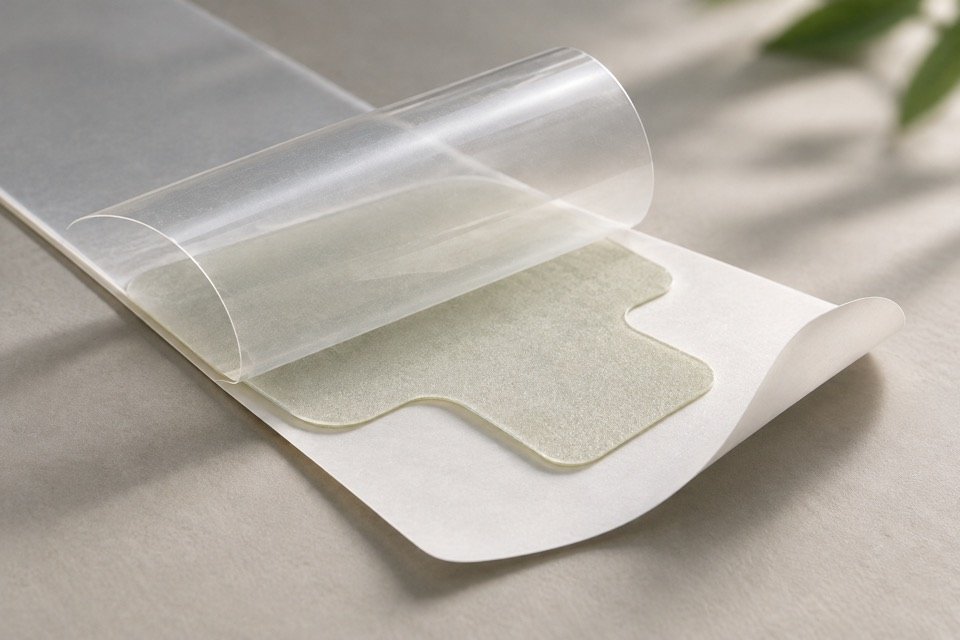
Adhesive Constructions
Working title. Article content and link will be added later.
Article 10 pending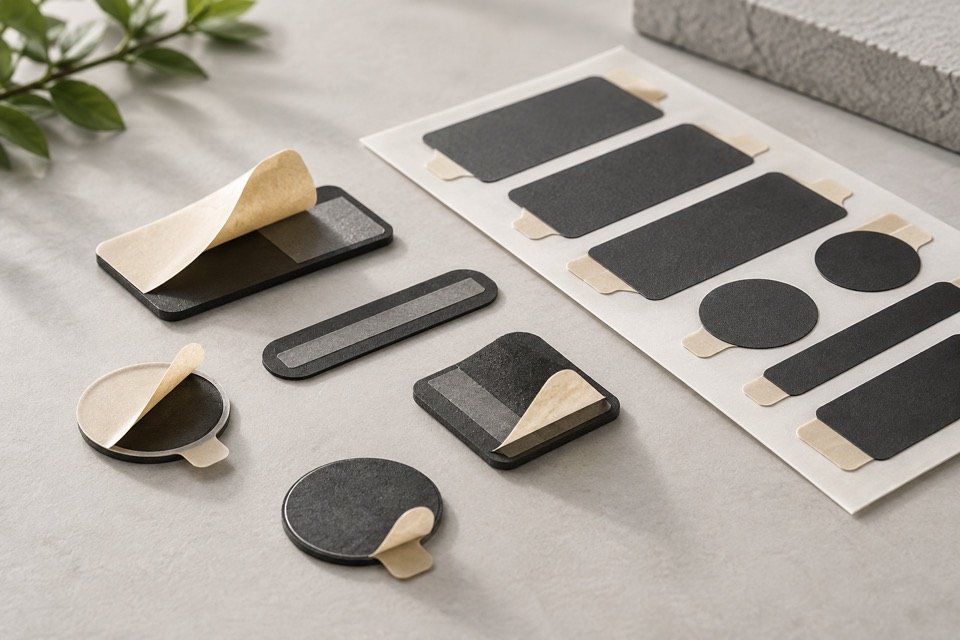
Adhesive Placement
Working title. Article content and link will be added later.
Article 11 pending
Inspection Planning
Working title. Article content and link will be added later.
Article 12 pending
Small Features & Cutouts
Working title. Article content and link will be added later.
Article 13 pending
Shielding Materials
Working title. Article content and link will be added later.
Article 14 pending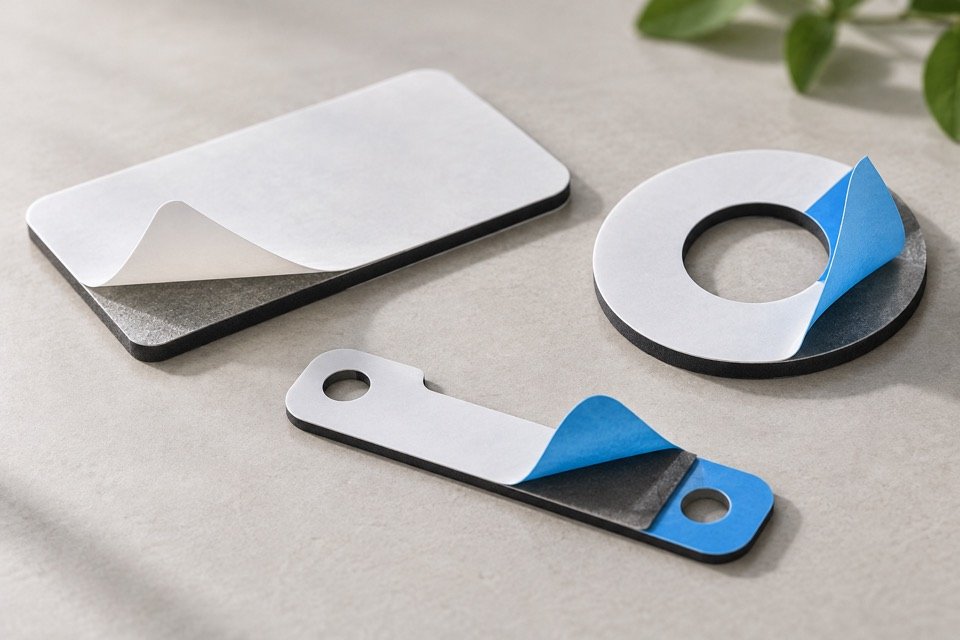
Release Liners
Working title. Article content and link will be added later.
Article 15 pending
DFM Review
Working title. Article content and link will be added later.
Article 16 pending
Part Handling
Working title. Article content and link will be added later.
Article 17 pending
Thermal Interface Materials
Working title. Article content and link will be added later.
Article 18 pendingQuestions about technical resources.
A starting point for engineering and procurement teams.
What technical topics does the TC Precision Components resource center cover?
The resource center organizes guides by precision die cutting, material selection, component design and manufacturing, and quality and DFM. Select a topic to browse the published guides; related product, material and capability pages provide further context.
How can engineers and purchasing teams use these technical resources differently?
Engineers can use the topics to identify component functions, material behavior, critical dimensions, layer construction and manufacturing constraints. Purchasing teams can use them to prepare supplier discussions about specifications, quantities, prototypes, inspection requirements and quotation details. Both groups should connect the general information to the specific assembly and project requirements.
Where should I start if I know the application but not the material or die-cutting process?
Begin by defining what the component must do, such as insulating, sealing, cushioning, bonding, shielding or managing heat. Then identify its operating environment, available space and assembly interfaces. Use the topic filters and the relevant Materials, Products and Capabilities pages to narrow the options. The manufacturing route should be reviewed after the material behavior, geometry and expected quantity are better understood.
How can I narrow material options for insulation, sealing, adhesive, shielding or thermal components?
Start with the required function and service conditions rather than the material name alone. Compare relevant material grades for thickness, flexibility, compression, bonding surfaces, temperature, environmental exposure and electrical or thermal requirements. The Materials Hub provides further detail on material families. Final suitability depends on the specified grade and application validation.
What design features should be reviewed before precision die cutting a flexible component?
Important features may include small holes, slots, internal cutouts, narrow material sections, critical edge distances and tight dimensional requirements. Material thickness, elasticity, adhesive behavior and liner construction can also influence cutting and handling. Review the geometry together with material selection before tooling. The Precision Die Cutting section provides a starting point for this assessment.
When should a die-cut component include lamination, adhesive backing or release liners?
These constructions may be useful when a component needs multiple material functions, attachment to a mounting surface or controlled handling during assembly. The design should define layer order, material interfaces, adhesive coverage, total thickness and liner-removal sequence. Lamination and cutting feasibility must be reviewed for the selected materials. The Lamination & Bonding page explains the relevant converting considerations.
Where can I learn how to define die-cutting tolerances and inspection requirements?
The Quality & Tolerance Control section explains how drawing requirements, critical dimensions, material behavior and inspection criteria relate to manufacturing review. Achievable tolerances vary with the selected material and component geometry. First-article, in-process and final inspection requirements should be defined for the specific project rather than assumed from a universal tolerance value.
What information should I prepare for an initial die-cut component DFM review?
Useful inputs include a drawing or reference sample, component function, material grade and thickness if known, dimensions, critical tolerances and operating conditions. For layered parts, include adhesive placement, layer order and liner needs. Estimated prototype and production quantities also help assess manufacturing options. Missing details can be identified during the initial project discussion.
Can general technical resources confirm the performance or compliance of a specific die-cut component?
No. General resources can explain design and material-selection principles, but they do not establish the performance or certification of an unspecified material grade or finished assembly. Electrical insulation, ingress protection, EMI shielding, thermal performance and other critical requirements need relevant specifications and application-specific verification. Supporting documentation should be reviewed for the actual project.
Can TC Precision Components review an existing drawing or custom component requirement?
Yes. You can submit a drawing, reference sample or description of the required component through Request a Quote. Include the intended function, material requirements, critical dimensions, assembly conditions and estimated quantities where available. The project can then be reviewed for missing specifications, material and converting feasibility, prototype needs or the appropriate quotation next step.
Have a Technical Question About a Custom Component?
Share your drawing details, material specification or functional requirements so the project can be reviewed in context.