APPLICATIONS / DIE CUTTING SOLUTIONS
Functional Die-Cut Solutions for Industrial Applications
TC Components provides custom insulation, sealing, adhesive, shielding and thermal components for electronic, electrical and industrial equipment.
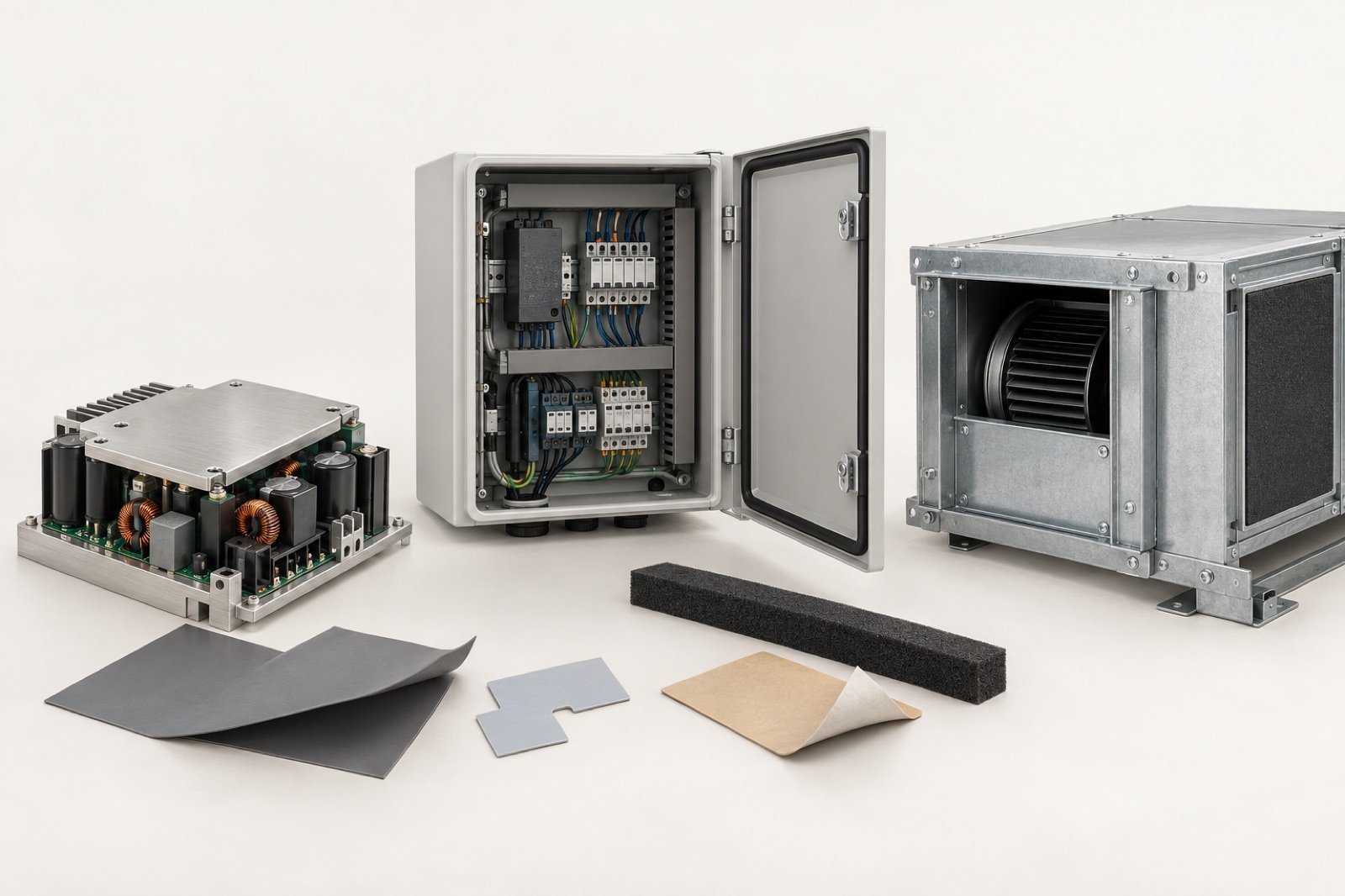
APPLICATION OVERVIEW
Components Designed Around the Application
Customers usually begin with an equipment requirement: insulation, sealing, cushioning, bonding, EMI shielding or thermal management.
We connect that function to a material and die-cut geometry that fit the assembly. The same functional need can appear in very different equipment.
SIX APPLICATION AREAS
Where functional components work.
Explore the equipment context, typical functional needs and component routes for each V1 application.
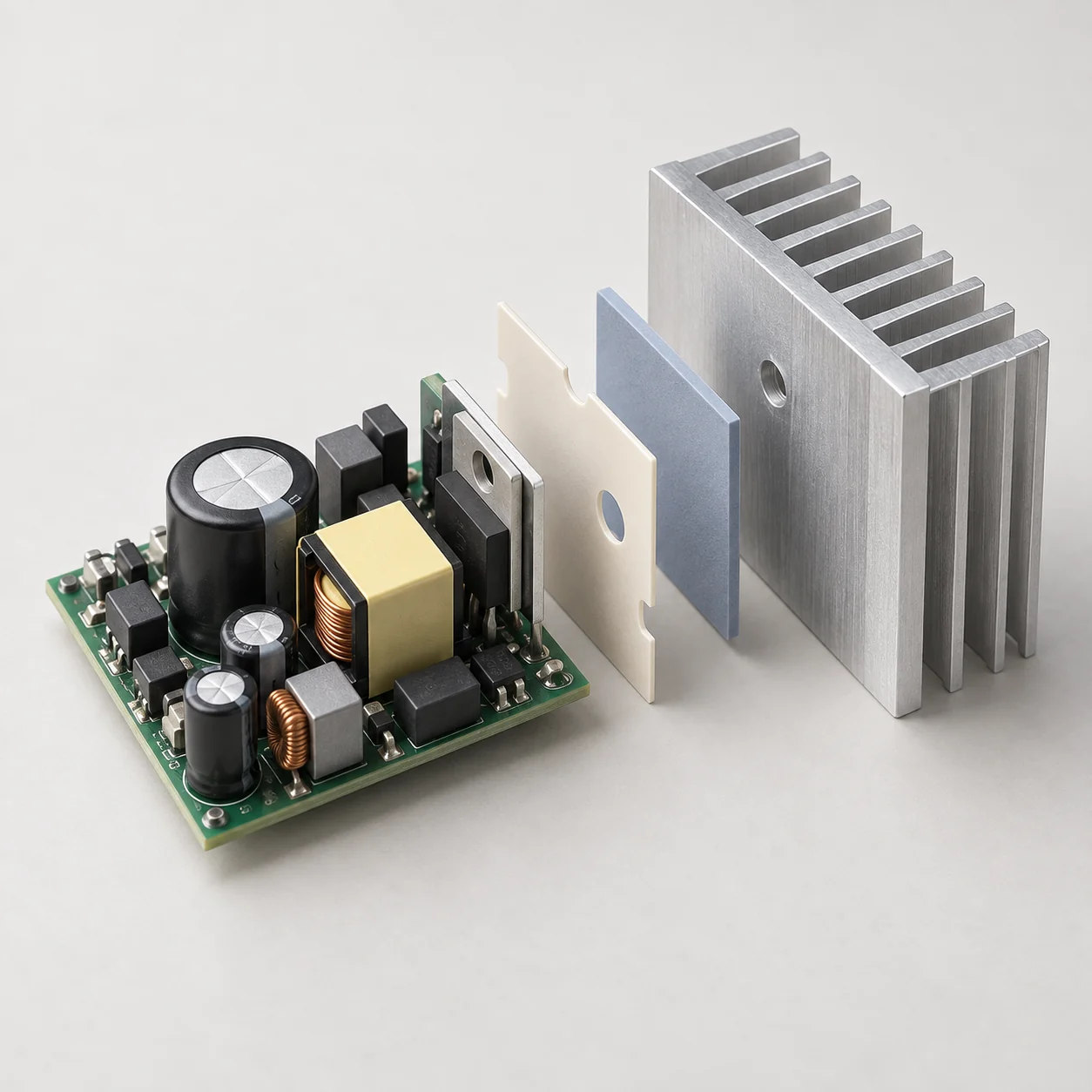
Power Electronics & Power Supplies
Insulation, thermal interfaces, adhesive and shielding parts for power conversion and supply assemblies.
- Insulation
- Thermal interface
- EMI shielding
- Bonding
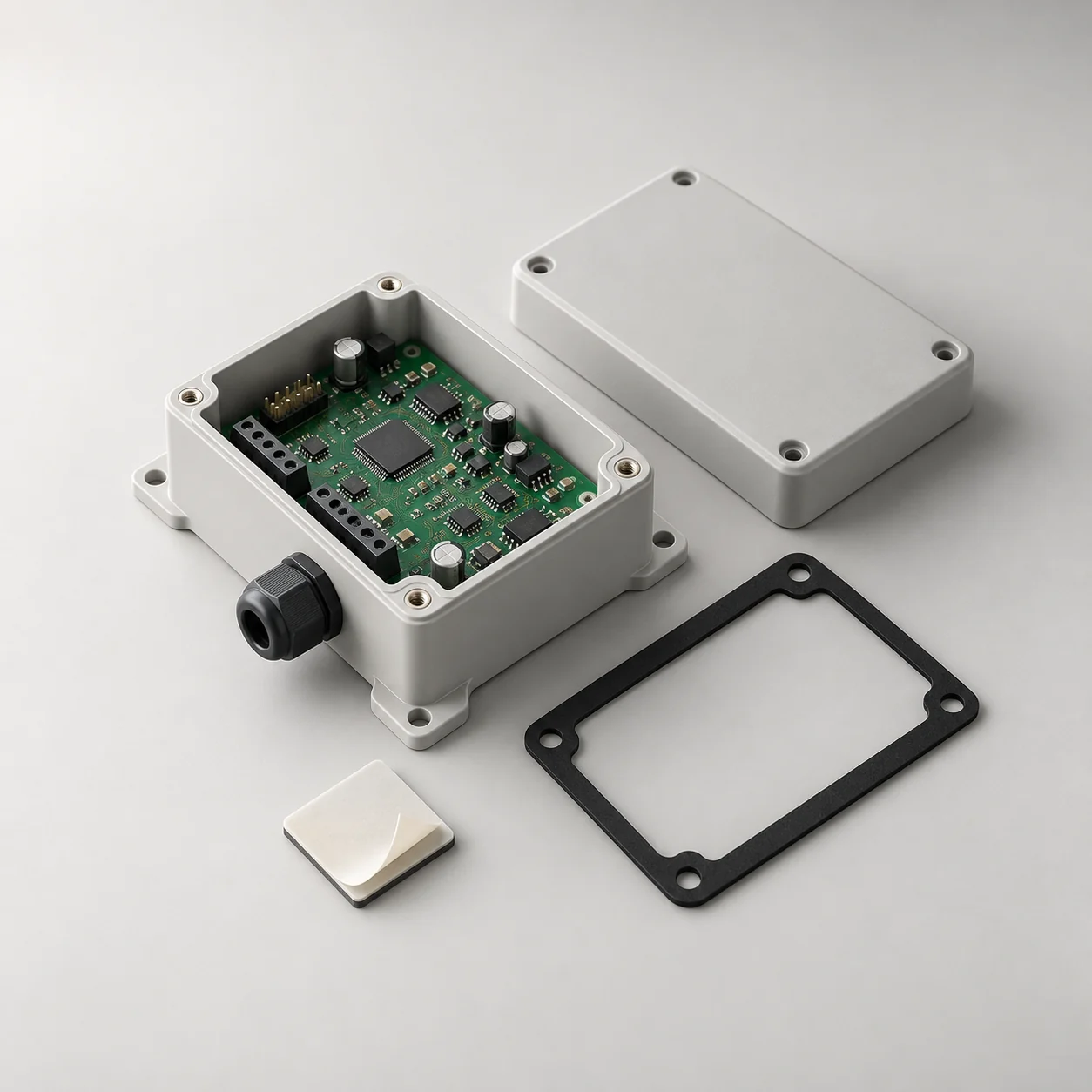
Industrial Automation & Control Systems
Insulation, seals, cushioning and adhesive parts for control electronics and enclosures.
- Insulation
- Sealing
- Adhesive mounting
- EMI shielding
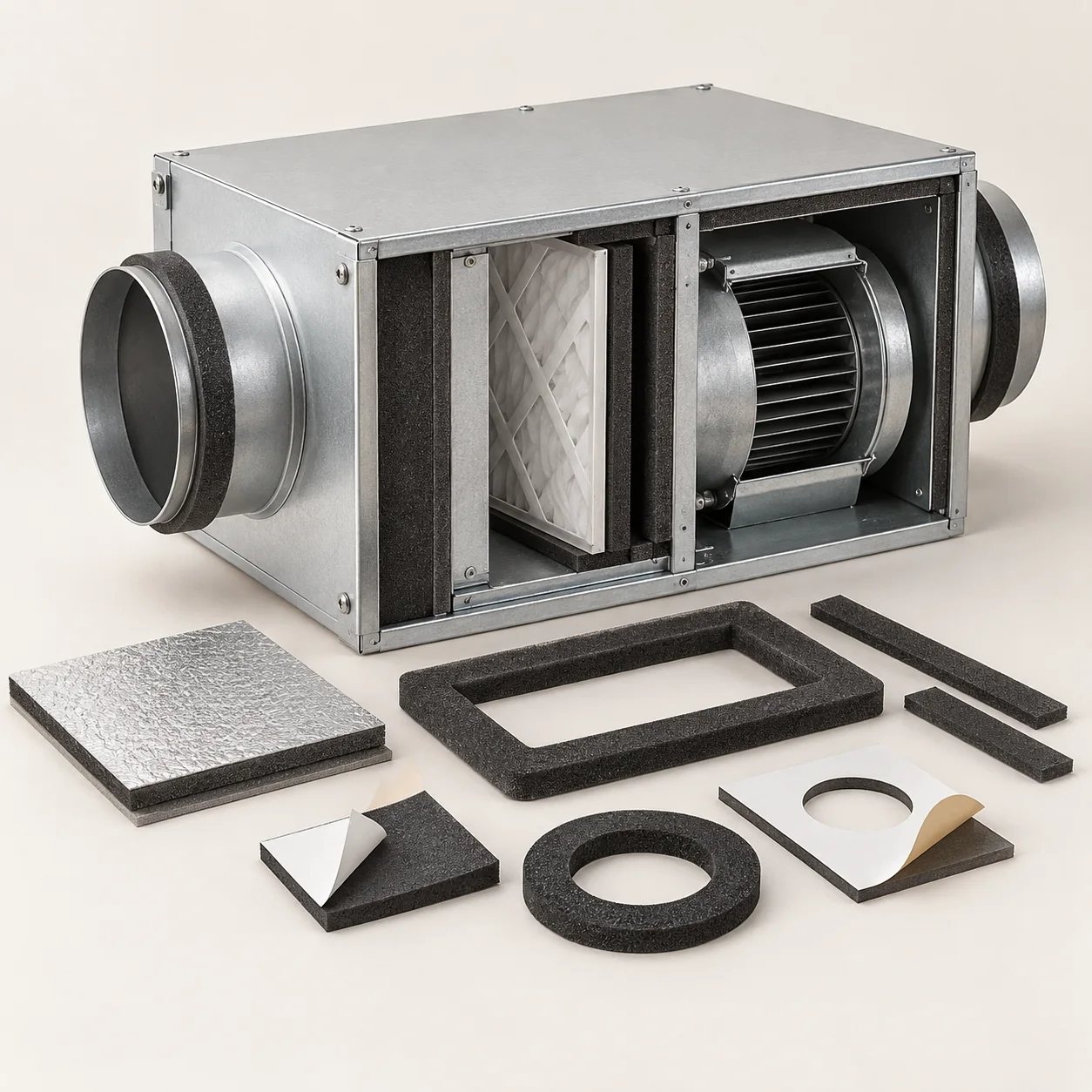
HVAC & Climate Control Equipment
Die-cut foam, rubber, insulation and adhesive pieces for climate-control equipment assemblies.
- Sealing
- Cushioning
- Insulation
- Bonding
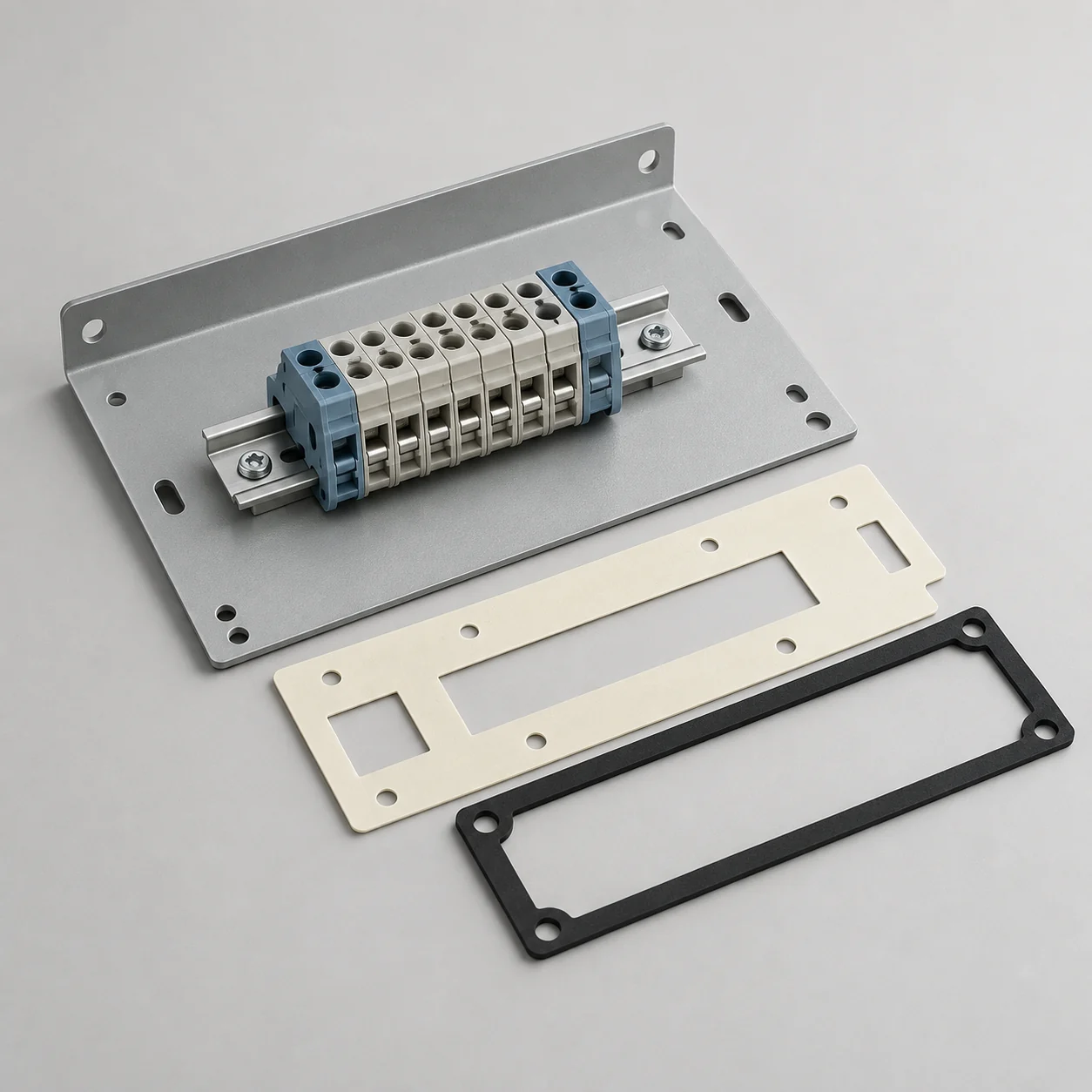
Electrical Distribution, Motors & Drives
Functional insulation, thermal and sealing parts for electrical distribution, motors and drives.
- Insulation
- Thermal interface
- Sealing
- Adhesive parts
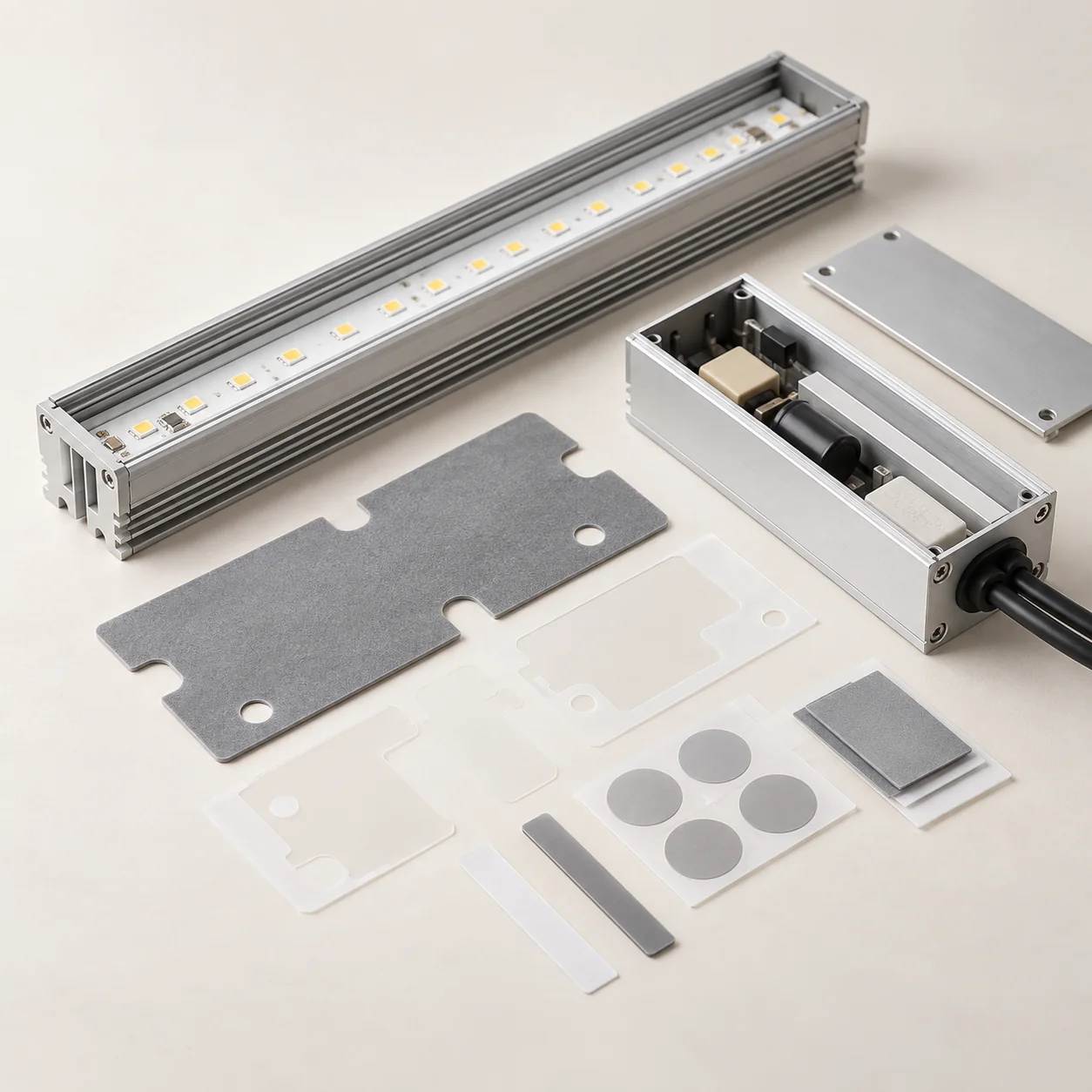
LED Lighting & Lighting Equipment
Thermal, insulation, adhesive and sealing components for LED drivers and lighting assemblies.
- Thermal management
- Insulation
- Bonding
- Sealing
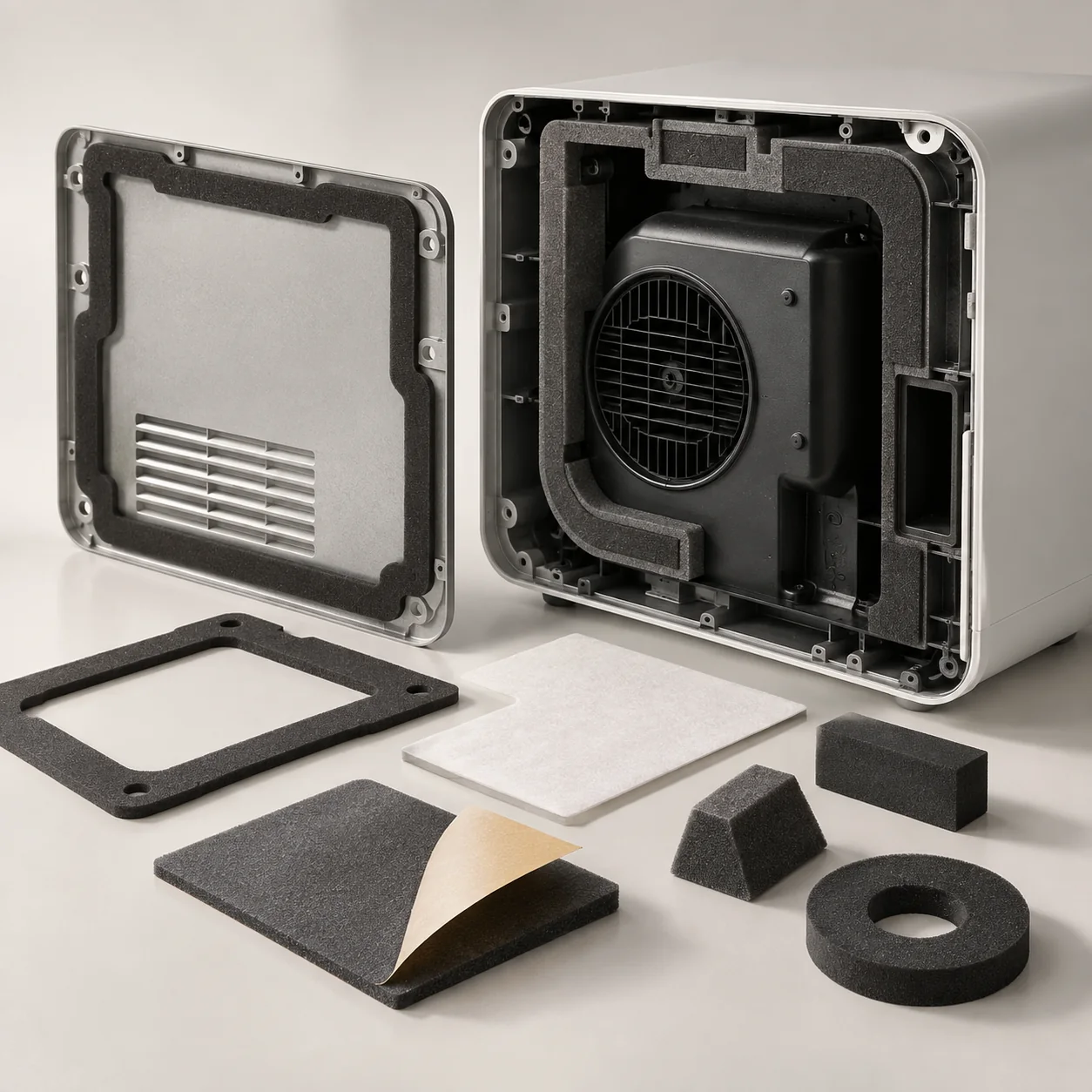
Home & Commercial Appliances
Foam, insulation, adhesive and cushioning parts for home and commercial appliance assemblies.
- Sealing
- Cushioning
- Bonding
- Insulation
FUNCTIONAL NEEDS
Different equipment. Shared functional needs.
Die cutting solutions are shaped by what the part must do inside an assembly.
Power electronicsInsulation · Thermal · EMI
HVAC equipmentSealing · Cushioning · Adhesive
LED lightingThermal · Insulation · Adhesive
FROM REQUIREMENT TO PART
From Application Requirement to Custom Component
Equipment context leads to a functional requirement, then to the selected material, converting route and finished geometry.
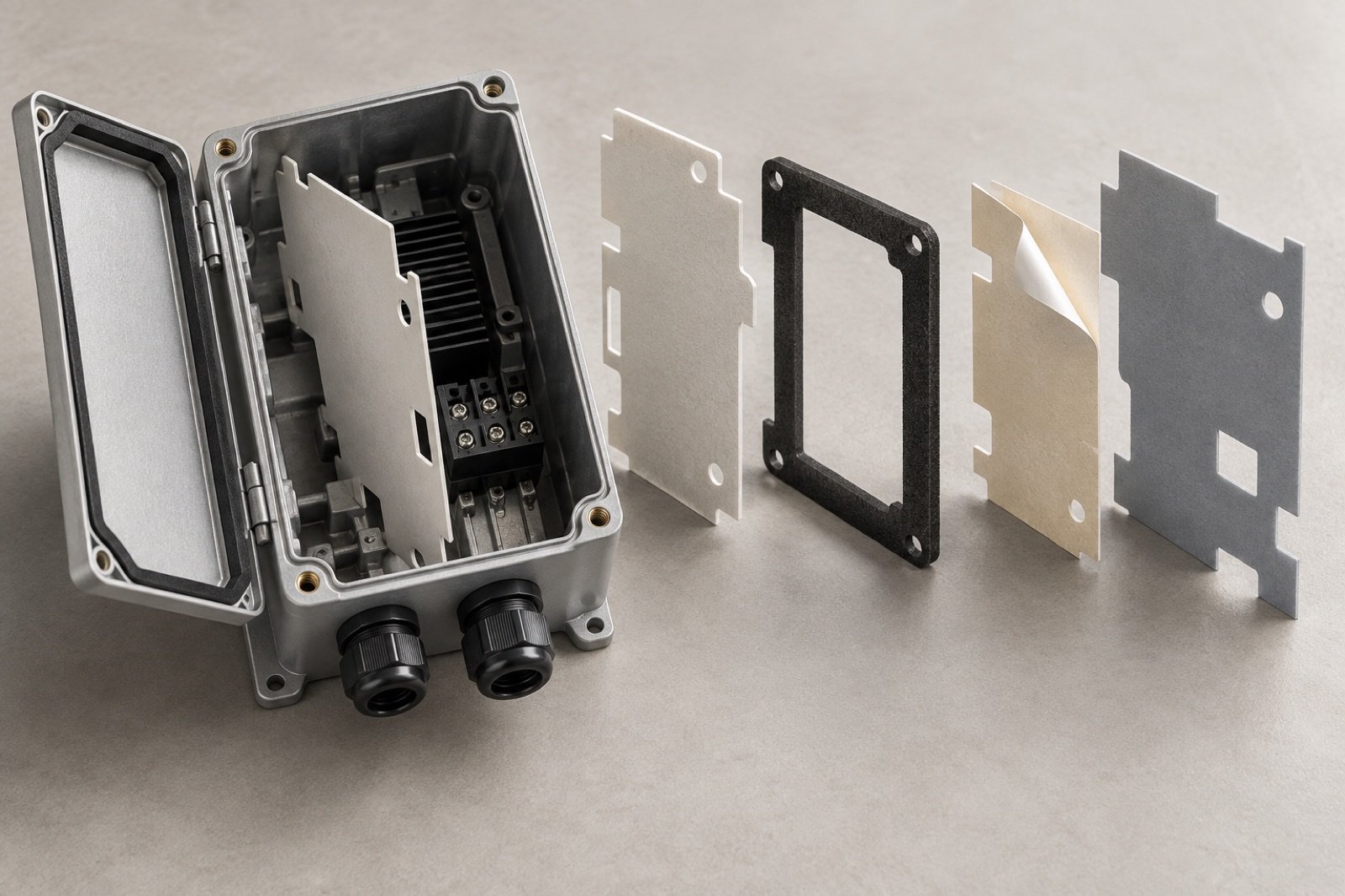
- 01Application
- 02Functional requirement
- 03Material selection
- 04Die cutting / lamination
- 05Finished component
LED lightingThermal interface → selected thermal sheet → die-cut component
HVAC equipmentSealing need → foam or rubber sheet → custom gasket
RELATED PRODUCTS
The application defines where. The product defines what.
Explore the finished component families that can answer different functional needs.
FAQ
Application questions, answered.
Practical starting points for engineering and purchasing teams.
What industries use custom die-cut components?
Our current application areas cover power electronics, industrial automation, HVAC, electrical distribution and drives, LED lighting, and home or commercial appliances. Parts are specified for the equipment and assembly.
What functional components are commonly used in power electronics?
Depending on the assembly, a project may call for electrical insulation, thermal interfaces, adhesive layers, EMI shielding or cushioning components.
Can die-cut components be used for industrial control equipment?
Yes. Control electronics and enclosures may require insulation, sealing, cushioning, adhesive mounting or shielding parts. The drawing and environment guide the construction.
What sealing and cushioning components are used in HVAC equipment?
Foam or rubber sheet materials may be converted into custom gaskets, pads and spacers for specified sealing, cushioning or assembly needs.
Can thermal and insulation materials be die cut for LED lighting?
Sheet-form thermal interface and electrical insulation materials can be evaluated for custom cut geometry in lighting and driver assemblies. Material choice depends on the design requirements.
Can you manufacture components from customer drawings?
A drawing or sample is the starting point for reviewing geometry, material, function and assembly fit before a custom component route is agreed.
How do you select materials for different applications?
We begin with the required function, equipment environment, contact surfaces and part geometry, then review available material options and converting feasibility for the project.
What information should I provide for an application-specific quotation?
Share the equipment application, drawing or sample, functional requirements, material specification if available, dimensions and estimated quantity.
START A PROJECT
Have an Application That Requires a Custom Functional Component?
Send us your drawing, equipment application, functional requirements, material specification if available and estimated quantity for review.
Request a Quote