DIE-CUT COMPONENTS
PET Film Die-Cut Parts
Thin PET film profiles for insulation, spacing and assembly features defined by a drawing.
PRODUCT OVERVIEW
A defined film shape in a tight assembly
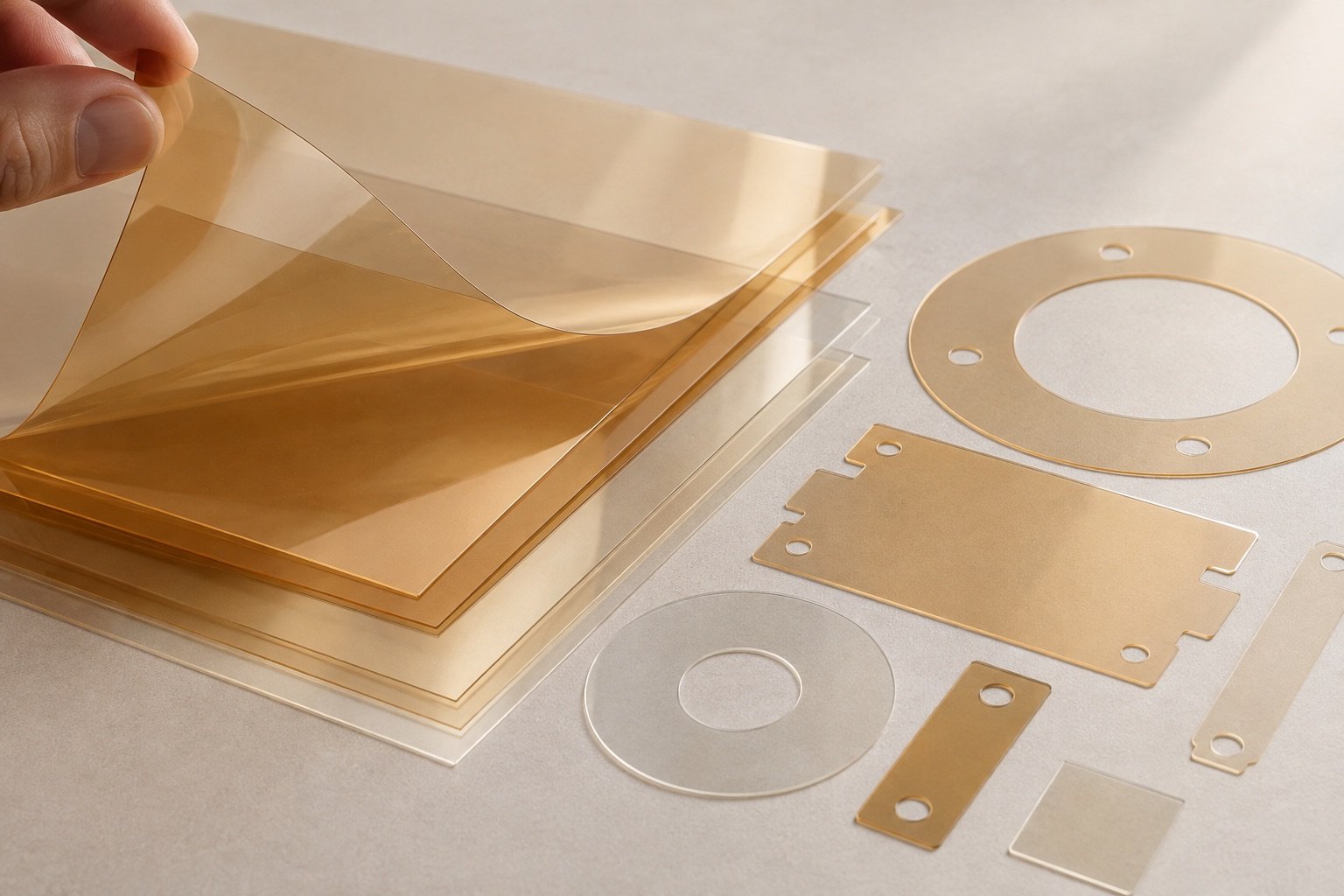
PET film die-cut parts turn a specified sheet into barriers, pads, frames or spacers that fit a local area of an electrical or electronic assembly. The drawing establishes the perimeter and openings; the project specification establishes the film and thickness. These parts may support insulation or separation, but any electrical performance has to be confirmed for the selected material and actual conditions.
COMPONENT FORMS
Typical Forms for PET Film Die-Cut Parts
Thin-film geometry can be as important as the selected sheet.
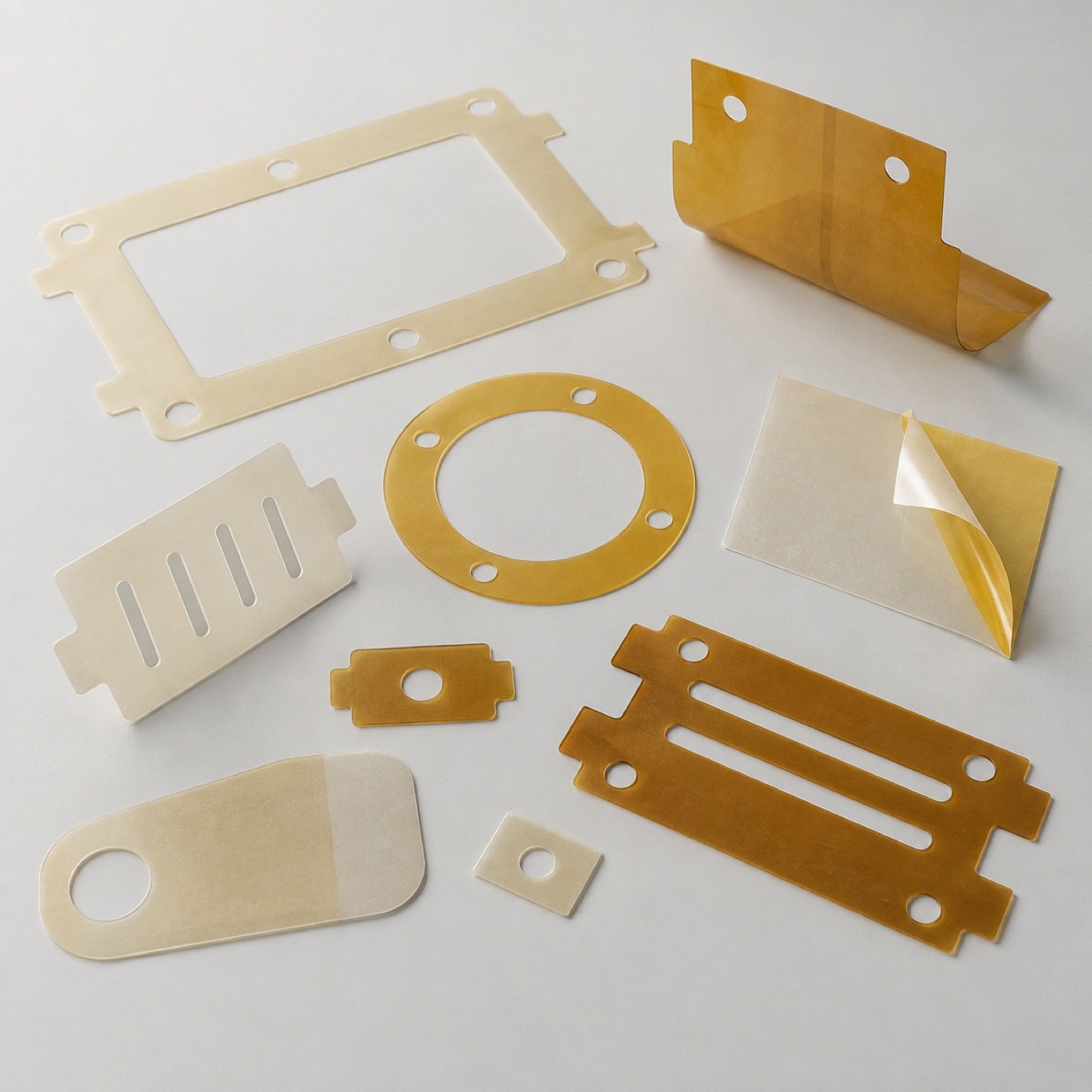
PET insulation barriers
Film profiles between specified interfaces.
PET film pads
Local sheet pieces for coverage.
PET spacers
Cut shapes for defined separation.
PET frames
Open-center profiles with precise edges.
Adhesive-backed PET
Film with an attachment layer when specified.
Custom film shapes
Tabs and cutouts following the assembly drawing.
MATERIAL OPTIONS
Confirm the PET film specification
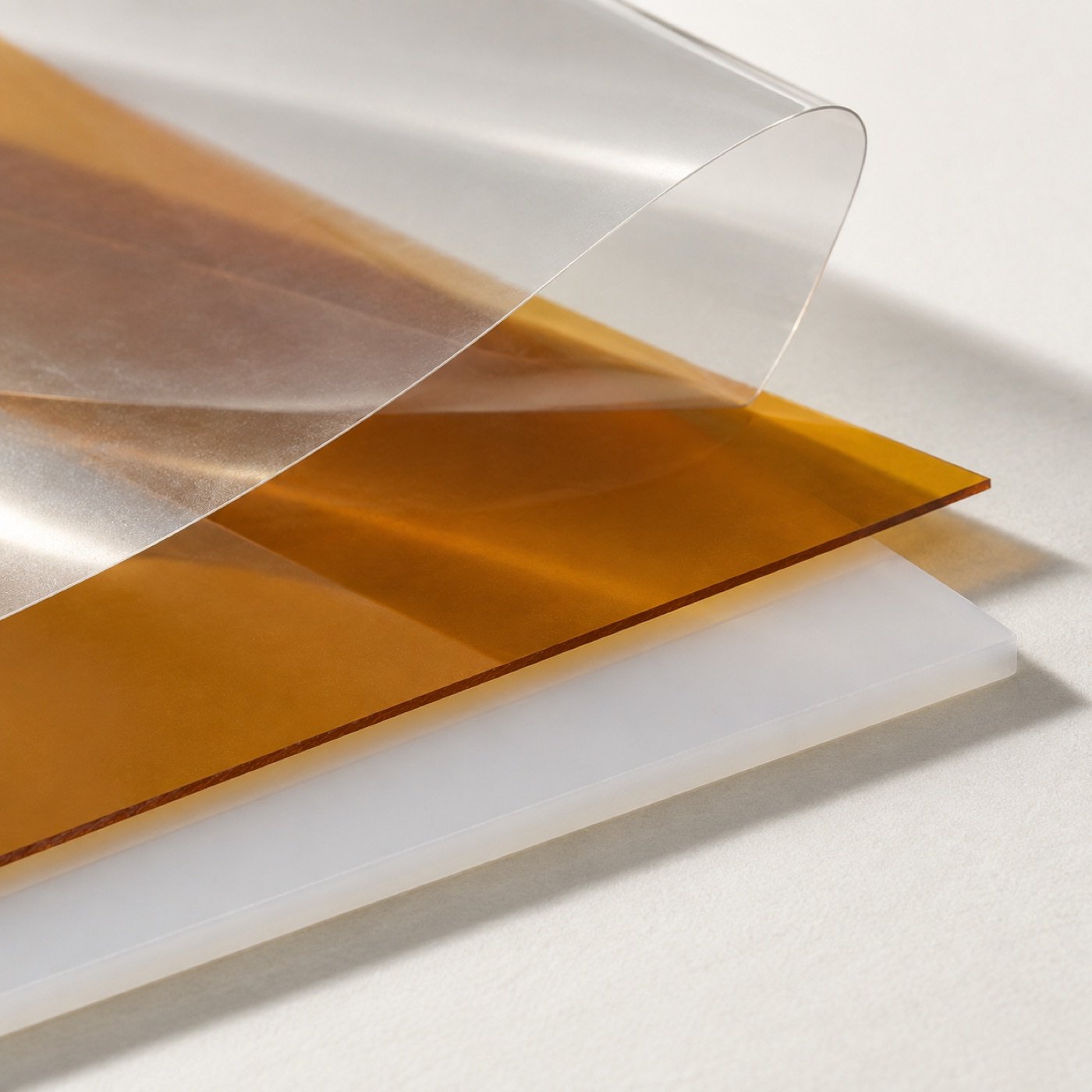
PET film is a material family, not a single performance grade. Sheet thickness, surface finish, electrical requirement, exposure and optional adhesive construction should be supplied or reviewed for the particular application. Material data must come from the selected film specification.
- Project-specified PET film
- Optional adhesive layer
- Optional release liner
ENGINEERING CONSIDERATIONS
Design factors for PET Film Die-Cut Parts
Small cut features should be evaluated in the context of assembly handling.
Film thickness
Set the required sheet and fit within the stack.
Edges & cutouts
Locate holes, tabs and critical margins on the drawing.
Electrical interface
Describe what surfaces require separation or coverage.
MANUFACTURING CAPABILITIES
Manufacturing path for PET Film Die-Cut Parts
Profile cutting and optional lamination are defined from the film stack.
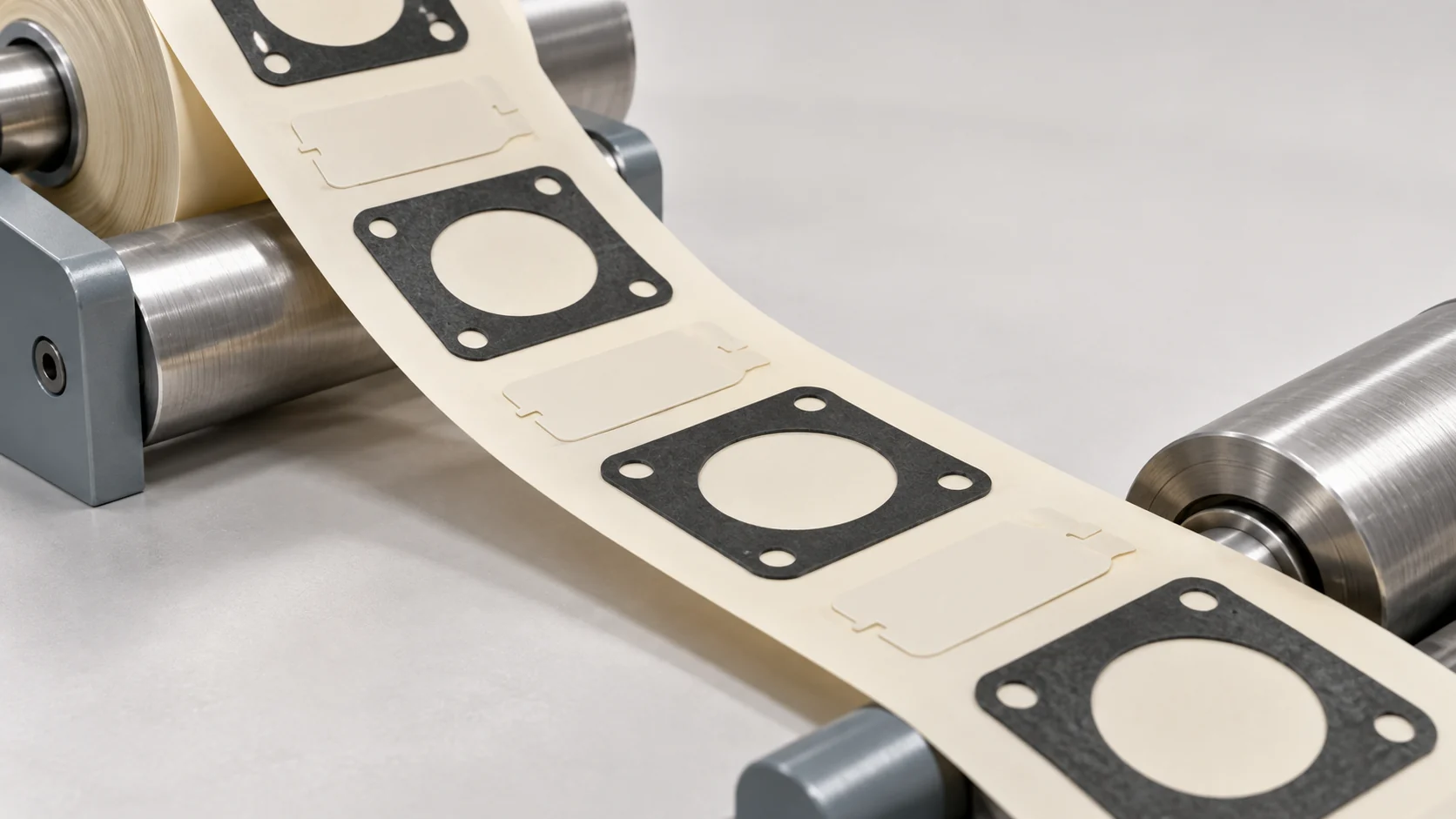
Precision Die Cutting
Profile, openings and critical cut features are reviewed against the material and drawing.
Lamination & Bonding
Adhesive or other specified layers are evaluated as part of the construction.
Quality & Tolerance Control
Material, dimensions and visible construction are checked to agreed project criteria.
APPLICATIONS
Equipment contexts for PET Film Die-Cut Parts
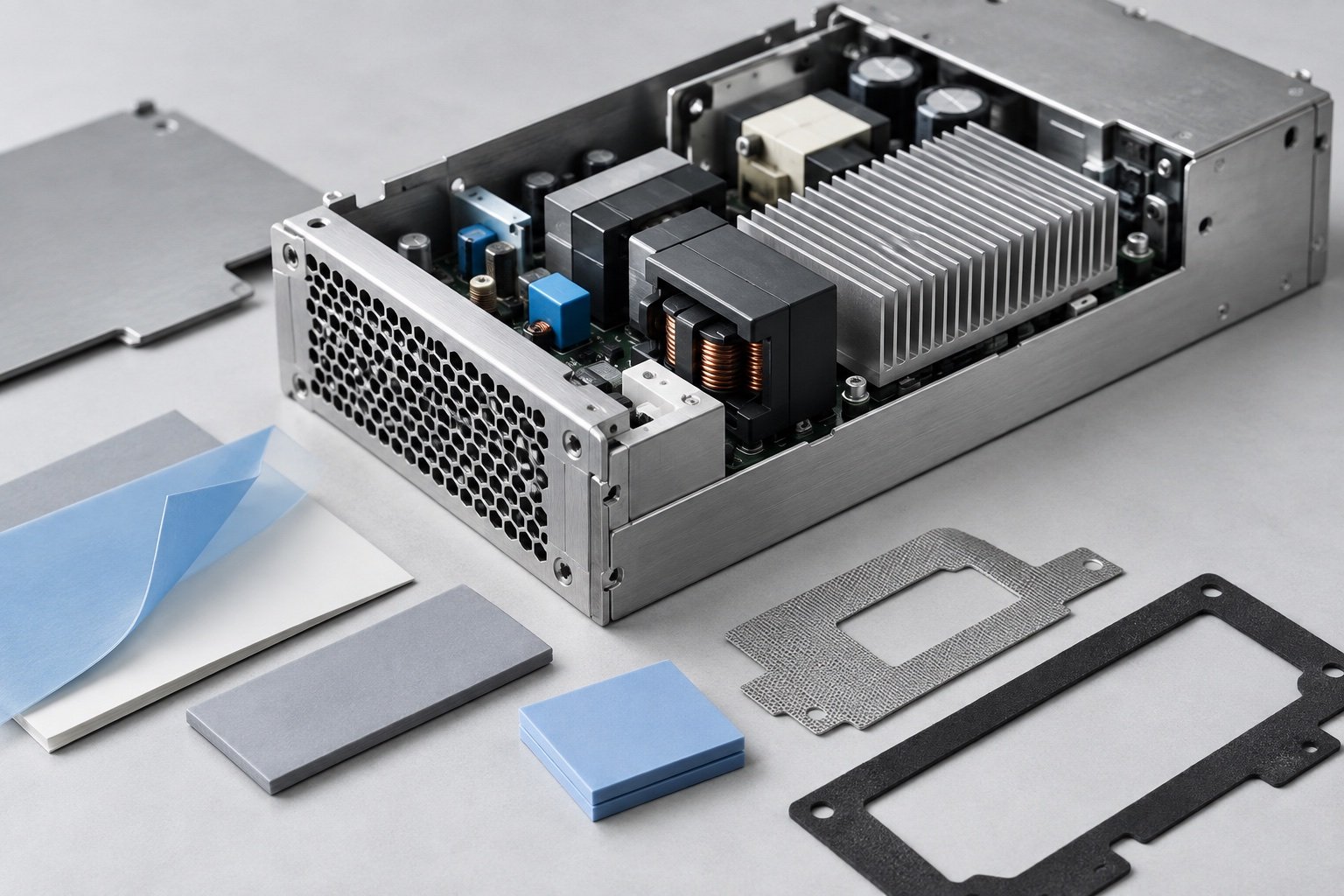
PET film profiles may serve selected power and electrical equipment assemblies.
QUALITY / VERIFICATION
Verify film, profile and fit
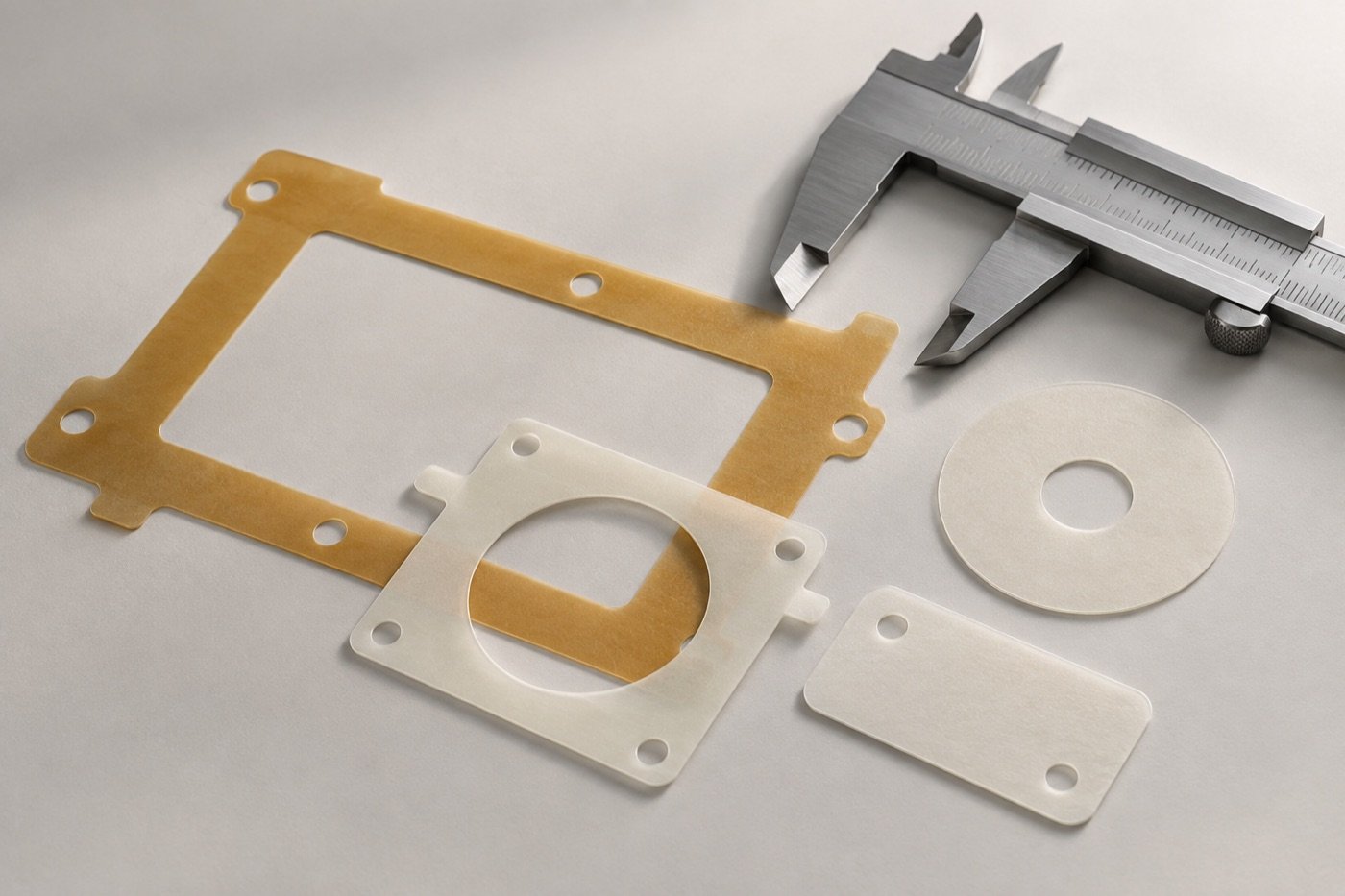
Confirm the PET film specification and compare the cut outline, openings and critical dimensions with the drawing. Visual inspection can check obvious edge or surface issues. No electrical rating is implied without material evidence and agreed application criteria.
- PET material confirmation
- Critical cut-feature review
- Dimensional and visual inspection
FAQ
PET Film Die-Cut Parts FAQs
Answers about construction, drawings and project requirements.
Are all PET films electrically equivalent?
No. PET is a material family; the selected film and its documented properties must match the application's electrical and environmental requirements.
Can holes and tabs be included?
The die-cut profile can be reviewed with holes, windows or tabs when the drawing shows their position and size.
Can adhesive be added to PET film parts?
An adhesive-backed construction can be considered if the substrate, positioning and liner needs are specified.
What is the difference between this page and insulation materials?
This page concerns a finished PET film part and its geometry. The material page compares insulation material choices.
Can I send an existing part for review?
A sample can inform the shape; the film specification, critical dimensions and intended use still need confirmation.
What should I provide for quotation?
Send the drawing, PET film specification if known, thickness, critical cutouts, electrical use context, backing needs and quantity.
START A PROJECT
Have a PET Film Die-Cut Parts Project?
Send us your drawing, material specification if available, dimensions, quantity and application requirements for review.
Request a Quote