PRODUCTS
EMI Shielding & Magnetic Shielding Components
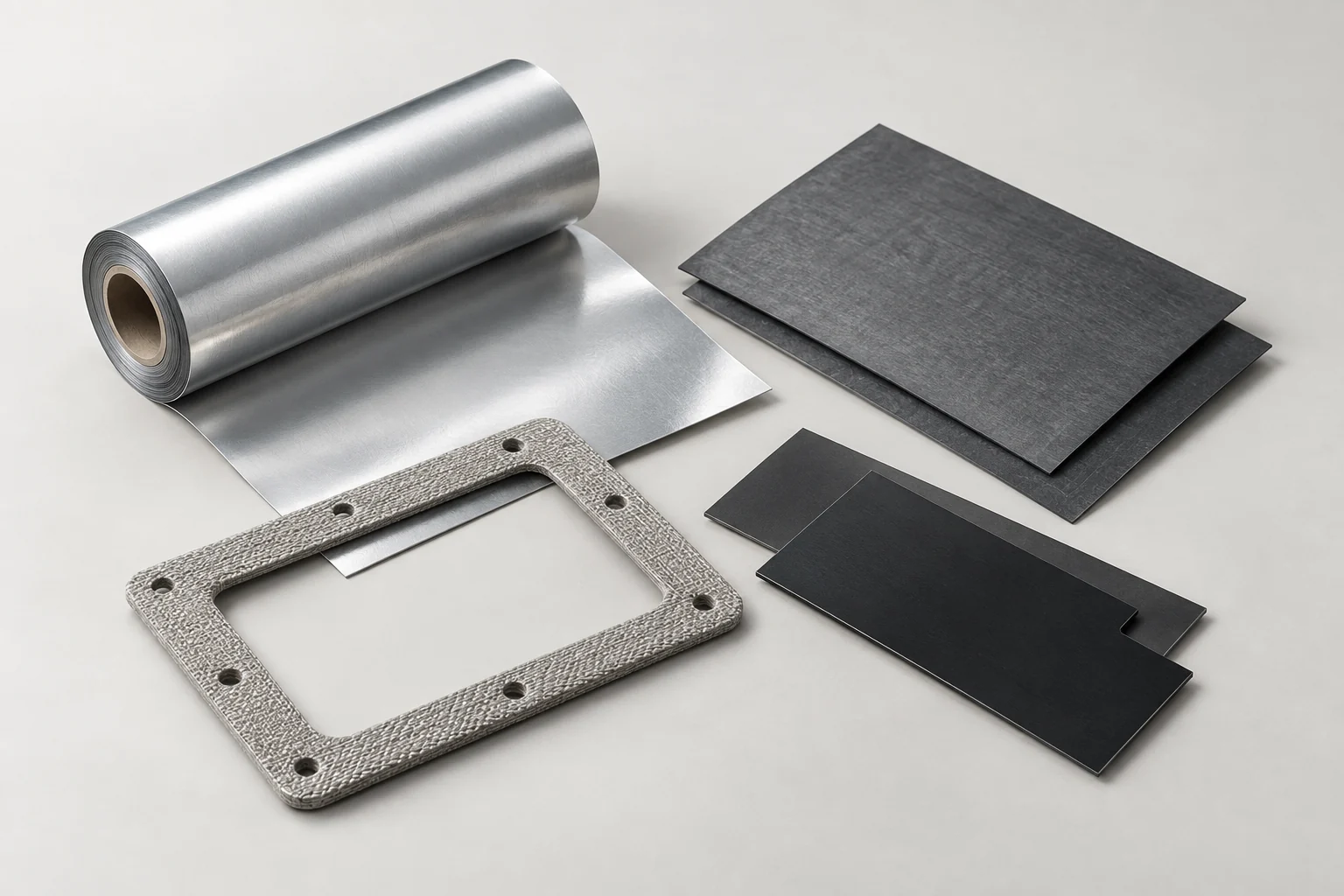
TC Components develops custom EMI shielding gaskets and die-cut conductive parts for designed contact, grounding and interference-control interfaces in electronic and industrial assemblies.
PRODUCT OVERVIEW
Shielding Components Shaped for the Interface
An EMI shielding gasket must fit the contact area and work with a selected conductive material. Die cut EMI shielding parts can include foam, fabric or foil constructions. Magnetic shielding requests require separate material and application review rather than an assumed performance claim.
COMPONENT FORMS
Typical Component Forms
The chosen form follows the enclosure, contact surface and material construction.
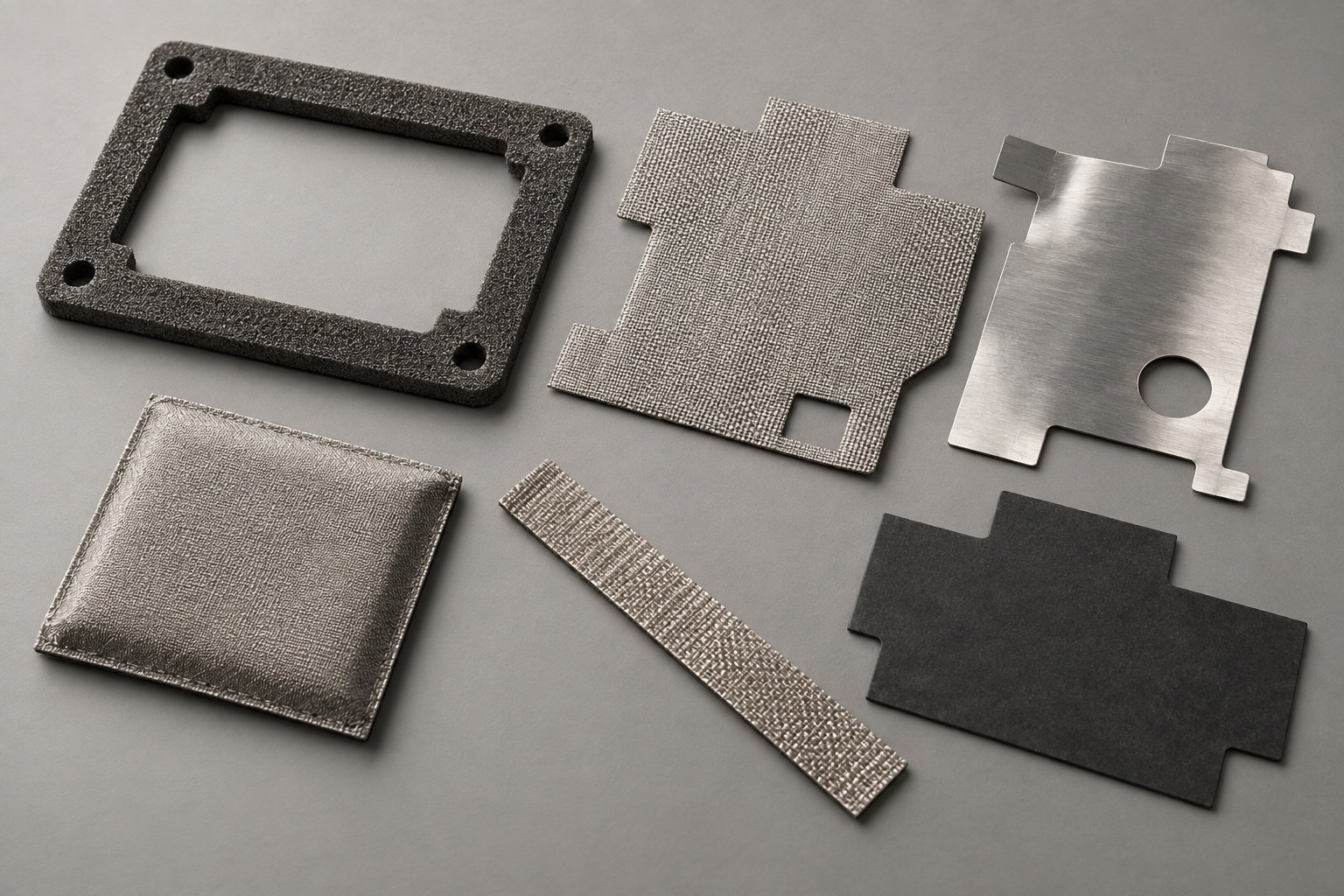
EMI Shielding Gaskets
Profiles for designed enclosure and contact areas.
Conductive Foam Gaskets
Compliant conductive profiles for specified interfaces.
Conductive Fabric Components
Cut fabric-backed shapes for contact or coverage.
Conductive Foil Components
Thin metallic profiles and shaped foil pieces.
Shielding Pads & Frames
Local pads and open profiles around features.
Layered Shielding Profiles
Combined layers where the assembly calls for them.
MATERIALS
Conductive & Shielding Materials
Conductive foam, conductive fabric, shielding tape and metal foil are material families to consider for EMI shielding die cutting. Magnetic or absorbing material requests require separate review of supply, suitability and assembly conditions.
Explore Conductive & Shielding Materials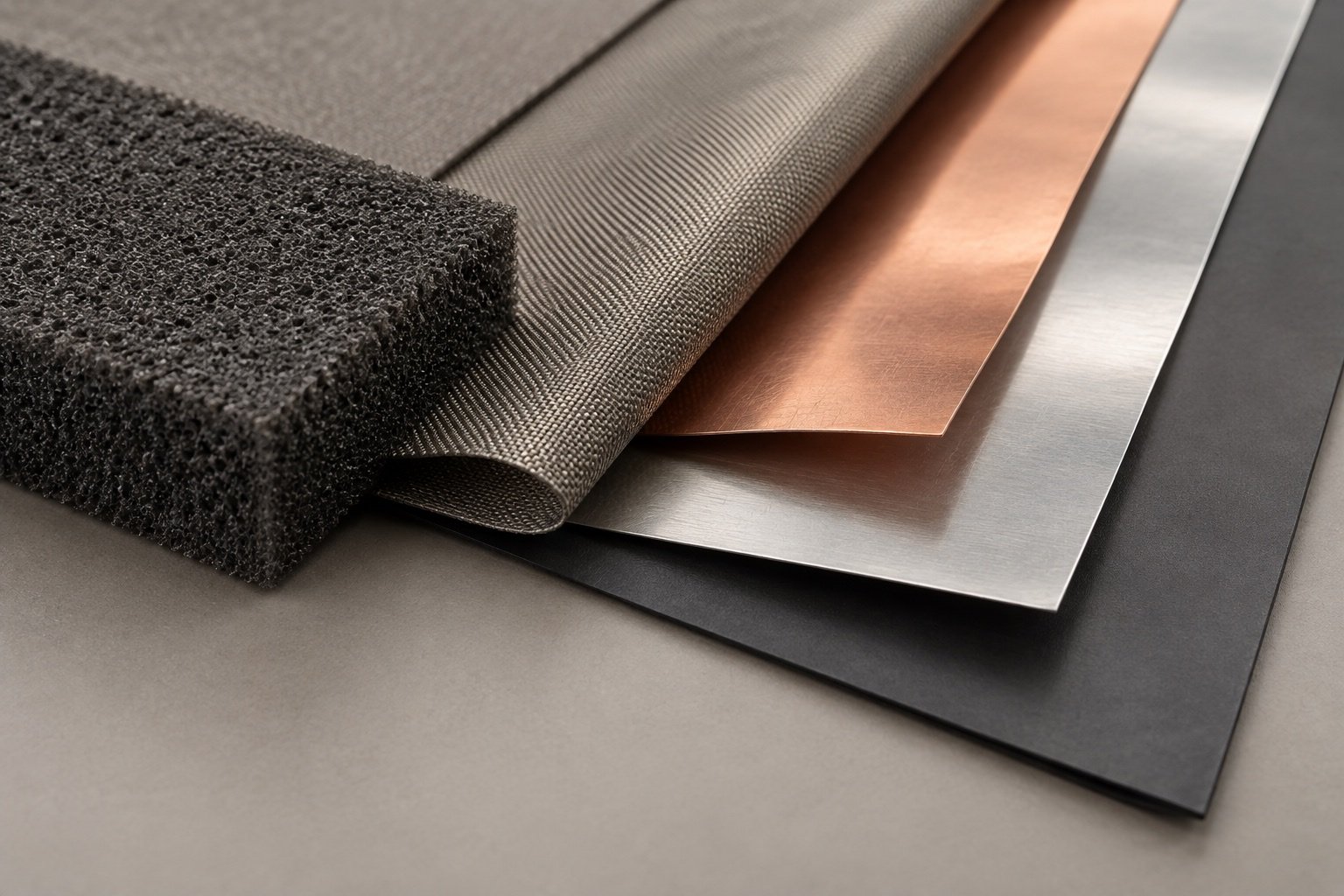
ENGINEERING FIRST
Engineering Considerations
The shielding path depends on material, contact and geometry—not only the cut outline.
Shielding Function
Interference-control objective and contact location.
Material & Contact
Conductivity, compression and grounding interface.
Geometry & Assembly
Thickness, adhesive backing, shape and contact area.
APPLICATIONS
Where These Components Are Used
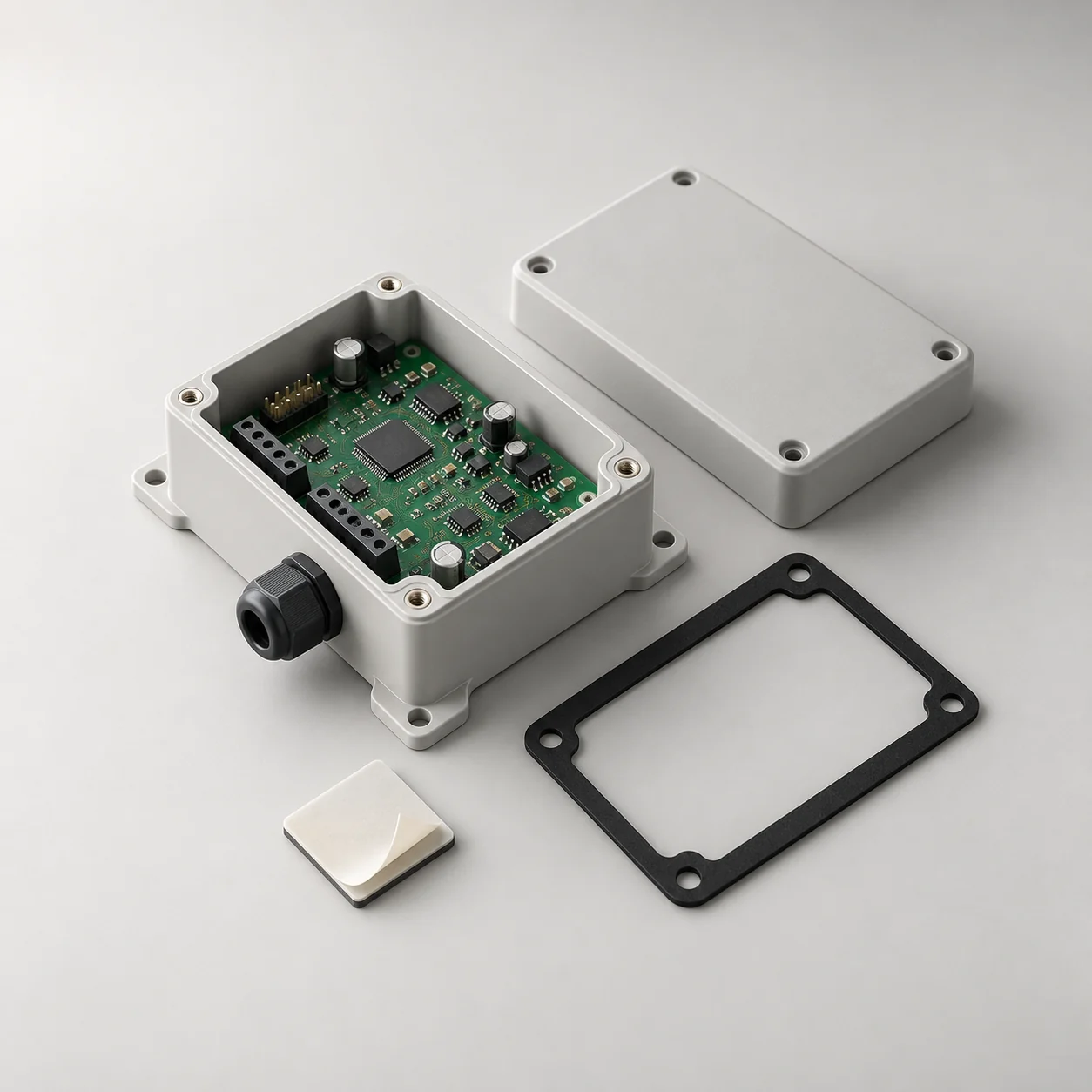
Shielding components are considered around electronic housings, power equipment and control assemblies where the interface design calls for interference management.
RELATED CAPABILITIES
How We Manufacture Them
Material conversion, any laminated backing and the agreed verification route follow the shielding interface.
Precision Die Cutting
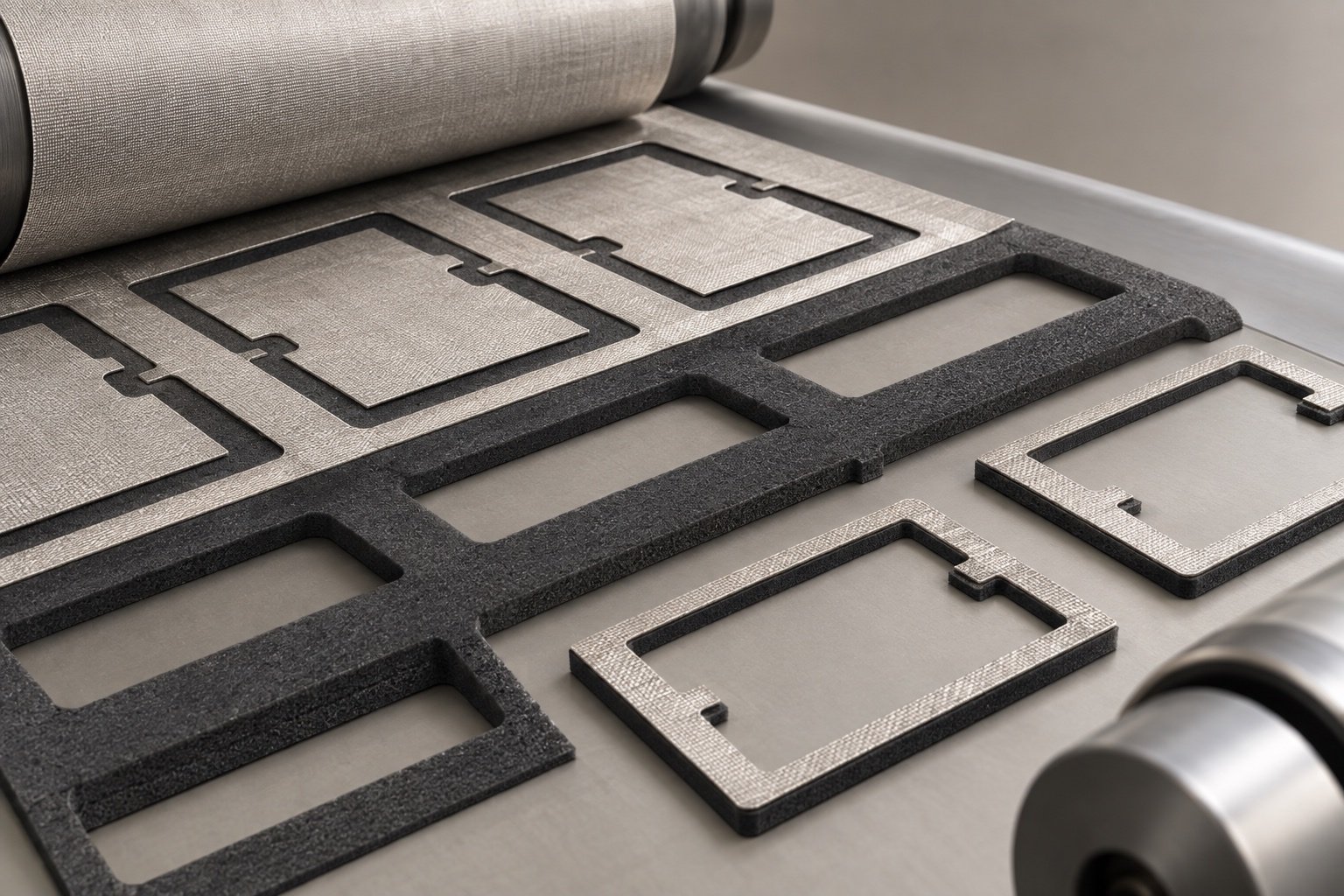
Profiles and contact-area features cut to the approved construction.
Lamination & Bonding
Adhesive or multi-layer backing where needed for placement.
Quality & Tolerance Control
Drawing-based review of profile, material and contact features.
QUALITY / VERIFICATION
Review the Contact Geometry
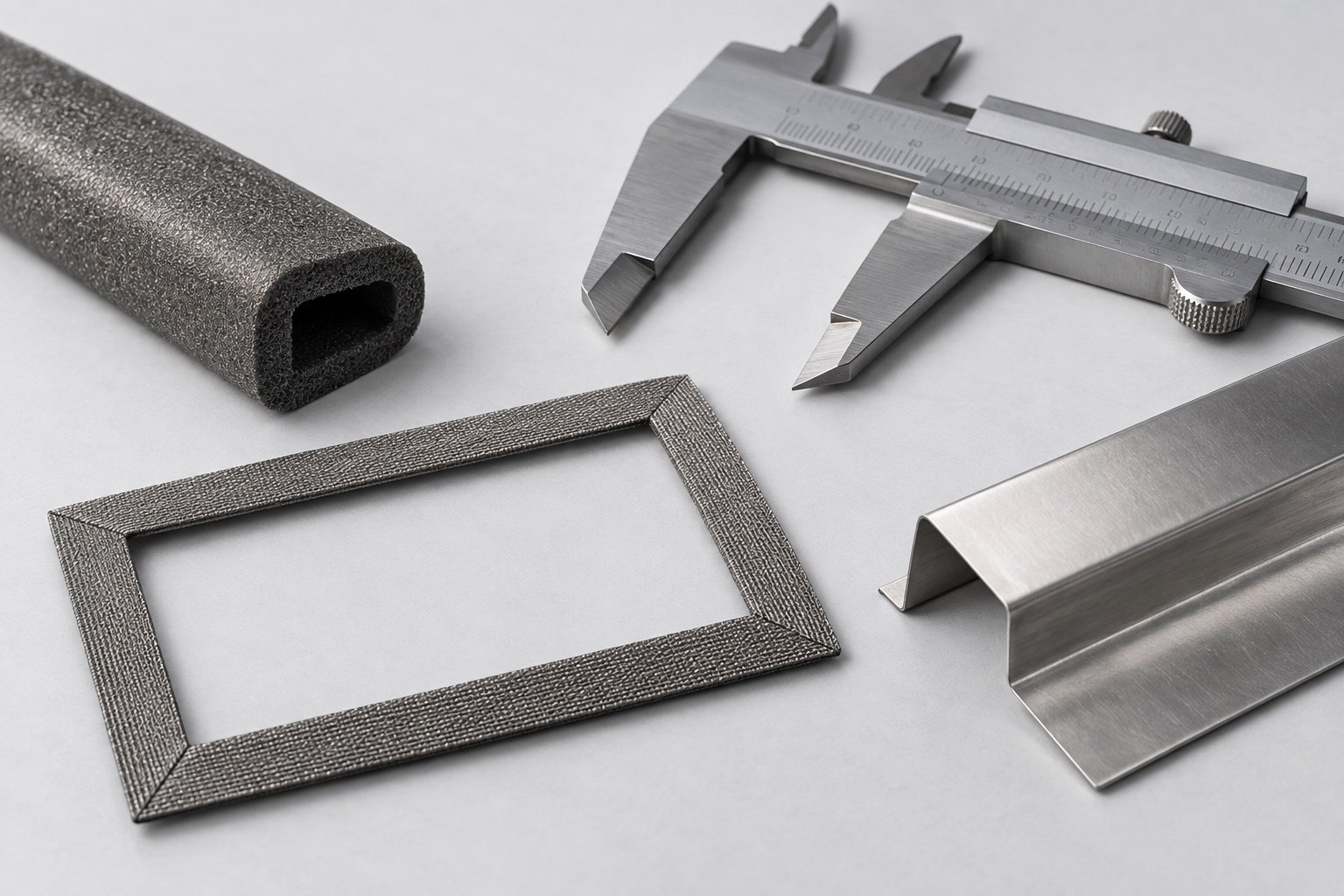
Verification is defined around the drawing, material and intended interface. Visual and dimensional checks follow the agreed profile; shielding performance is assessed only when a test method is part of the project.
- Drawing review
- Material confirmation
- Contact-area review
- Dimensional inspection
- Visual inspection
FAQ
EMI Shielding Component FAQs
Questions about conductive materials, contact design and project review.
What forms can EMI shielding gaskets take?
An EMI shielding gasket may be a frame, pad, strip or other cut profile. The shape and material follow the enclosure, conductive contact and assembly drawing.
Can you convert conductive foam gaskets?
Conductive foam gasket constructions can be reviewed where the material and contact design are specified. Compression and fit requirements should be part of the brief.
Which shielding materials can be considered?
Conductive foam, fabric, foil and shielding tape are relevant material families. Specific grades, availability and performance must be confirmed for each project.
Can a shielding component have adhesive backing?
Adhesive backing can be considered for placement when it does not conflict with the intended conductive contact or grounding pathway.
What should a drawing show for an EMI gasket?
Include the cut profile, thickness, contact or grounding area, compression interface, any backing and the intended material or functional requirement.
Do you offer magnetic or absorbing materials?
Magnetic-control and absorbing-material requests are reviewed case by case against the selected material, supply and assembly requirements.
RELATED COMPONENTS
Related Components
START A PROJECT
Have an EMI Shielding Component Project?
Send us the drawing, intended shielding or contact function, material requirements, assembly details and estimated quantity for review.
Request a Quote