Custom Components Across Home & Commercial Appliance Assemblies

Custom die-cut foam gaskets, insulation films, pads and adhesive-backed parts for defined appliance interfaces.

Appliance assembly line with workers and washing machine housings

Electrical insulation

Die-cut film barriers for defined control and power-assembly interfaces.

Foam sealing

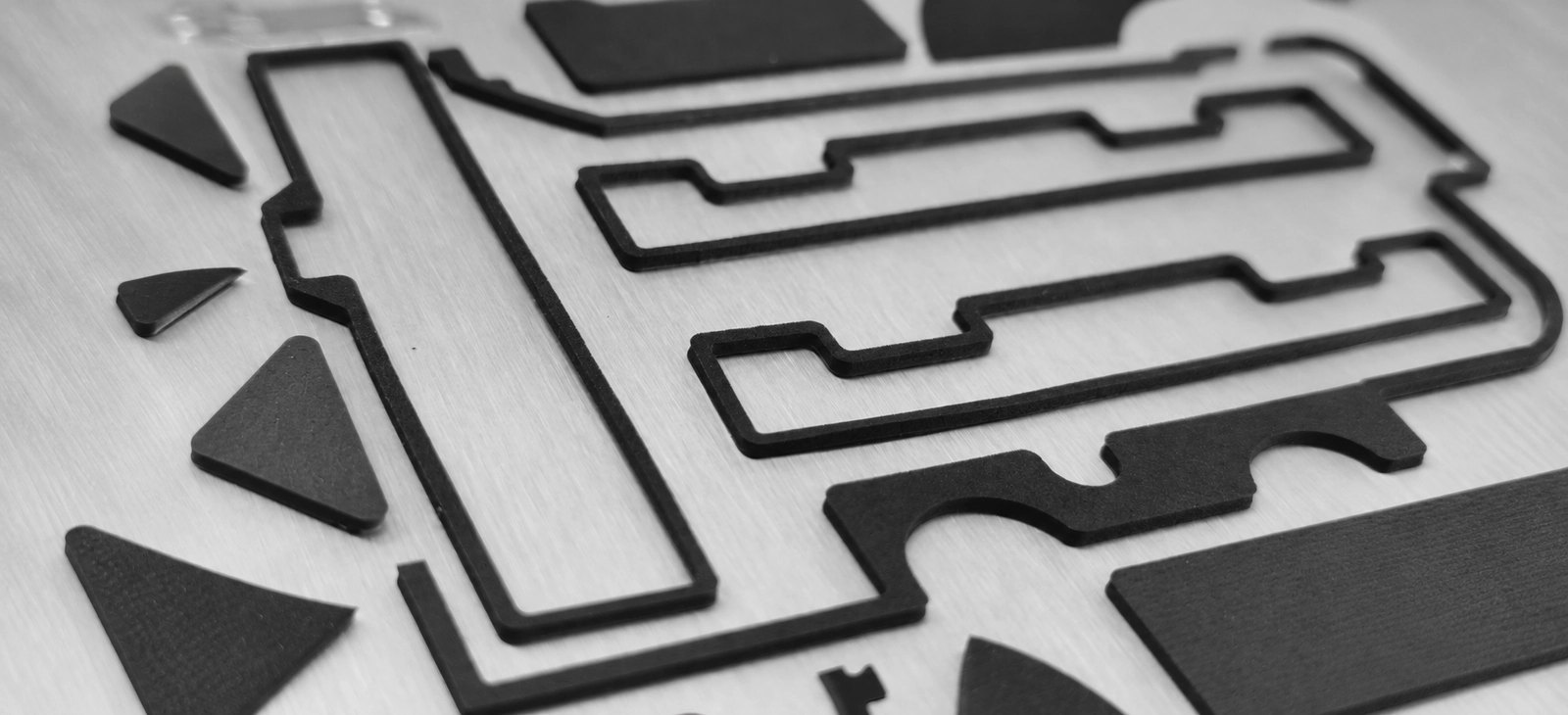
Flat gasket profiles for specified cover joints, housing seams and contact paths.

Cushioning and spacing

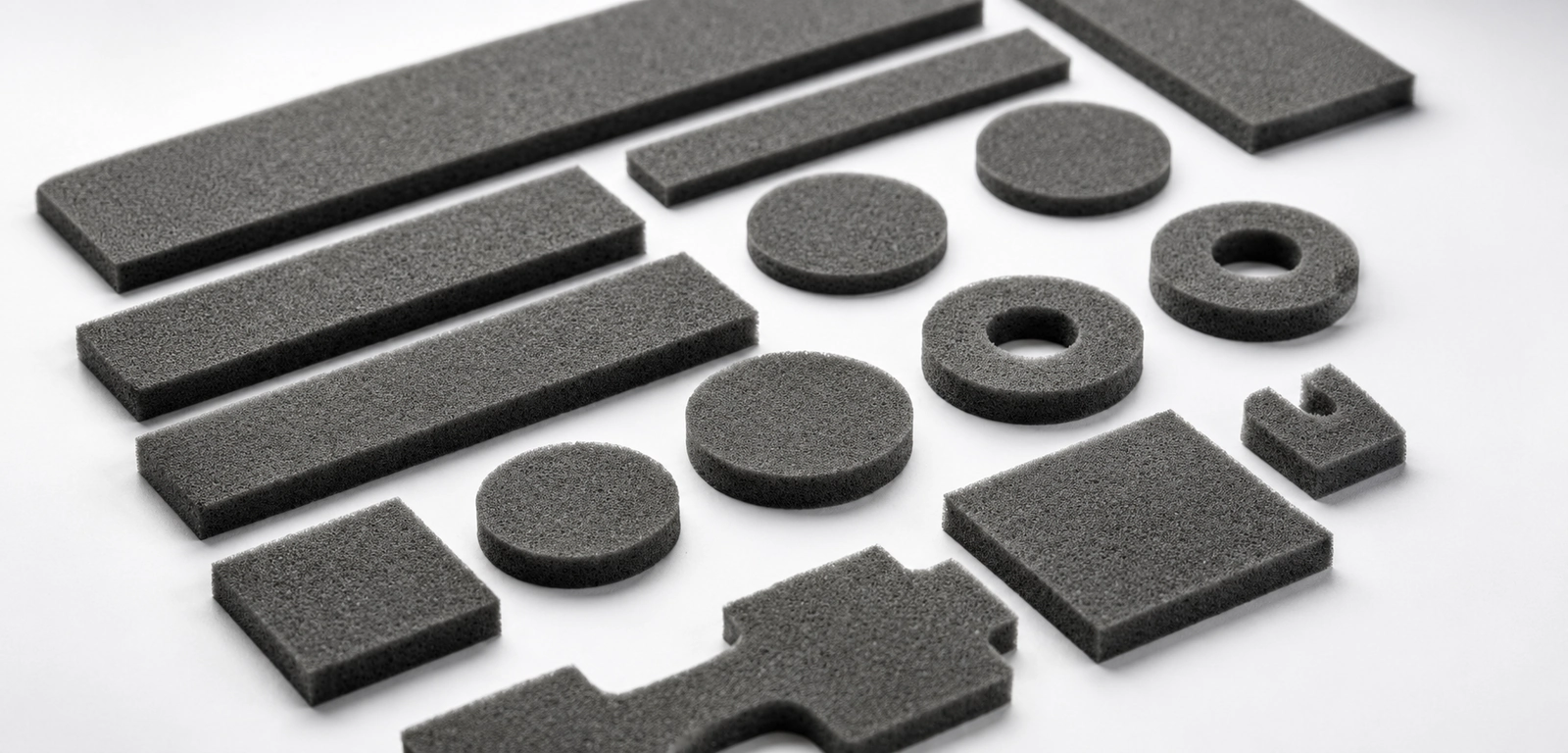
Foam or elastomer pads for local contact protection, spacing and controlled compression.

Adhesive bonding

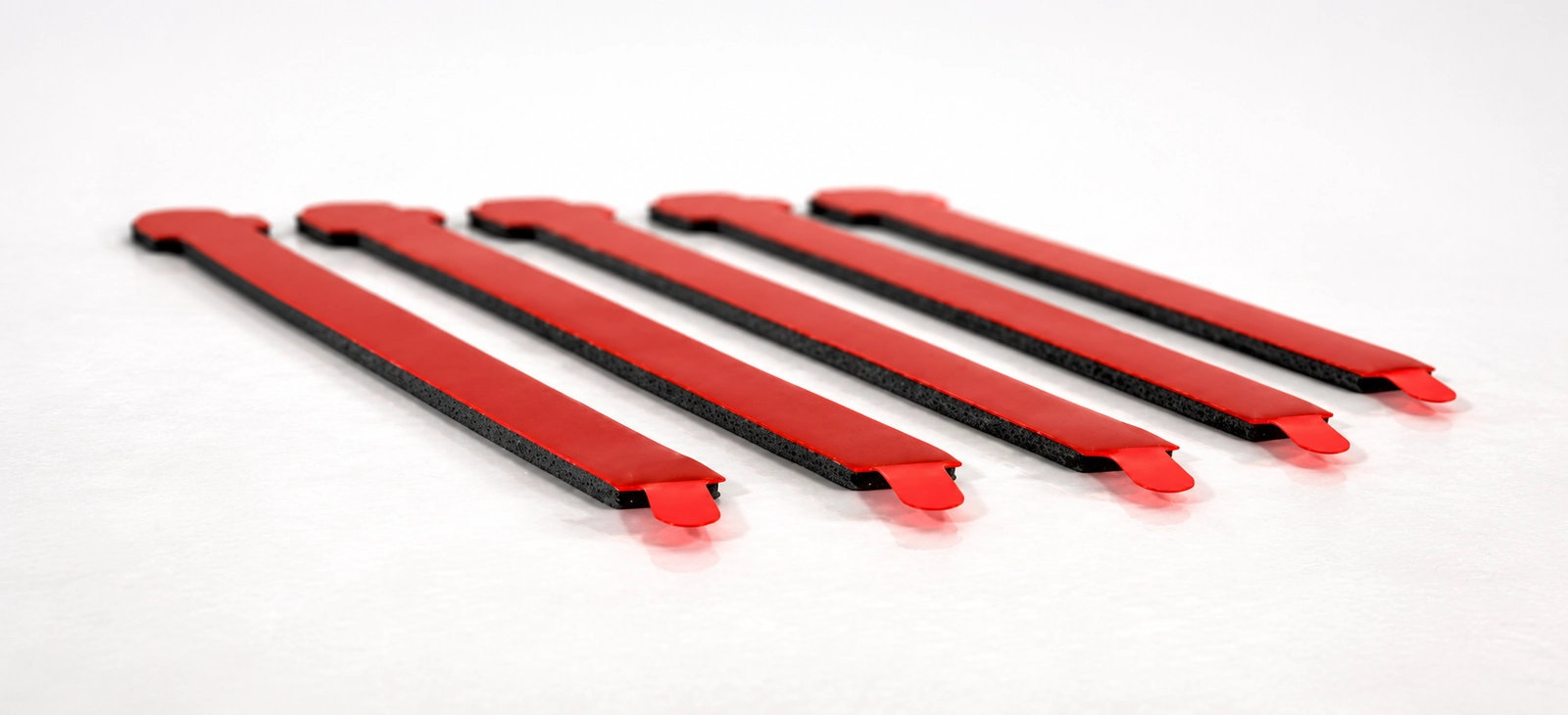
Custom adhesive shapes for component positioning and handling during assembly.

Application Needs

Housing, electrical and mounting interfaces require different geometry, material and installation conditions.

  • Interface geometry: Define the outline, mating surfaces, critical openings and assembled gap.
  • Operating environment: Identify temperature, moisture, cleaning exposure and service conditions.
  • Assembly and service: Specify fastening, contact pressure, placement sequence and maintenance access.
  • Functional requirements: Separate insulation, sealing, cushioning and adhesive-retention needs.

Review the appliance drawing for part location, thickness, mounting holes, critical dimensions and contact surfaces. Household and commercial duty cycles or cleaning conditions may differ; assess the selected material and construction for the intended use.

Matching Component Families

Select a component family by its required function at the appliance interface before comparing materials or geometry.

Component Forms & Product Families

Explore flat, drawing-defined forms for appliance housing contact, electrical separation, local cushioning and adhesive placement.

Material Selection

Select material for the appliance interface, expected exposure, compression, electrical needs and assembly method.

Explore Materials
Hands peeling a white backing sheet from a black cut profile with circular holes.

Adhesive Materials

Select adhesive and liner constructions for both substrates, surface condition and installation.

Verification follows the drawing.Inspect the approved material, thickness, cut profile, openings, adhesive coverage, liner orientation and layer alignment as specified. Electrical safety, sealing, durability and other appliance-level performance need separate validation where required.

Typical Assembly Interfaces

Illustrative locations for drawing-defined gaskets, insulation films, cushioning pads and adhesive parts in appliance assemblies.

Close-up of a large industrial ventilation fan behind a protective grille.

Appliance Controls

Die-cut films and spacers may be evaluated around specified boards, terminals and adjacent conductive structures.
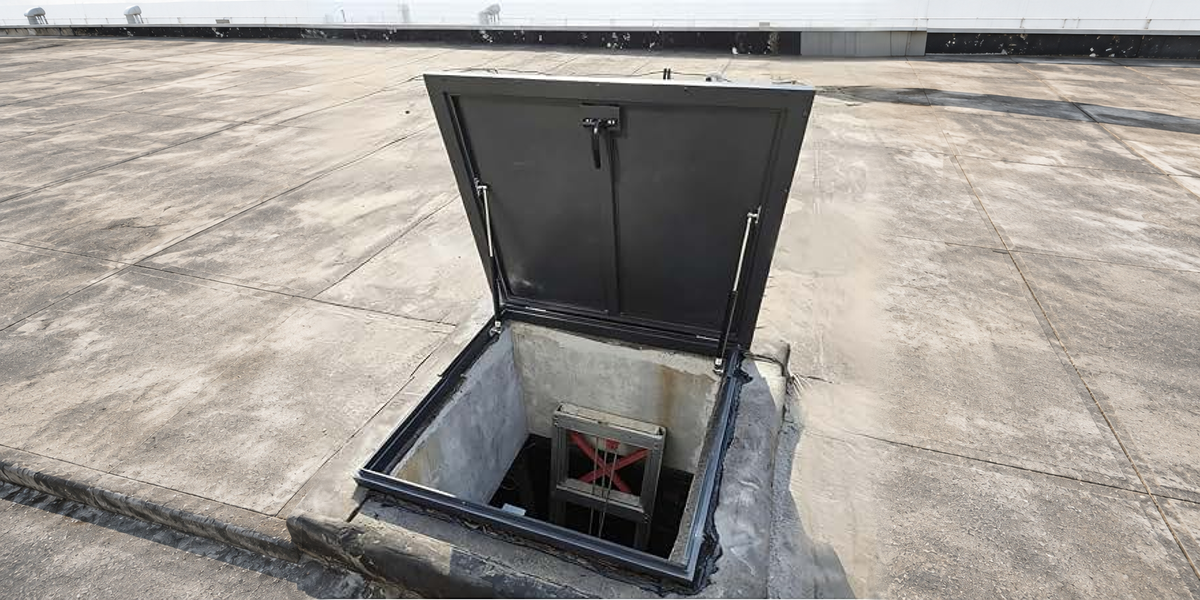
An open rooftop access hatch revealing a ladder below the roof surface.

Access Panels & Covers

Flat gaskets and cushioning pads may be reviewed at defined covers, housing seams and service-access joints.
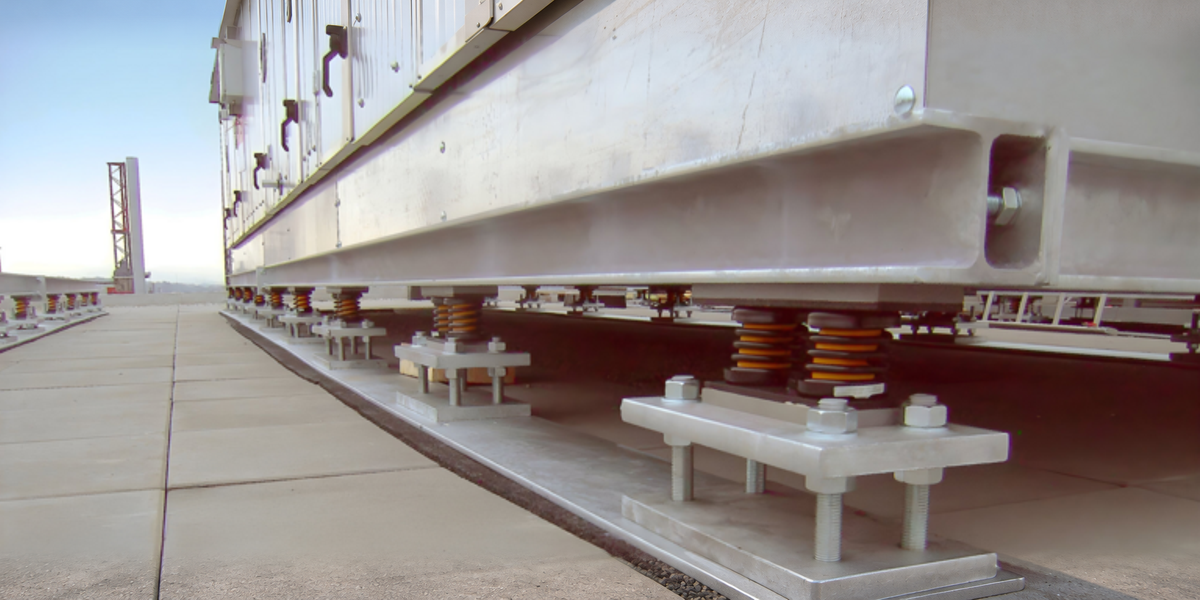
A large equipment housing supported above steel rails by isolation mounts.

Mounting & Vibration Points

Foam or elastomer pads may provide local spacing and contact protection; assess gap, load and compression.
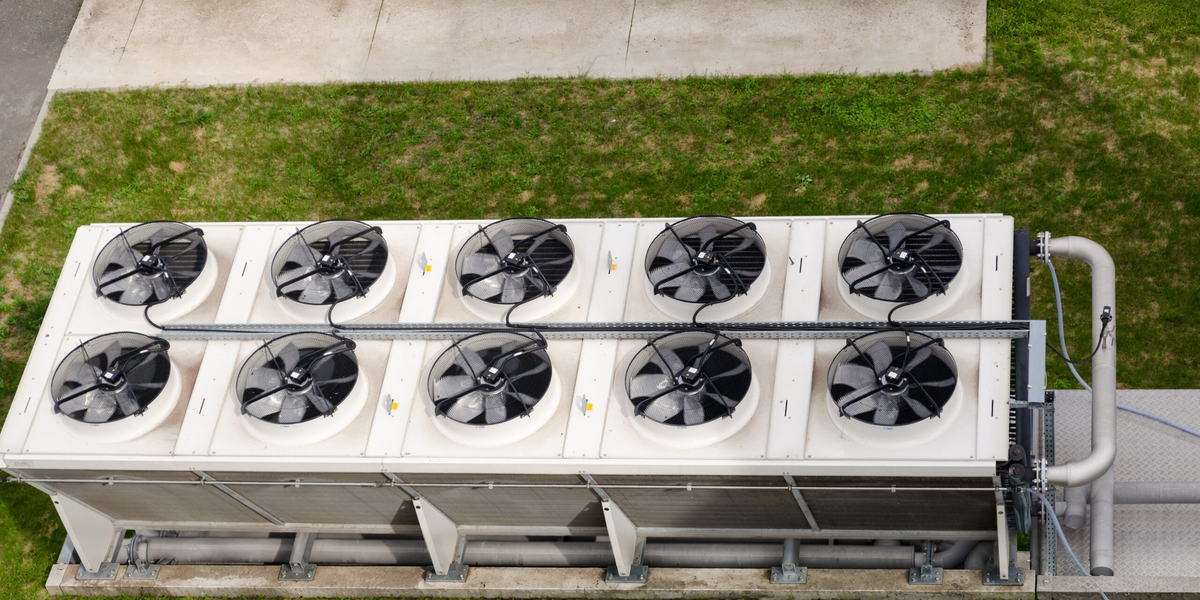
Overhead view of an outdoor cooling unit with two rows of fans.

Thermal Contact Areas

Sheet-form thermal parts may be considered only where electronics have a defined heat-transfer path.

Appliance assembly questions, answered.

Answers about appliance seams, electrical zones, cushioning and placement within the assembly sequence.

Where can die-cut electrical insulation films be used in appliances?

Films and sheets may be evaluated around specified control boards, terminals, connectors and nearby conductive structures. Drawings should define the barrier, openings, thickness and installed position. Material grade, working voltage and applicable appliance safety requirements need review in the complete equipment design. A single die-cut part does not establish equipment compliance. Where a suitable polyester grade is specified, PET film die-cut parts may be reviewed for the drawing-defined profile.

Can custom foam or rubber gaskets be made for appliance housings and access panels?

Suitable flat foam, rubber or silicone sheet materials can be evaluated for specified covers, housing seams and local contact areas. Define the sealing or cushioning function, contact width, assembled gap and available compression. These die-cut profiles are not automatically interchangeable with molded gaskets, extruded refrigerator door seals or dynamic shaft seals. Final sealing performance depends on the assembly.

What is the difference between a sealing gasket and a cushioning pad in appliances?

A gasket follows a joint where a sealing function is specified; a cushioning pad primarily manages local contact, spacing or impact. A material may sometimes serve both roles, but geometry, installed compression and required performance must be evaluated separately. A pad that prevents contact is not automatically a qualified vibration isolator or acoustic treatment.

How do moisture, temperature cycling and cleaning affect appliance gasket selection?

Refrigerator, dishwasher and commercial-appliance interfaces may face different combinations of condensation, temperature changes, detergents and cleaning frequency. Review the actual exposure, material grade, compression recovery, joint geometry and any adhesive layer. Household and commercial duty cycles are project-specific. Leakage or moisture-protection targets require complete-appliance validation.

Can die-cut pads help manage vibration or rattling in appliance housings?

Foam or elastomer pads may be considered for local cushioning, spacing and contact management around specified housings, panels and mounting points. Their effect depends on material properties, installed compression, load, frequency and mounting geometry. Any required vibration or noise-reduction performance must be checked in the actual equipment assembly.

Can appliance foam or insulation parts include adhesive backing and release liners?

Adhesive-backed constructions may help position foam pads or insulation films during assembly. Specify the substrate, surface finish, installed gap, adhesive coverage, liner and installation sequence. Attachment does not itself prove sealing or long-term retention. Where cushioning and controlled placement are both required, adhesive-backed foam components can be reviewed as a combined construction.

How should materials be selected for heat, steam and cleaning in commercial appliances?

Start with the actual temperature, moisture, cleaning media, contact surfaces and duty cycle. Material grades differ in chemical compatibility, compression behavior and adhesive stability; commercial use does not imply one universal requirement. For a specified mounting interface, double-sided adhesive die-cut parts require review of both substrates and exposure. Food- or drinking-water-contact suitability requires separate grade-specific evidence and applicable approval.

Can custom appliance die-cut components be prototyped and inspected before production?

Prototype and low-volume requirements can be evaluated for geometry, material choice, adhesive construction and installation fit. Agreed inspection criteria may include material identity, thickness, critical dimensions, cut edges, adhesive coverage and layer alignment. Tooling, quantities and lead time depend on the design. Equipment-level sealing, electrical and durability tests require separate definitions.

Do you supply replacement appliance parts to individual consumers?

No. TC Precision Components focuses on custom, drawing-defined functional parts for appliance OEMs, equipment manufacturers and business procurement projects. We do not operate a retail replacement-parts service or manufacture complete appliances. Projects should include the intended assembly, material requirements and planned manufacturing quantities.

What information is needed to quote die-cut parts for home or commercial appliances?

Provide the appliance type, part location, drawing or sample with revision, required function, material and thickness if known, critical dimensions and estimated quantities. Include assembled gap, compression, temperature, moisture or cleaning exposure, electrical requirements, bonding surfaces and liner needs where relevant. Identify inspection documents or functional tests required for an initial review.

Have an Appliance Assembly Component Project?

Share your appliance drawing, part location, required function, material or operating conditions, critical dimensions and estimated quantity for review.