

Electrical Insulation Components
Die-cut barriers that separate conductive surfaces and fit defined spaces in electrical assemblies.
We manufacture custom die-cut components for insulation, sealing, bonding, EMI shielding and thermal management—built to your drawings for electronic, electrical and industrial equipment, from prototype to production.
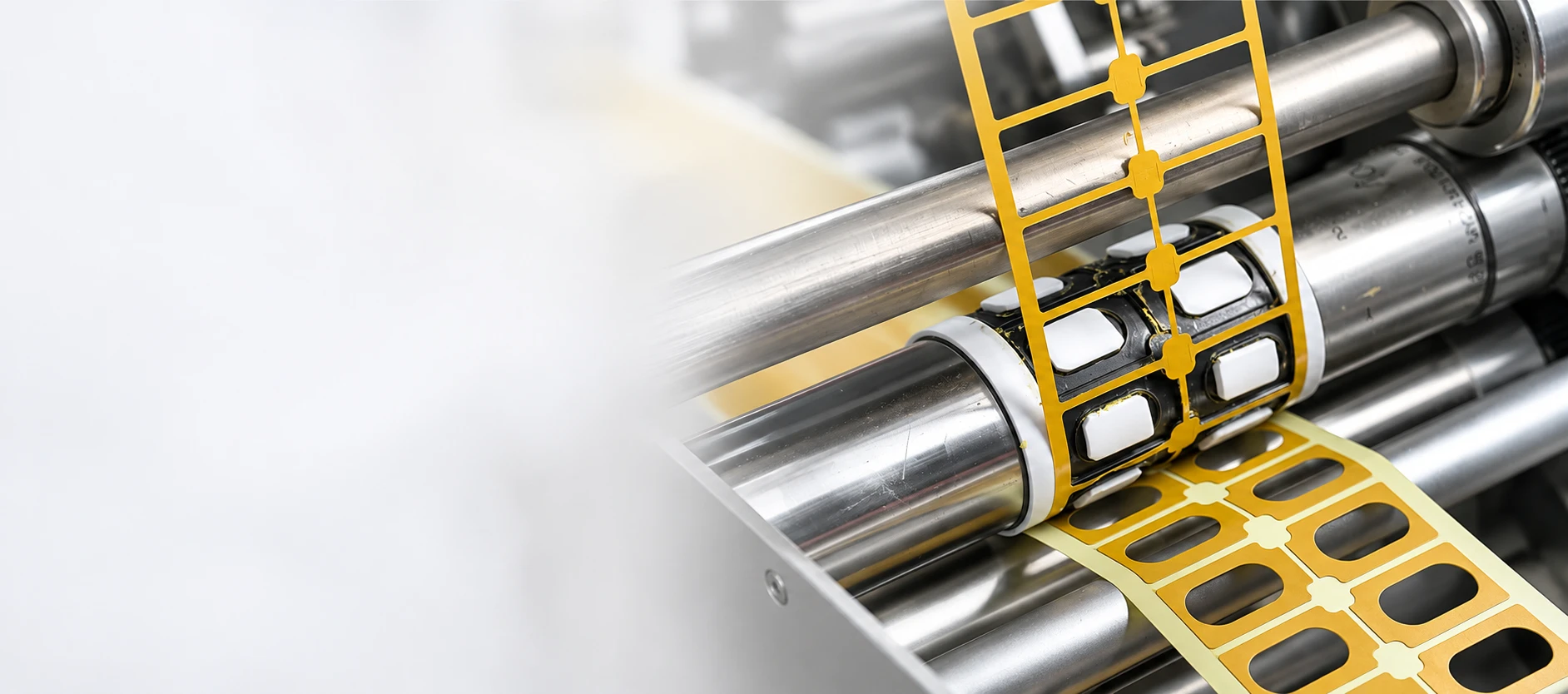
Seven functional component families, defined by the job each part performs.
Die-cut barriers that separate conductive surfaces and fit defined spaces in electrical assemblies.

Foam, rubber and silicone parts that seal gaps, cushion contact and help manage vibration.

Adhesive-backed parts for bonding and mounting where substrate, thickness and assembly method matter.
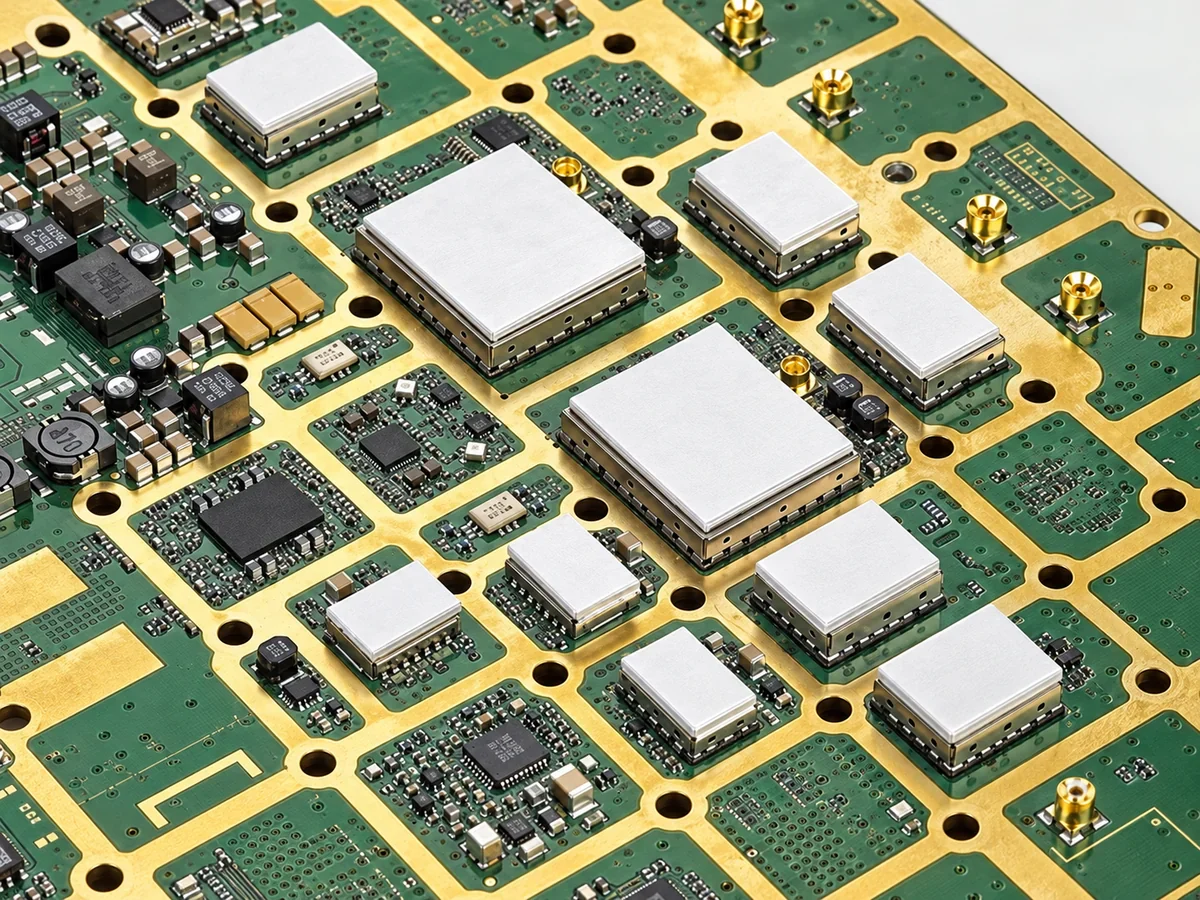
Conductive and shielding parts for enclosure gaps, EMI/RFI control and magnetic isolation interfaces.
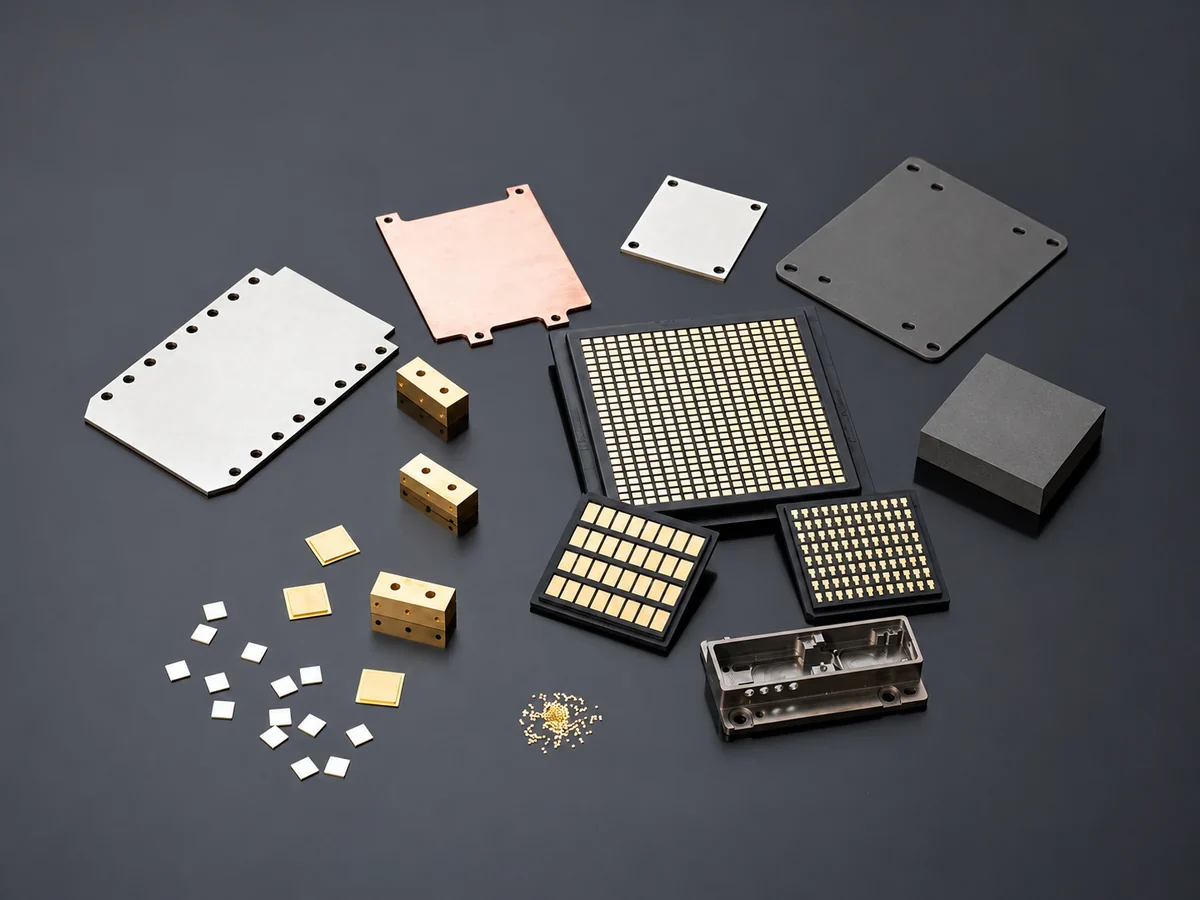
Die-cut thermal interface parts shaped around heat sources, contact surfaces and assembly needs.

Absorber sheet parts for EMI noise suppression, high-frequency applications and adhesive-backed assembly needs.

Custom molded silicone seals, grommets and elastomer parts for sealing, cushioning and assembly interfaces.
Functional parts shaped for the equipment, assembly location and operating conditions.
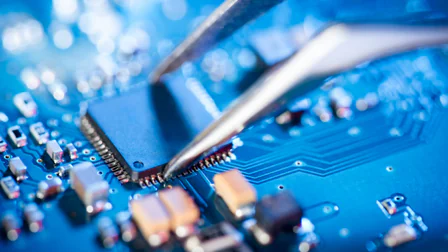
Insulation, thermal interface and sealing parts for power supplies, converters, control modules and related assemblies.
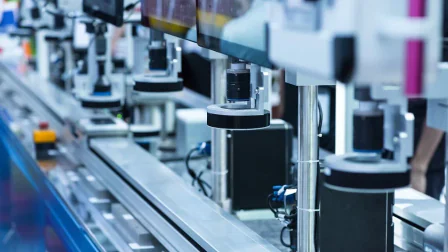
Custom insulation, sealing, adhesive and protective components for control panels, automation equipment and industrial electronics.
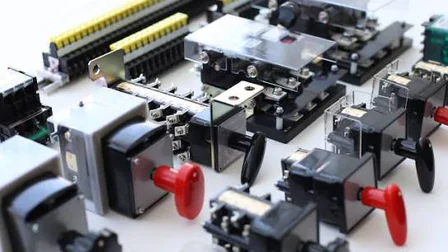
Foam gaskets, insulation, sealing and adhesive components for HVAC, ventilation and temperature-control equipment.
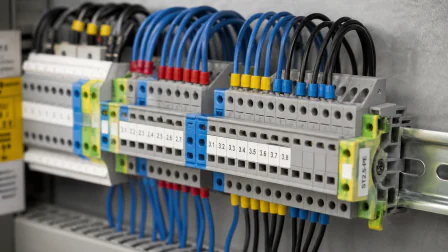
Insulation, sealing and thermal parts for distribution enclosures, motor assemblies and drive equipment.
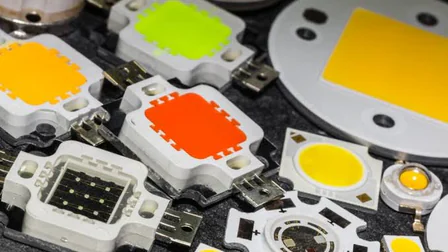
Thermal, adhesive, insulation and sealing components for LED modules, fixtures, drivers and lighting assemblies.
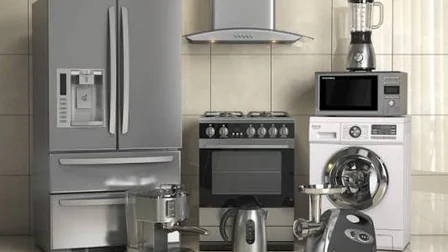
Custom foam, insulation, adhesive and sealing components for household and commercial electrical appliances.
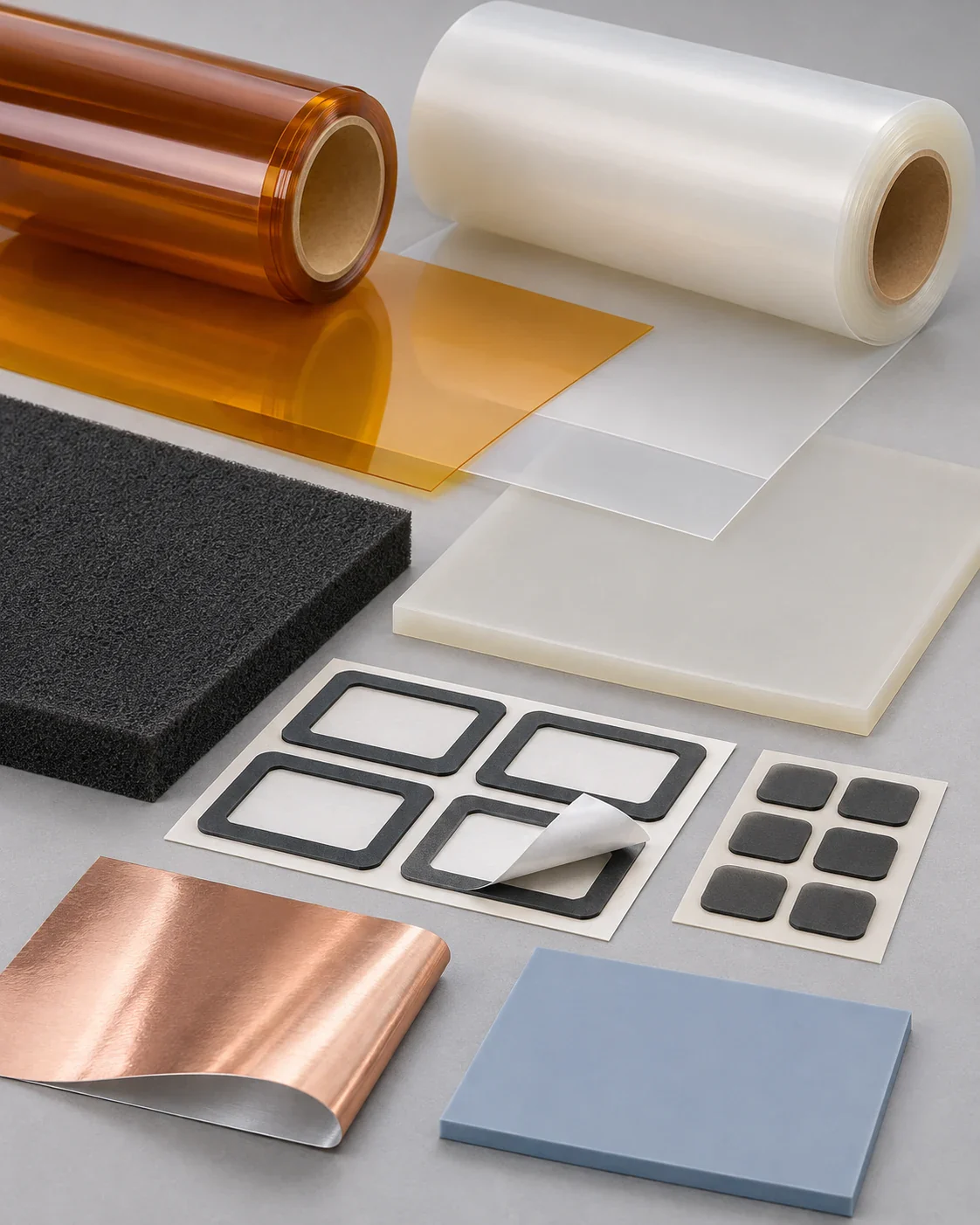
Material selection starts with function, thickness and assembly requirements. We review adhesive and liner construction, die-cut geometry and operating conditions for insulation, sealing, EMI control and thermal management applications.
Films and sheets for electrical insulation.
Flexible materials for sealing and cushioning.
Adhesive layers, liners and bonding constructions.
Conductive shielding and EMI-control materials.
Thermal interface sheets and die-cut pads.
From drawing to production, precision converting, layered construction and project-specific inspection work together.

Convert sheet and roll materials into repeatable geometries from drawings and assembly requirements.
Combine adhesive, foam, film, insulation, shielding and thermal layers into assembly-ready parts.
Incoming, first-article, in-process and final checks support dimensional control, revisions and batch traceability.
In-house manufacturing supported by an integrated supplier network.
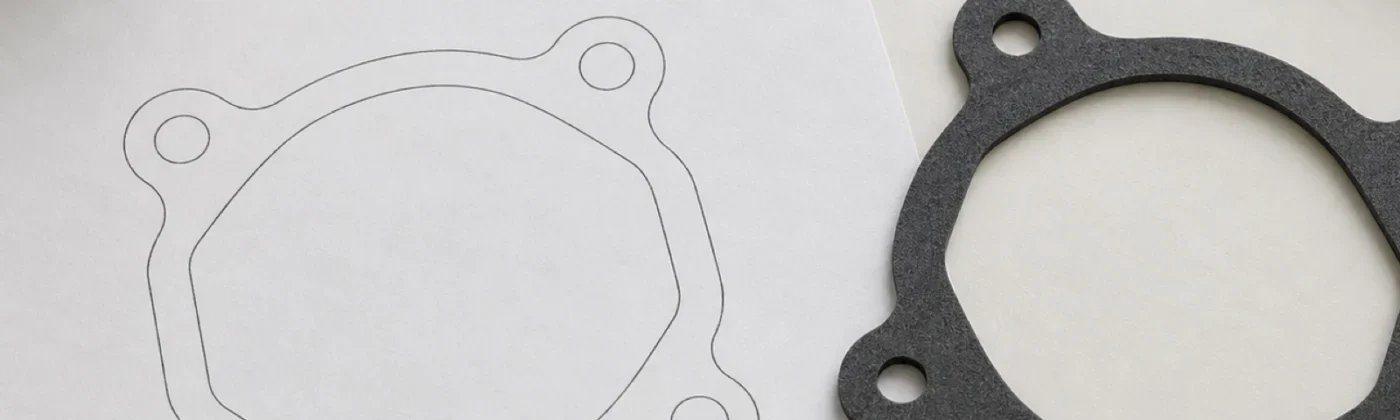
Material selection, die-cut design and manufacturing guidance for custom functional components.
From Requirements
to Production
Practical answers about custom functional components, materials, prototyping, drawings and project requirements.
We support custom electrical insulation parts, sealing and cushioning components, adhesive-backed die-cut parts, EMI shielding components and thermal interface parts. Each project is reviewed against its function, material, geometry and assembly requirements.
We review component requirements for power electronics, industrial automation, electrical distribution, motors and drives, HVAC, LED lighting and appliances. Typical needs include insulation, sealing, cushioning, bonding, EMI control and thermal management.
Material options include electrical insulation films, foam, rubber, silicone sheets, pressure-sensitive adhesives, conductive and shielding materials, and thermal interface sheets. Suitability depends on material grade, thickness, processing behavior and operating conditions.
Yes. Tell us what the part must do, its operating conditions, the surfaces it contacts and any thickness or assembly limits. We can review suitable material families and identify specifications that need validation before the final material is selected.
A technical drawing, CAD reference, PDF, sketch or physical sample can be the starting point for a project review. We clarify material, dimensions, critical tolerances and assembly requirements before confirming manufacturability. File or sample submission methods can be agreed during the inquiry.
Depending on material compatibility, films, foams, adhesive layers and release liners can be combined into custom die-cut constructions. Share the layer sequence, bonding surfaces, total thickness and handling requirements so we can review a suitable converting approach.
Prototype and sample requirements can be reviewed to assess fit, material suitability and assembly handling before regular production. Feasibility, tooling and sample costs depend on the part design and quantity. Expected production volumes should be discussed early.
Inspection requirements are based on approved drawings, critical dimensions, material specifications and agreed acceptance criteria. Depending on the project, verification can include incoming material, first-article, in-process and final checks. Reporting and traceability requirements should be confirmed before production.
Minimum order quantities, tooling needs and lead times are project-dependent. Material availability, part geometry, layer construction, inspection requirements and order volume can affect cost and scheduling. Share your prototype quantity and production forecast for a project-specific evaluation.
Share your application, drawing or sample, dimensions, critical tolerances, material and thickness if known, adhesive or liner requirements, and estimated quantities. If the specification is incomplete, send what you have so we can identify the missing details during the initial review.
Request a Quote
Send us your drawing, material requirements or application details.Share your drawing or project details.
