
Precision Molded Silicone Parts
Solid silicone rubber molded-part requests can be reviewed for three-dimensional geometry, material grade, hardness, contact requirements and tooling feasibility. Process, tolerances and validation needs are confirmed against the drawing before quotation.
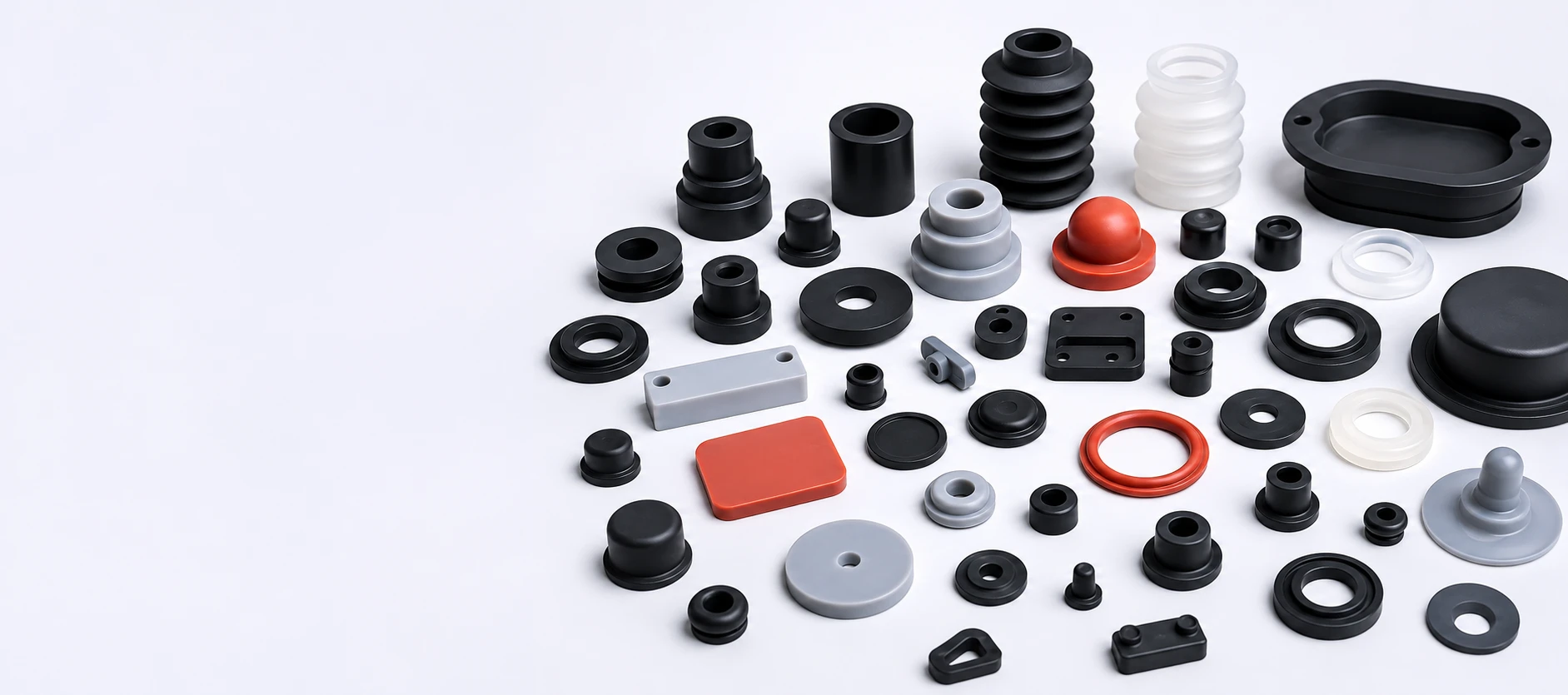
3D Part Geometry
MOLDED FEATURES · ASSEMBLY FIT
Material & Compression
SILICONE GRADE · SHORE A HARDNESS
Tooling & Verification
Parting lines, critical dimensions and inspection needs are reviewed before a route is confirmed.
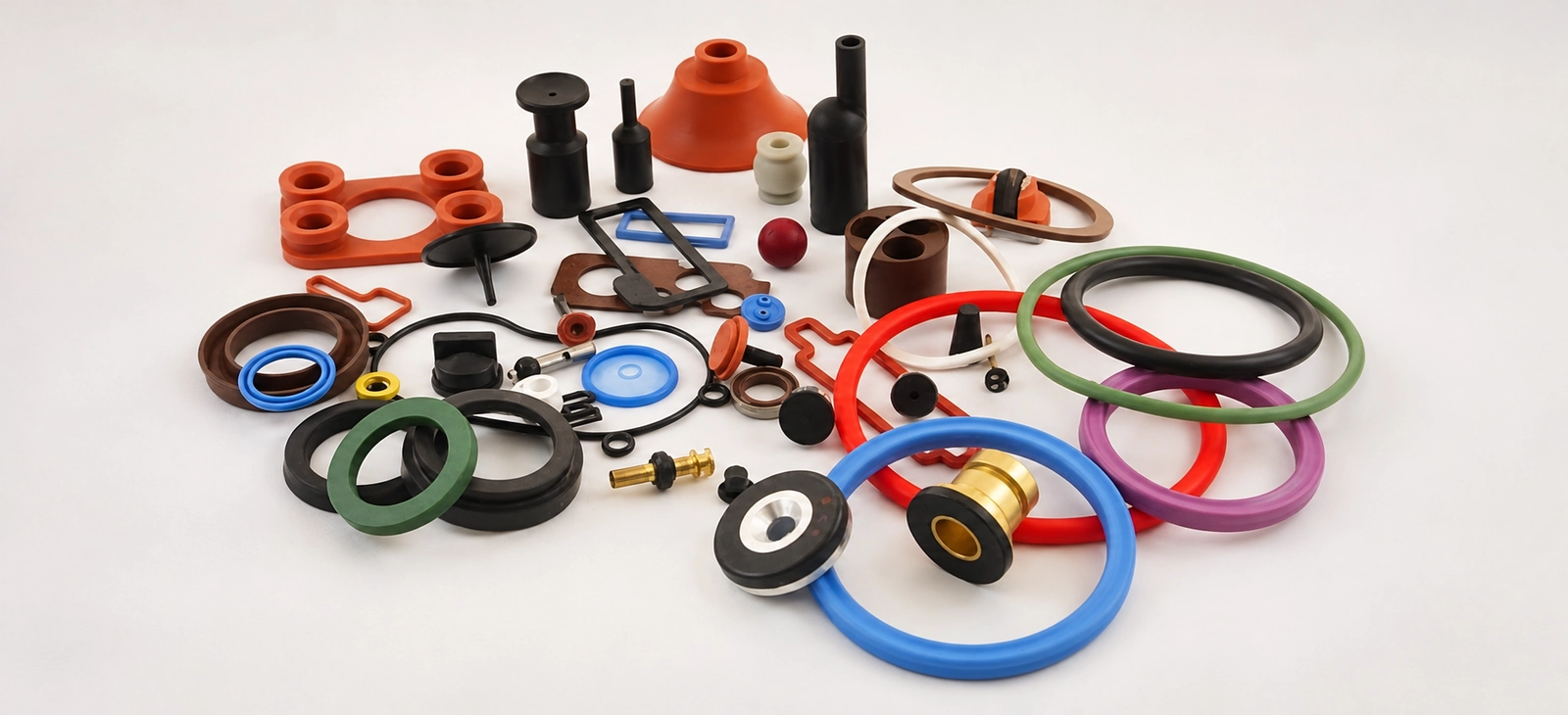
Molded Silicone Parts Defined by 3D Geometry
Molded silicone part designs may include three-dimensional gaskets, pads, plugs and grommets. Unlike flat sheet die cutting, molding can form selected grooves, raised features and varying cross-sections where tooling permits. Material grade, wall thickness, parting line, demolding and assembly requirements need review before manufacturing feasibility is confirmed.
Material & Tooling Review
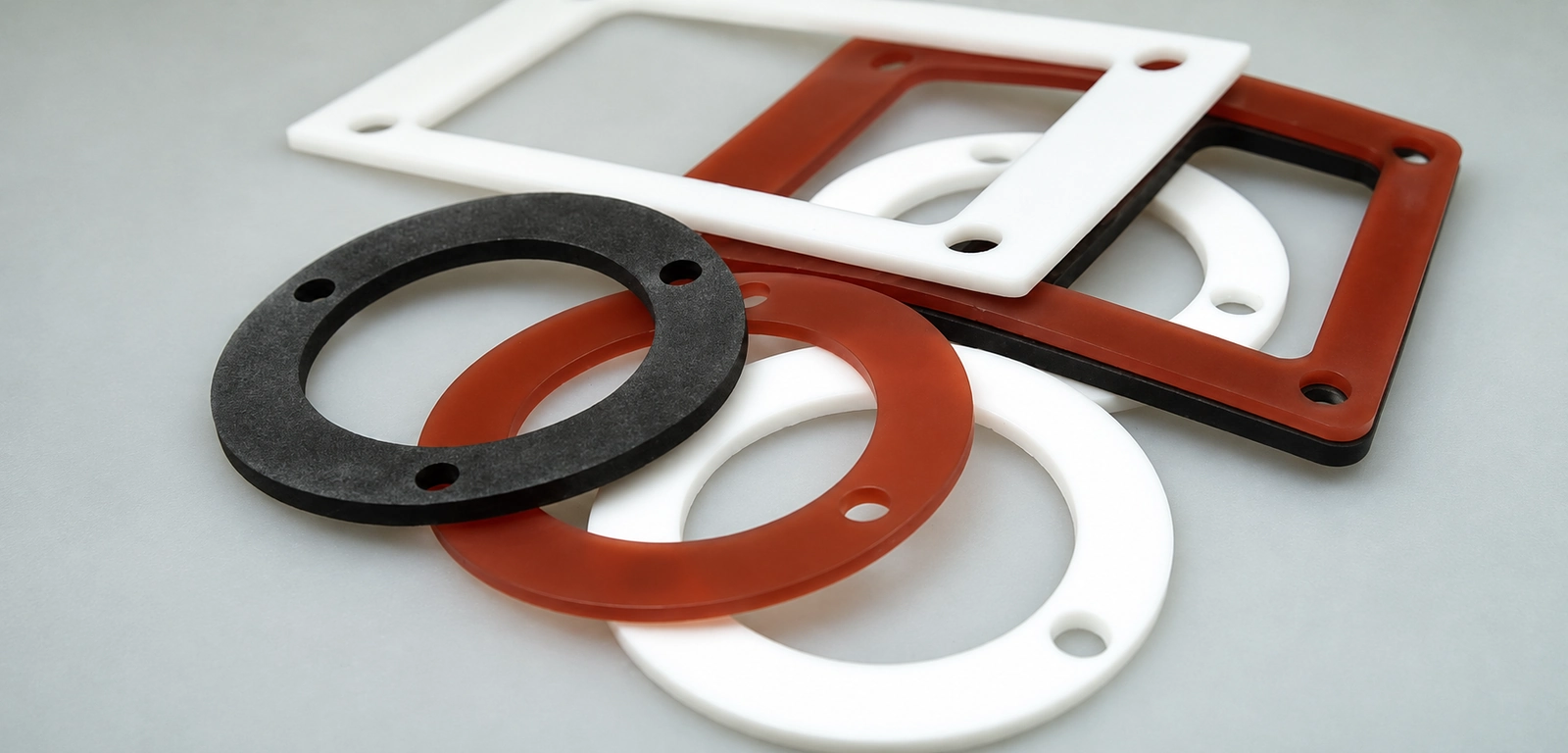
Silicone Rubber Grade
Customer-specified grade, Shore A hardness, compression behavior and operating limits require supplier data and process review.
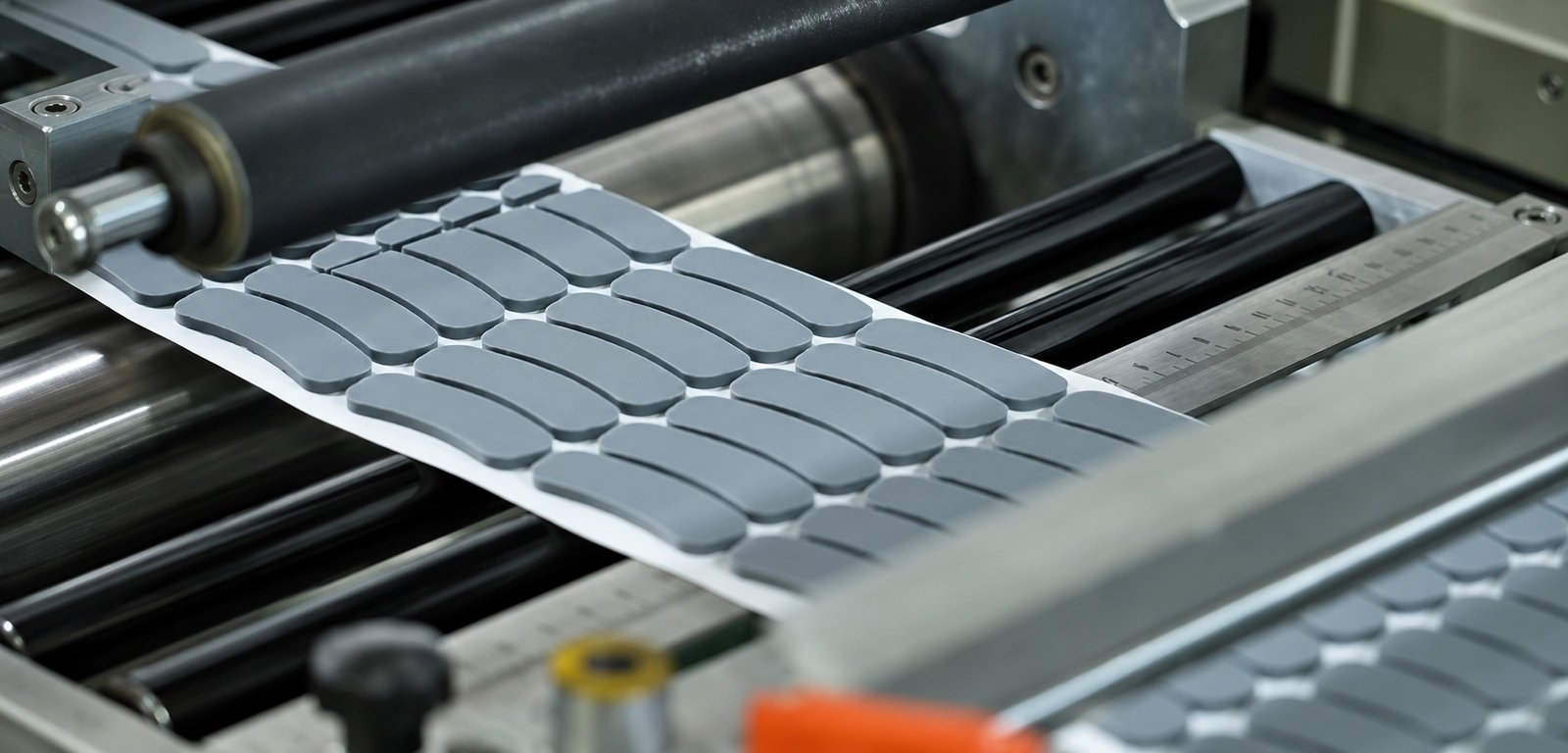
Molded Forms
Wall sections, grooves, ribs and sealing lips are drawing-defined features; moldability and release depend on geometry and material.
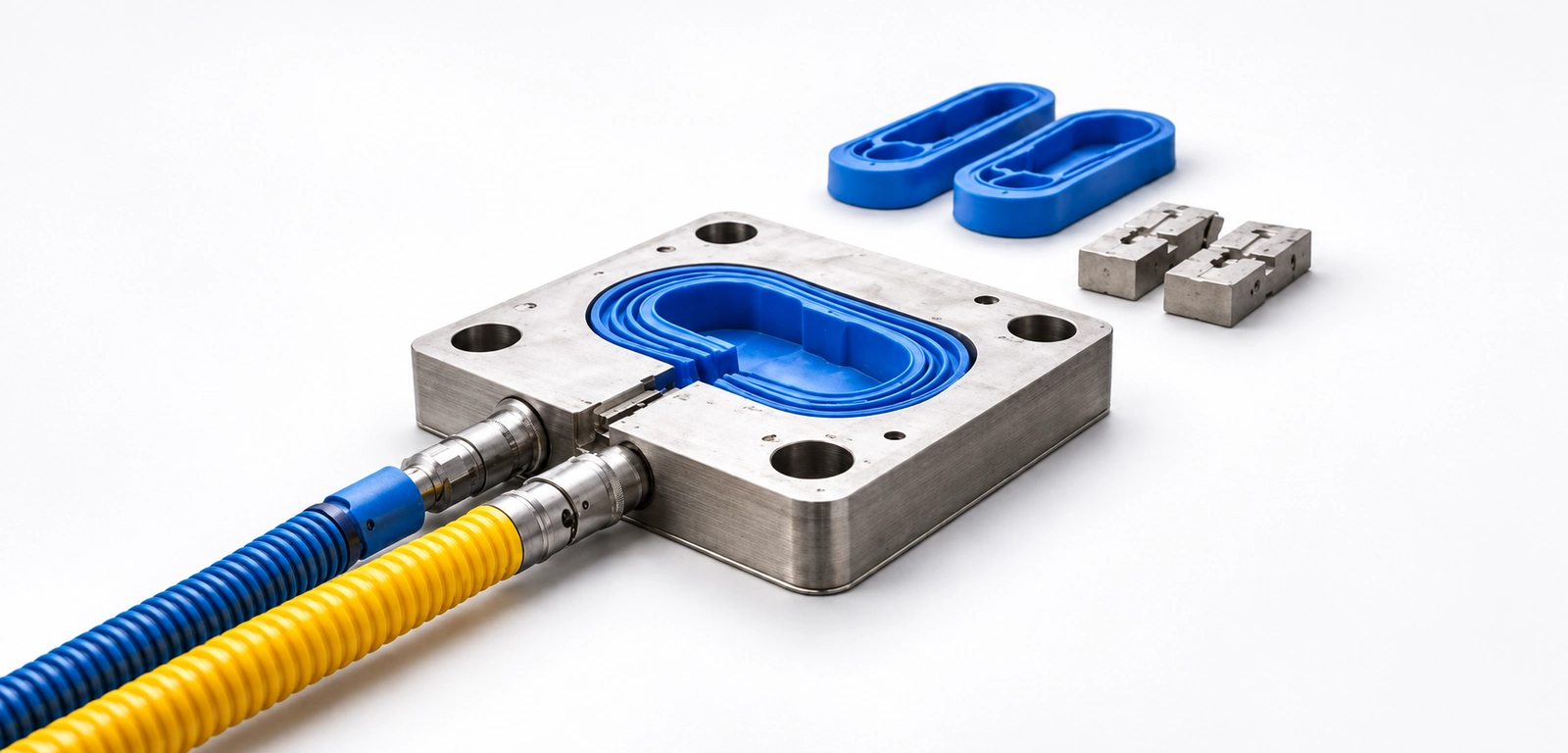
Tooling Review
Review parting line, undercuts, shrinkage allowance, demolding and flash-sensitive surfaces before a tooling route is agreed.
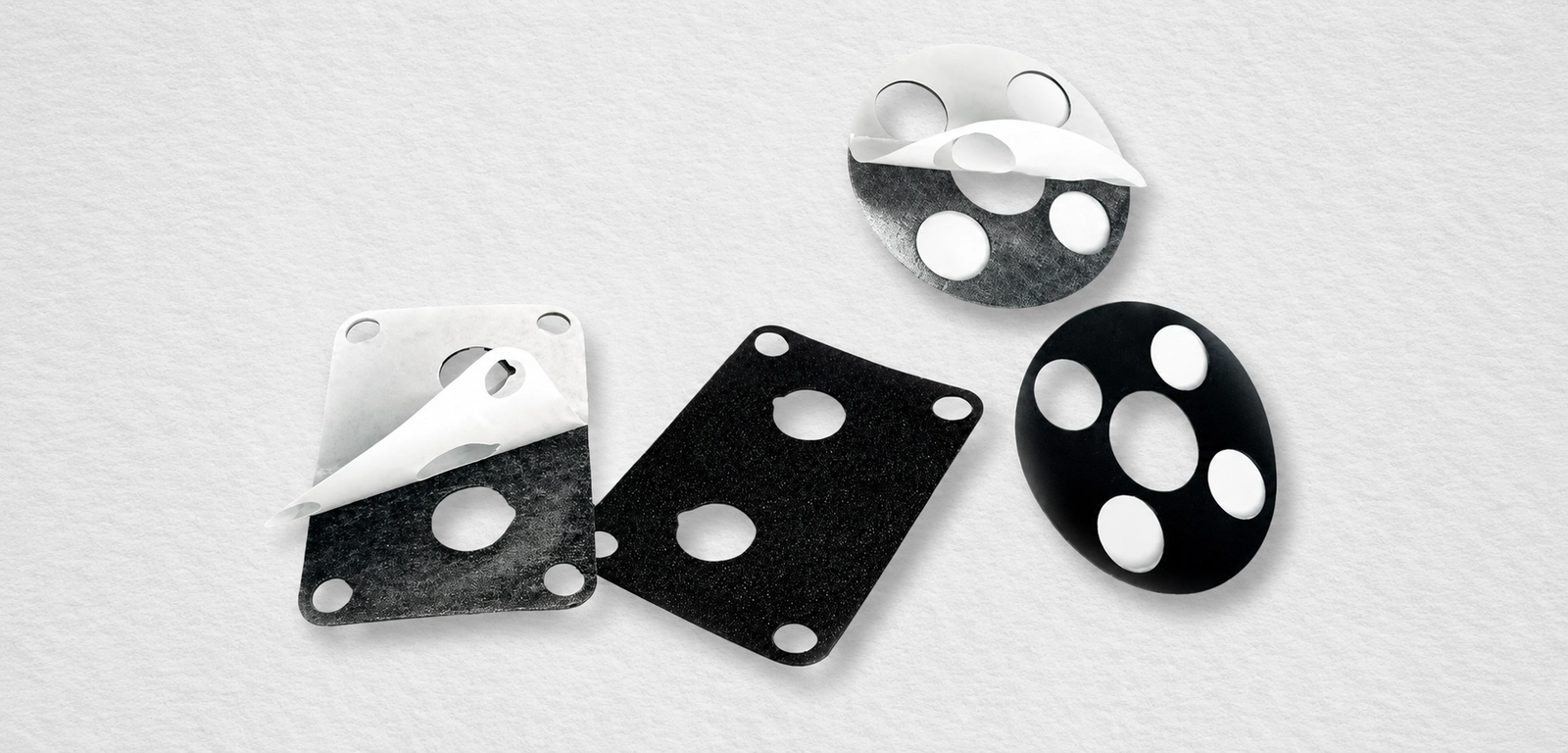
Sample & Supply Route
Material documents, supplier process capability, sample checks and production route require separate confirmation.
Engineering
Considerations
Geometry & Tooling
Review wall sections, undercuts, radii, parting lines and demolding for the proposed process.
Material & Compression
Define grade, Shore A hardness, contact surfaces, installed gap and service conditions.
Tolerance & Inspection
Identify critical dimensions, acceptable flash, surface needs and measurement conditions.
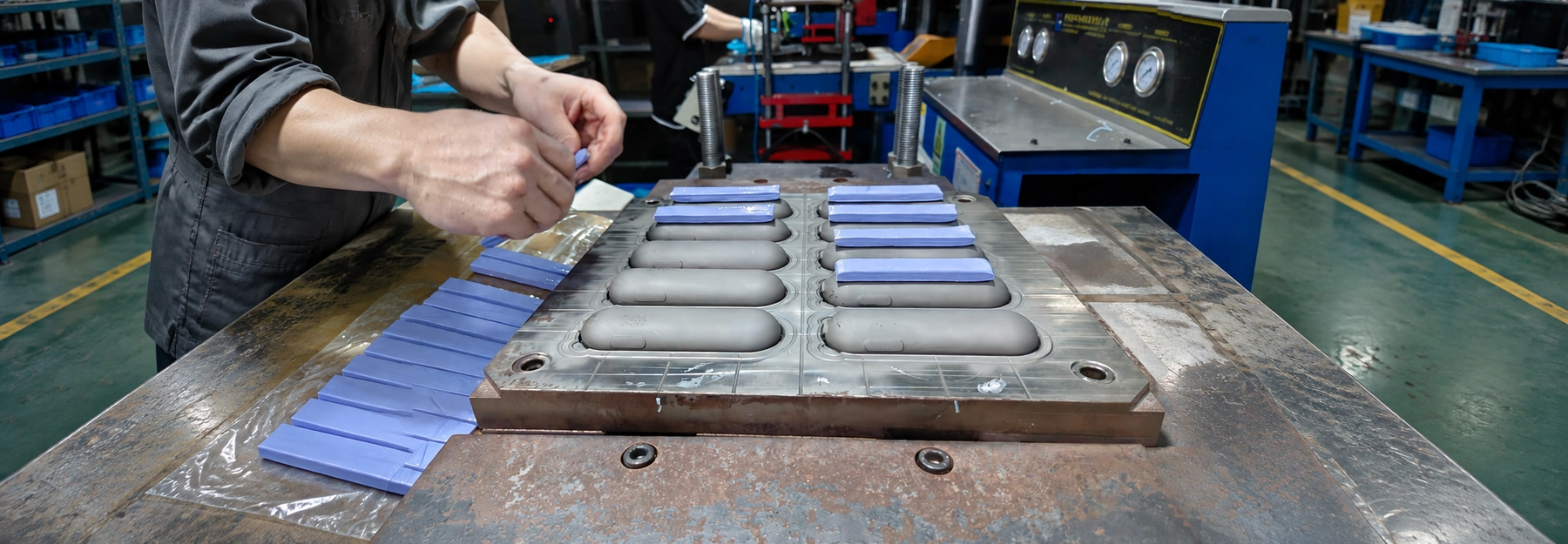
How We Review Molded Part Projects

Moldability Review
Evaluate three-dimensional geometry, wall sections, undercuts and demolding against a proposed process.
Material & Tooling Confirmation
Review grade, hardness, tooling concept and supplier feasibility before confirming a manufacturing route.
Inspection Planning ↗
Define critical dimensions, sealing surfaces, allowable flash and documentation for project review.
Molded Silicone Part FAQs
Practical answers for drawing review, materials and quotation planning.
Molded silicone or die-cut silicone sheet?
Die-cut silicone sheet die-cut parts use existing flat sheet stock for two-dimensional profiles with holes or cutouts. Molded silicone parts use a suitable material, mold and process to create three-dimensional geometry such as varying sections or grooves. Selection depends on the drawing, grade, tolerance needs and quantity; manufacturing feasibility must be confirmed for the proposed design.
Is solid silicone molding the same as LSR injection molding?
No. High-consistency silicone rubber (HCR) and liquid silicone rubber (LSR) are different material systems with different processing requirements. A solid silicone compound may be processed by a suitable molding method after supplier review; LSR injection uses a liquid system and a different manufacturing arrangement. This page concerns project-specific solid silicone molded-part review and does not establish LSR production as an available service.
What 3D silicone parts can be molded?
Potential designs include specified gaskets, pads, plugs, grommets and other three-dimensional functional shapes. Grooves, raised sections, lips and varying wall thickness may need dedicated tooling. Feasibility depends on the proposed process, silicone grade, geometry, demolding and volume. Each drawing requires review before any manufacturing commitment.
How do I choose silicone hardness and material grade?
Start with part function, contact surfaces, expected deformation and operating environment. Shore A hardness is one material specification, but it does not alone determine compression force or sealing performance. Wall thickness, geometry and compound properties also matter. Check temperature, chemical or electrical requirements against grade-specific supplier data.
What affects molded silicone tolerances?
Tolerances depend on process, part size, compound, geometry, shrinkage, tooling and inspection conditions. Flexible silicone can deform during demolding or measurement. Identify critical dimensions and agree how they will be measured during design and tooling review. Do not assume a universal tolerance for every molded component.
Why do parting lines and flash matter?
A parting line forms where mold sections meet; flash is unwanted material beyond the intended profile. Their position and allowable extent can affect appearance, fit or sealing contact. Tooling, material behavior, geometry and finishing needs should be reviewed before production. Mark critical surfaces and acceptable flash conditions on the drawing.
Can molded silicone include grooves and undercuts?
Grooves, ribs, lips and selected undercuts can be considered, but not every feature suits every material or process. Wall thickness, corner radii, parting line and demolding affect tool complexity and defect risk. Confirm feasibility and any design changes in a project-specific tooling review.
How is molded silicone sealing performance evaluated?
Assess a seal in its intended joint, including contact surfaces, installed gap, compression, fasteners and service environment. Grade-specific compression and recovery data can support selection. Dimensions or material data alone cannot establish leakage performance, ingress protection or service life. Agree assembly-level tests and acceptance criteria for each project. See sealing and cushioning components for the broader functional category.
Can molded silicone parts be prototyped before production?
A prototype or initial sample plan can be reviewed before a production route is confirmed. Tooling cost, cavity design, quantity, revisions and timing depend on the proposed method and part complexity. Samples may support fit, dimensional, surface, material-document and handling checks; sample approval does not prove long-term functional performance.
What is needed for a molded silicone quotation?
Provide a 2D or 3D drawing or sample with revision, intended function, dimensions and critical tolerances. Include the silicone grade and Shore A hardness if known, contact surfaces, operating conditions, allowable flash, tooling status, sample quantity and expected volume. Identify any adhesive, liner, functional testing or documentation needs. Material and manufacturing feasibility must be confirmed before a final quotation.
Have a Molded Silicone Part Request?
Share a 2D or 3D drawing, required function, material grade or hardness if known, critical dimensions, tooling status and estimated quantity for a feasibility review.