PRODUCTS
Custom Die-Cut Components for Functional Applications
TC Components provides custom die-cut parts for insulation, sealing, cushioning, bonding, EMI shielding and thermal management in electronic, electrical and industrial equipment.
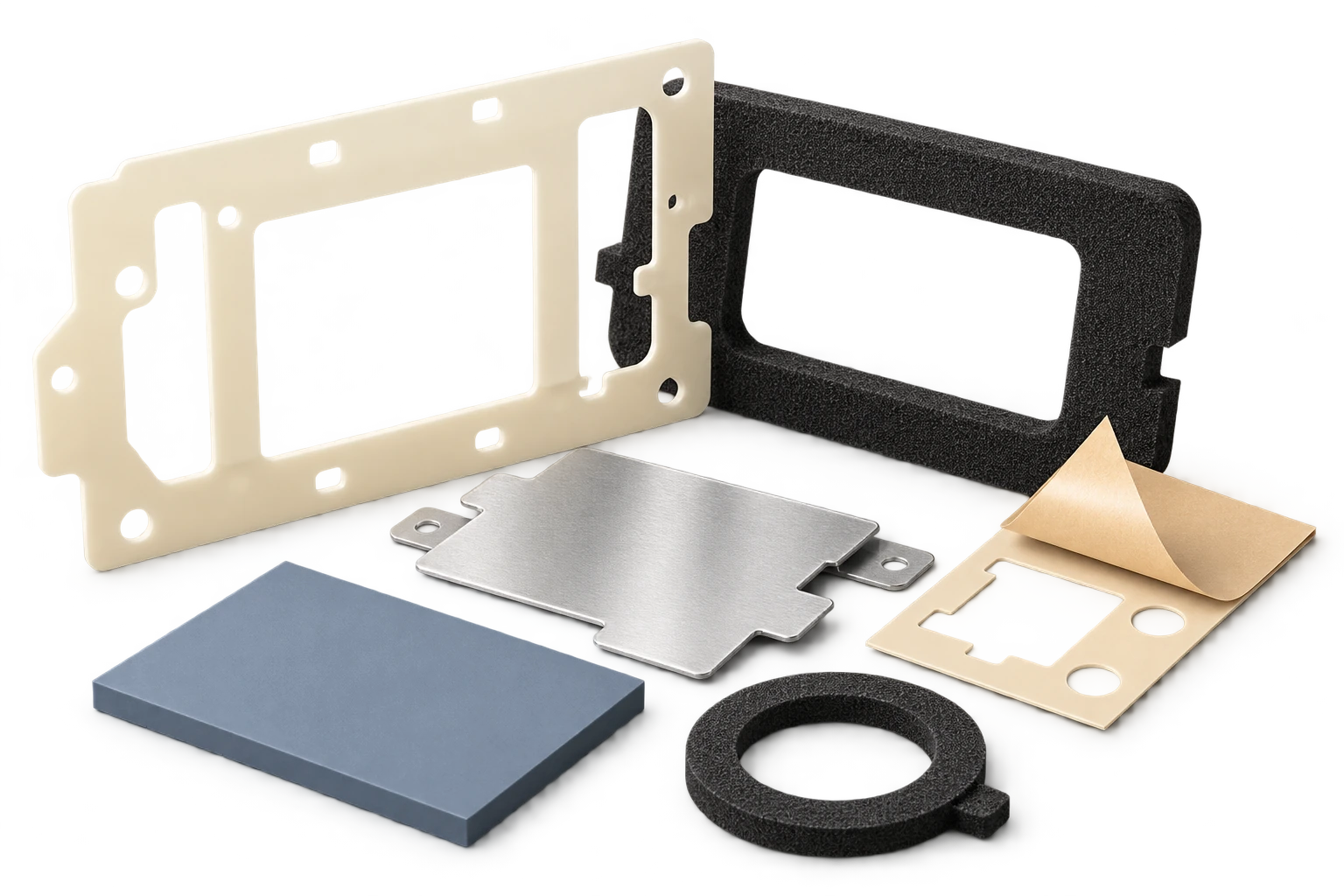
PRODUCT OVERVIEW
Functional components, not just cut shapes.
Custom die cut components start with a job to do. We turn selected materials into parts designed around insulation, sealing, cushioning, bonding, shielding or heat transfer—and the way each part fits its assembly.
FIVE PRODUCT FAMILIES
Explore the component families.
Find the functional category that matches your design requirement.
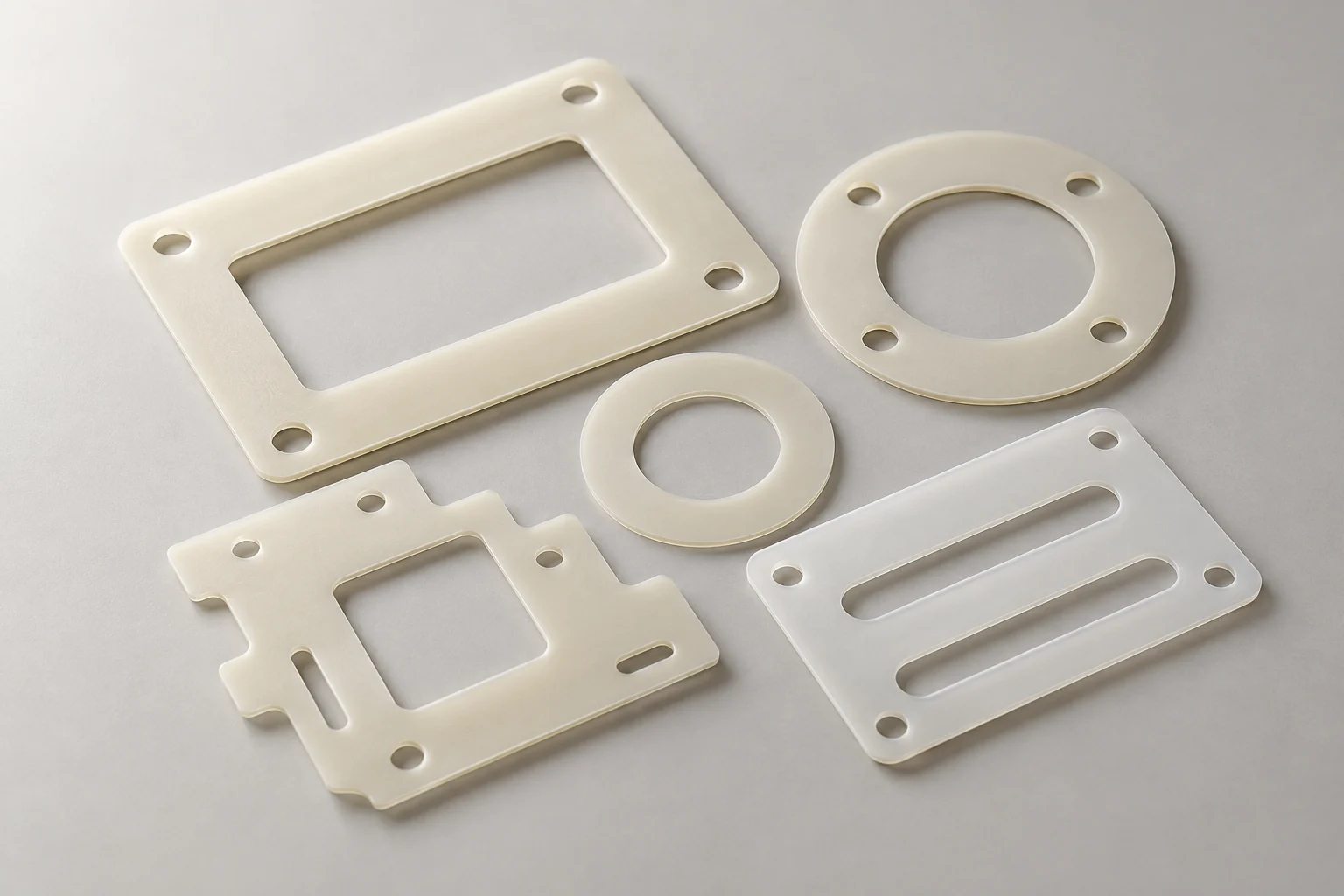
01 / 05
Electrical Insulation Components
Die-cut films, barriers and pads for electrical separation and protection.
Explore Components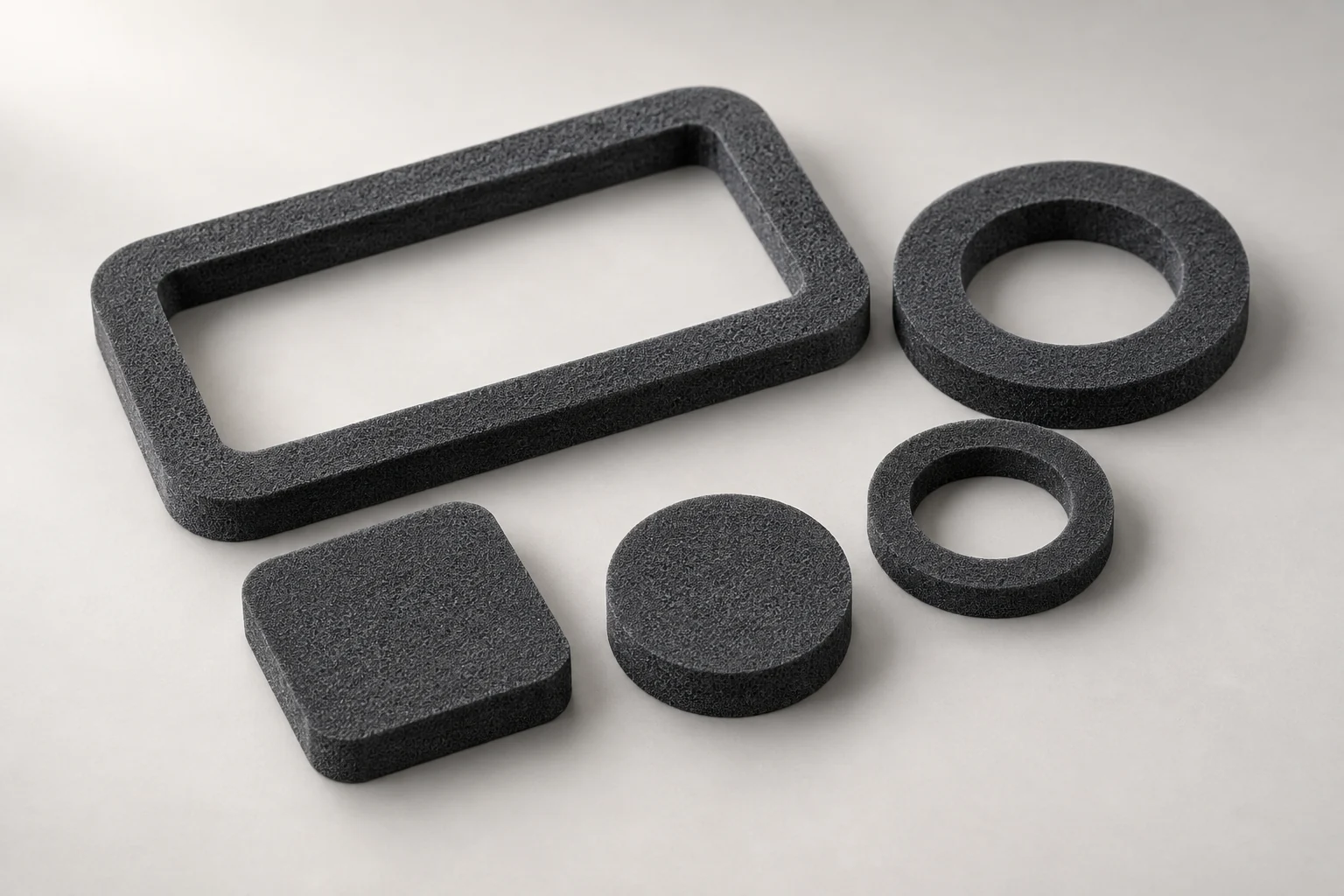
02 / 05
Sealing & Cushioning Components
Foam, rubber and silicone parts for sealing, cushioning and gap management.
Explore Components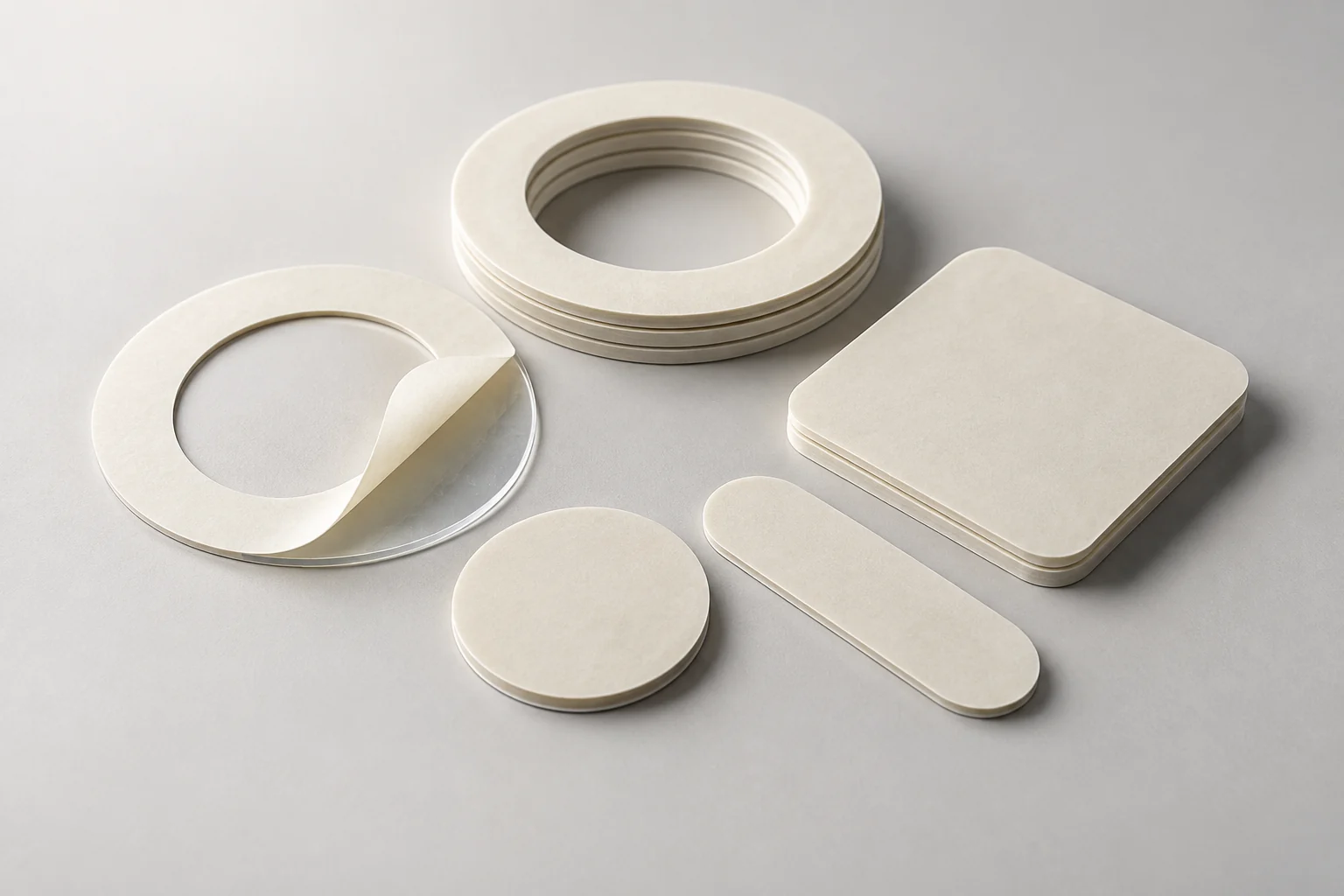
03 / 05
Adhesive Functional Components
Die-cut adhesive parts for bonding, mounting and multi-layer assemblies.
Explore Components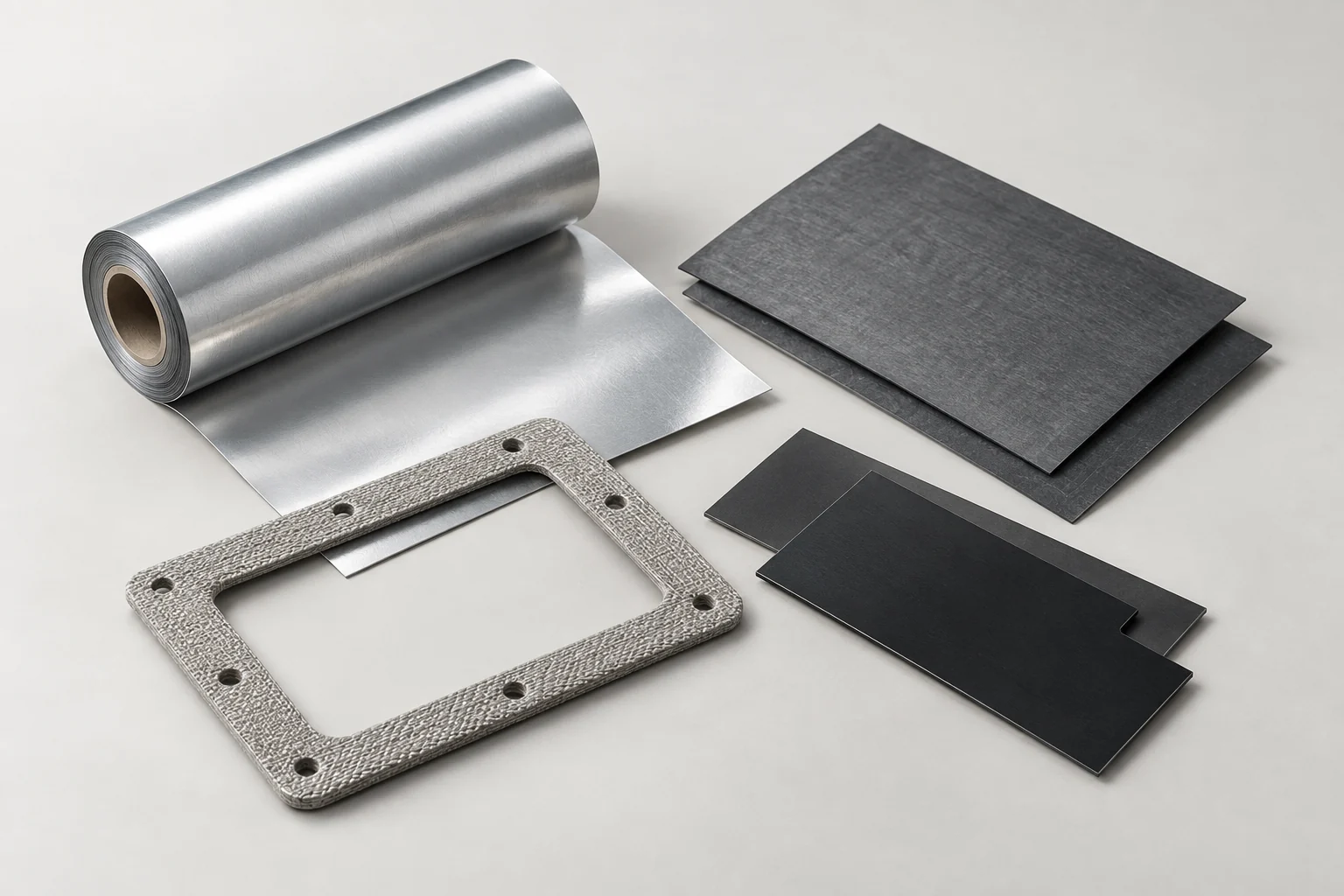
04 / 05
EMI Shielding & Magnetic Shielding Components
Conductive and shielding parts for managing interference in electronic assemblies.
Explore Components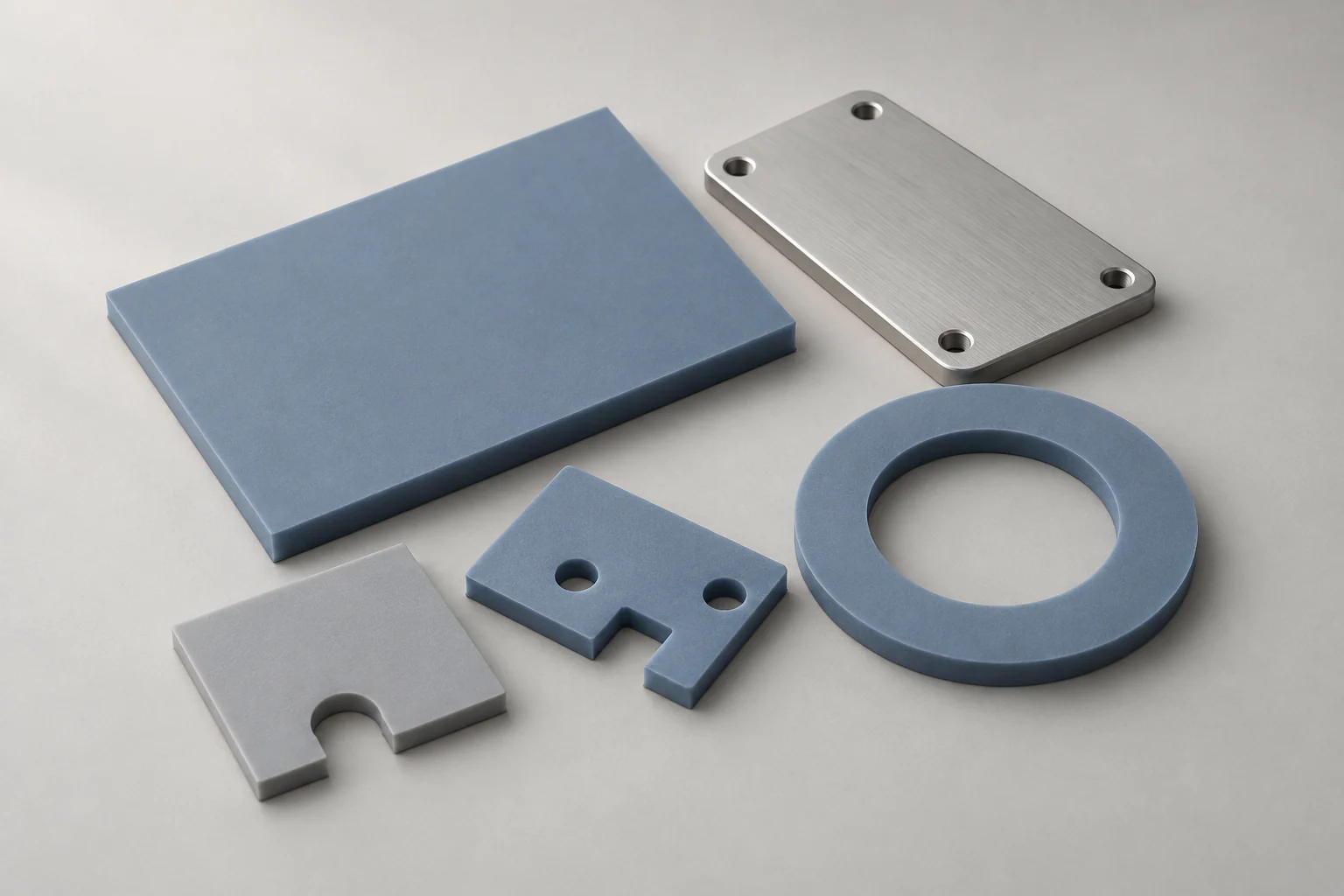
05 / 05
Thermal Management Components
Thermal gap pads and interface parts for heat transfer and gap filling.
Explore ComponentsPOPULAR DIE-CUT COMPONENTS
Explore specific die-cut parts.
Start with a defined material and component form, then share your drawing and assembly requirements.
ENGINEERING FIRST
Defined by function, material and geometry.
Three essentials guide a custom component brief.
Function
What must it do?
Material
What properties are required?
Geometry
How must it fit the assembly?
MATERIALS
Materials We Convert
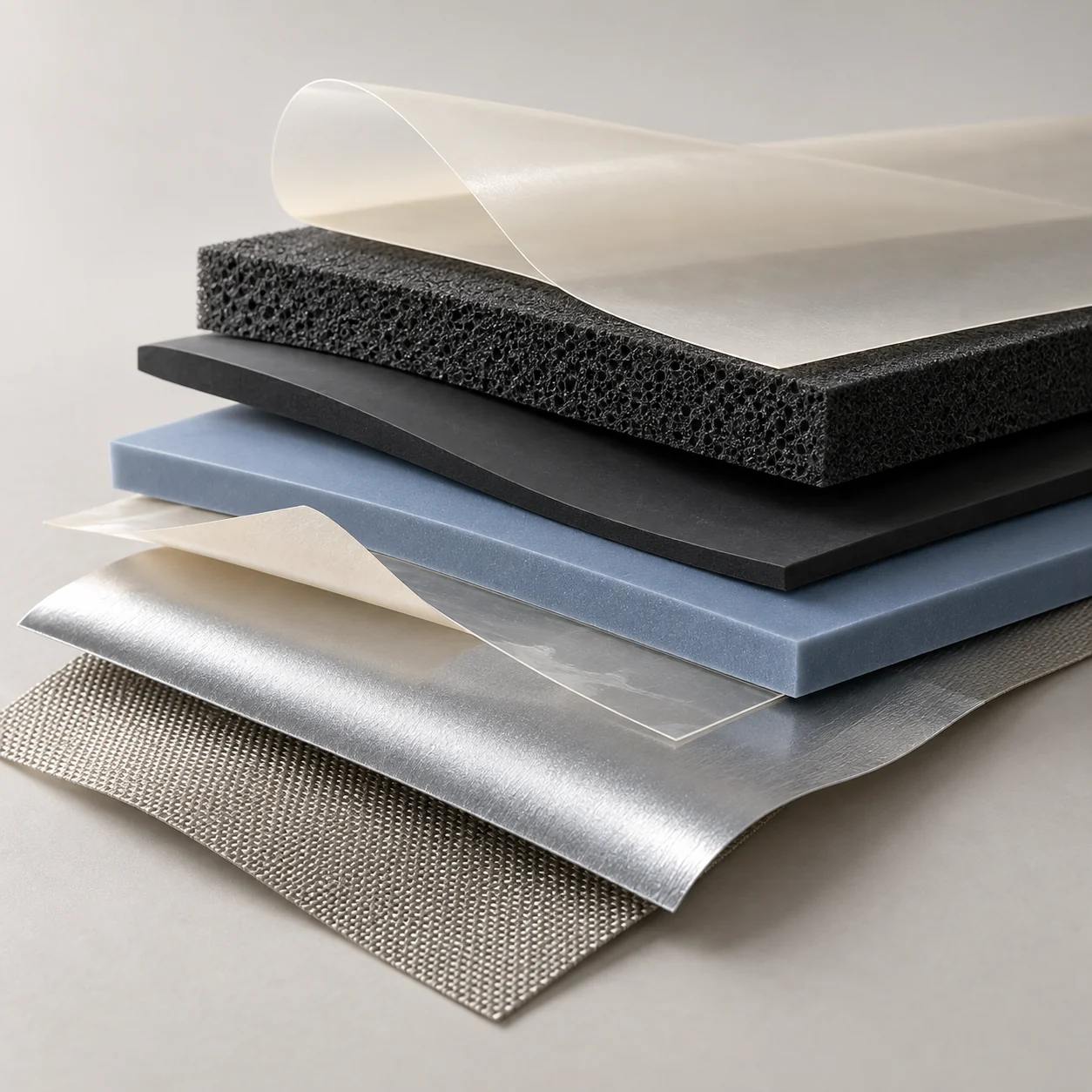
Material choice follows the function and operating conditions. Explore the main material families used for custom die-cut components.
- Insulation Materials
- Foam, Rubber & Silicone Materials
- Adhesive Materials
- Conductive & Shielding Materials
- Thermal Management Materials
MANUFACTURING
Related Manufacturing Capabilities
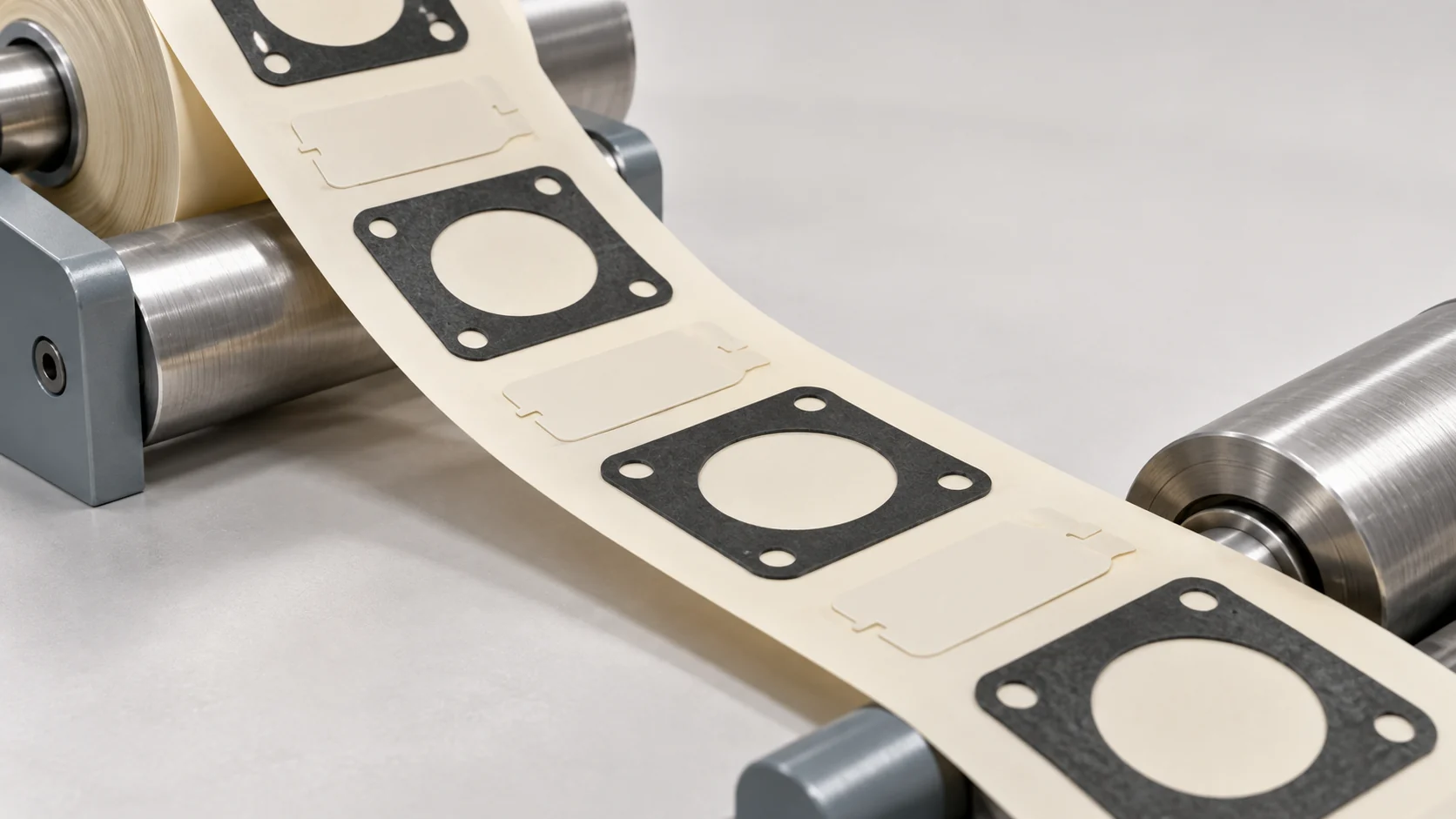
Precision Die Cutting
Custom profiles and openings, with prototyping and low-volume options to discuss.
Lamination & Bonding
Adhesive-backed parts and multi-layer die-cut assemblies where specified.
Quality & Tolerance Control
Review and checks defined against the drawing and agreed project requirements.
PRODUCT SELECTION
Choose by the function first.
The right category begins with what the part must do. Material and geometry then refine the construction.
Explore Applications- Need insulation?Electrical Insulation
- Need sealing or cushioning?Sealing & Cushioning
- Need bonding?Adhesive Components
- Need EMI control?EMI Shielding
- Need thermal transfer?Thermal Management
FAQ
Product Questions, Answered
Practical starting points for a custom die-cut parts project.
What types of die-cut components do you manufacture?
Our five product families cover electrical insulation, sealing and cushioning, adhesive functional parts, EMI and magnetic shielding, and thermal management. Each part is specified for its function and assembly.
What materials can be converted into custom die-cut parts?
Material families include insulation films and sheets, foam, rubber, silicone, adhesives, conductive or shielding materials, and thermal interface materials. The suitable choice depends on your application.
Can you add adhesive backing to die-cut components?
Adhesive layers or release liners can be considered where the component design calls for bonding or placement. The construction is reviewed against the substrate and assembly method.
Can multiple materials be laminated into one component?
Yes, multi-layer constructions can combine specified films, foams, adhesives or other functional layers through lamination and bonding, subject to the project requirements.
Can you support prototypes before production?
Prototype and low-volume requirements can be discussed to review the shape, fit and material construction before a production plan is agreed.
What information should I provide for a quotation?
Share a drawing or sample, the intended function, material or thickness requirements, dimensions, application conditions and estimated quantity. Note any adhesive or critical fit requirements.
How do I choose between foam, insulation, adhesive, shielding or thermal materials?
Start with the function: sealing or cushioning, electrical separation, bonding, interference control or heat transfer. Then assess the environment and assembly geometry before selecting a material.
Can you manufacture components from customer drawings or samples?
A drawing or physical sample provides a useful starting point. We can review the geometry, materials and functional requirements needed to define a custom component.
START A PROJECT
Have a Custom Die-Cut Component Project?
Send us your drawing, material requirements, application details and estimated quantity for review.
Request a Quote