
Die-Cut EMI Absorber Sheets
Custom die-cut EMI absorber sheet profiles can be reviewed for application-specific near-field noise control. Material grade, target frequency, thickness, placement and optional adhesive are checked against supplier data and the assembly.
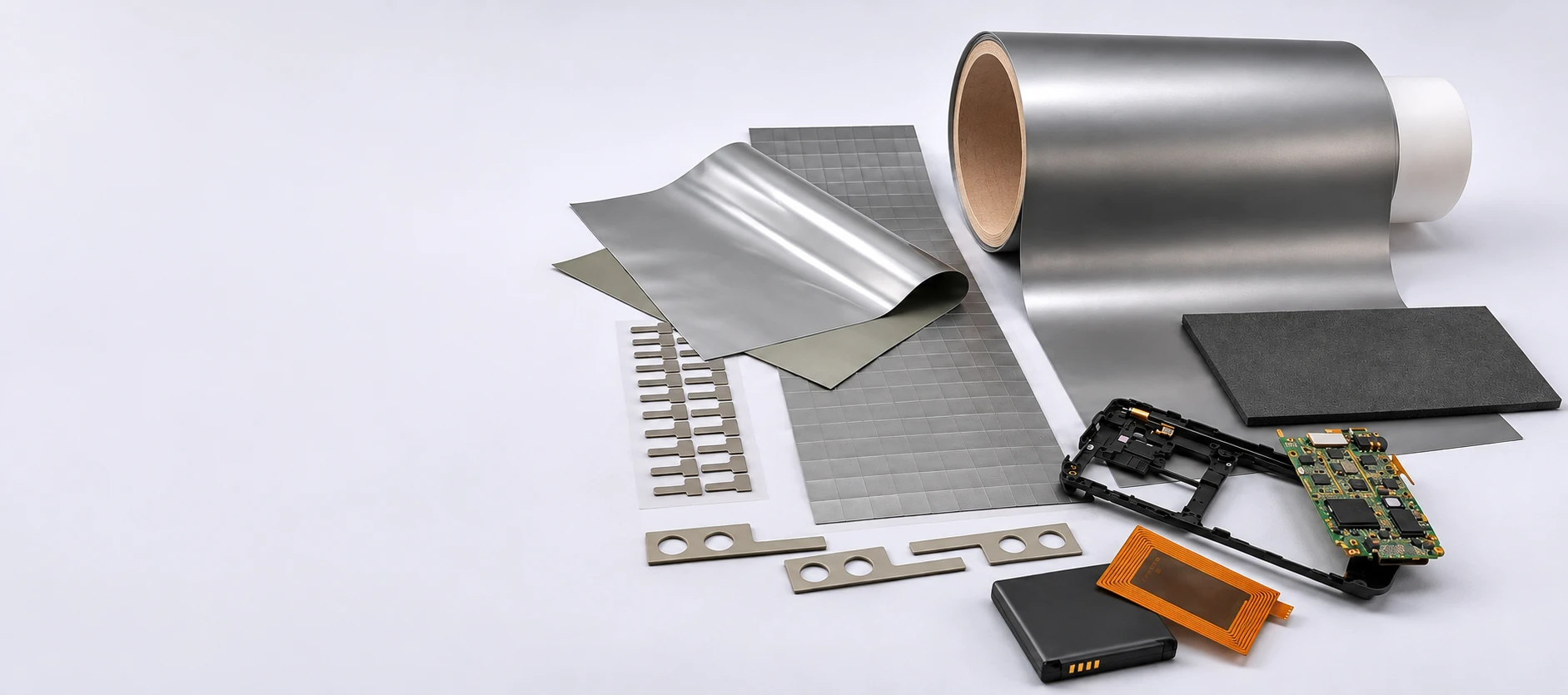
EMI Absorption
TARGET FREQUENCY · NOISE SOURCE
Material Selection
GRADE · THICKNESS · RESPONSE
Assembly Fit
Placement, material grade and cut geometry are reviewed for the specified assembly.
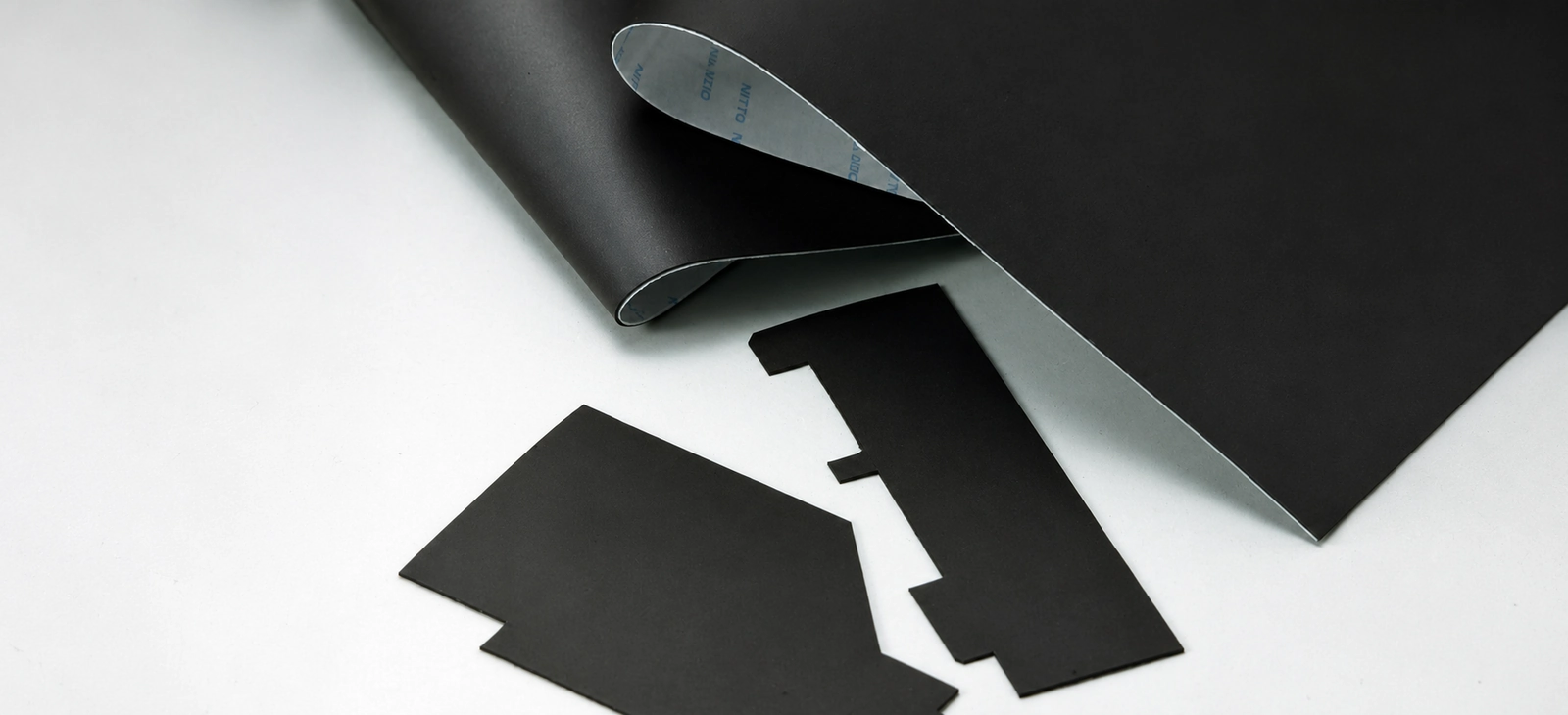
Die-Cut Absorber Parts for Defined Placement Areas
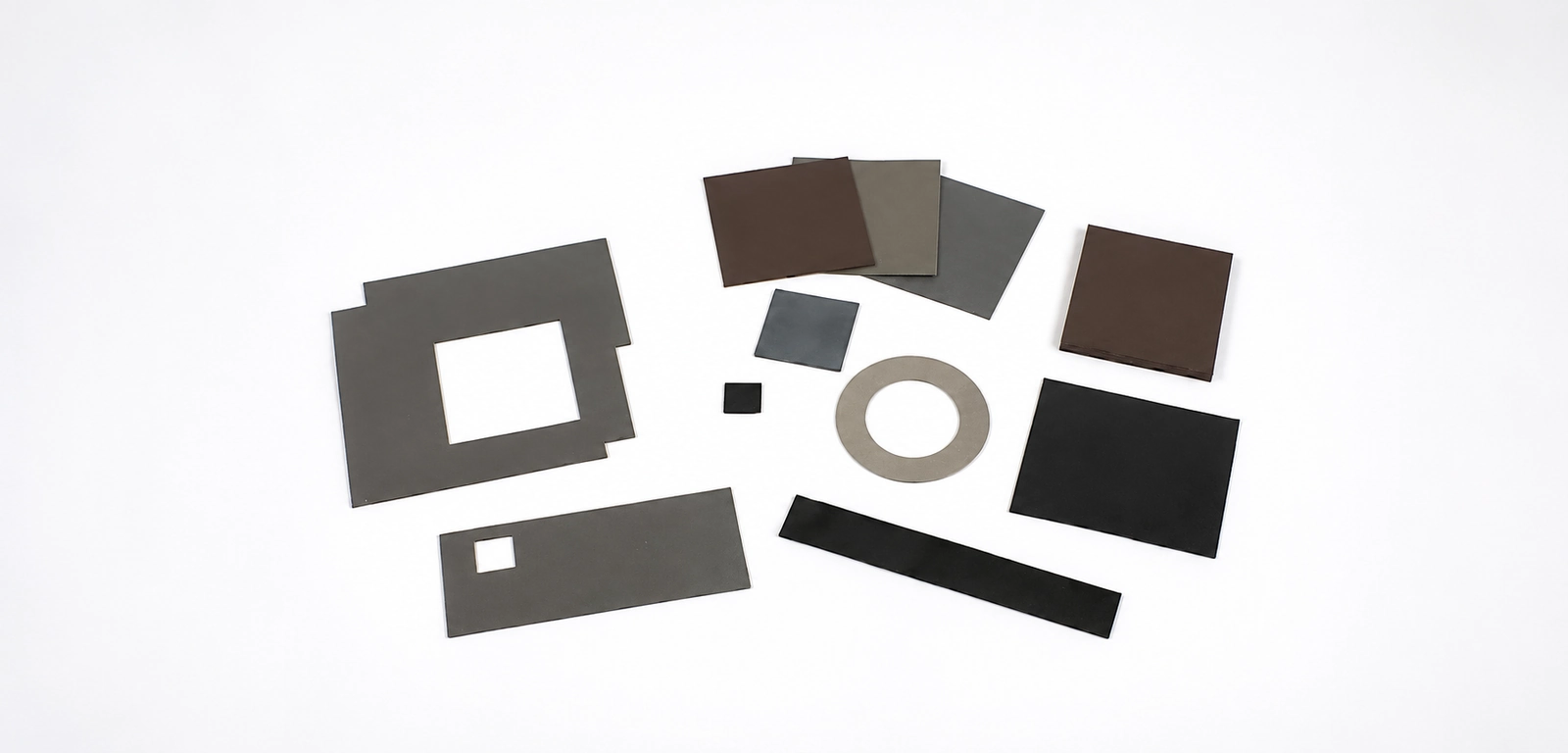
Customer-specified EMI absorber sheets may be evaluated for flat patches, strips, frames and profiles with holes or cutouts. The drawing should identify the noise concern, placement surface, available clearance and material construction. Grade, thickness, adhesive and cutting feasibility require confirmation before production.
Material & Construction Review
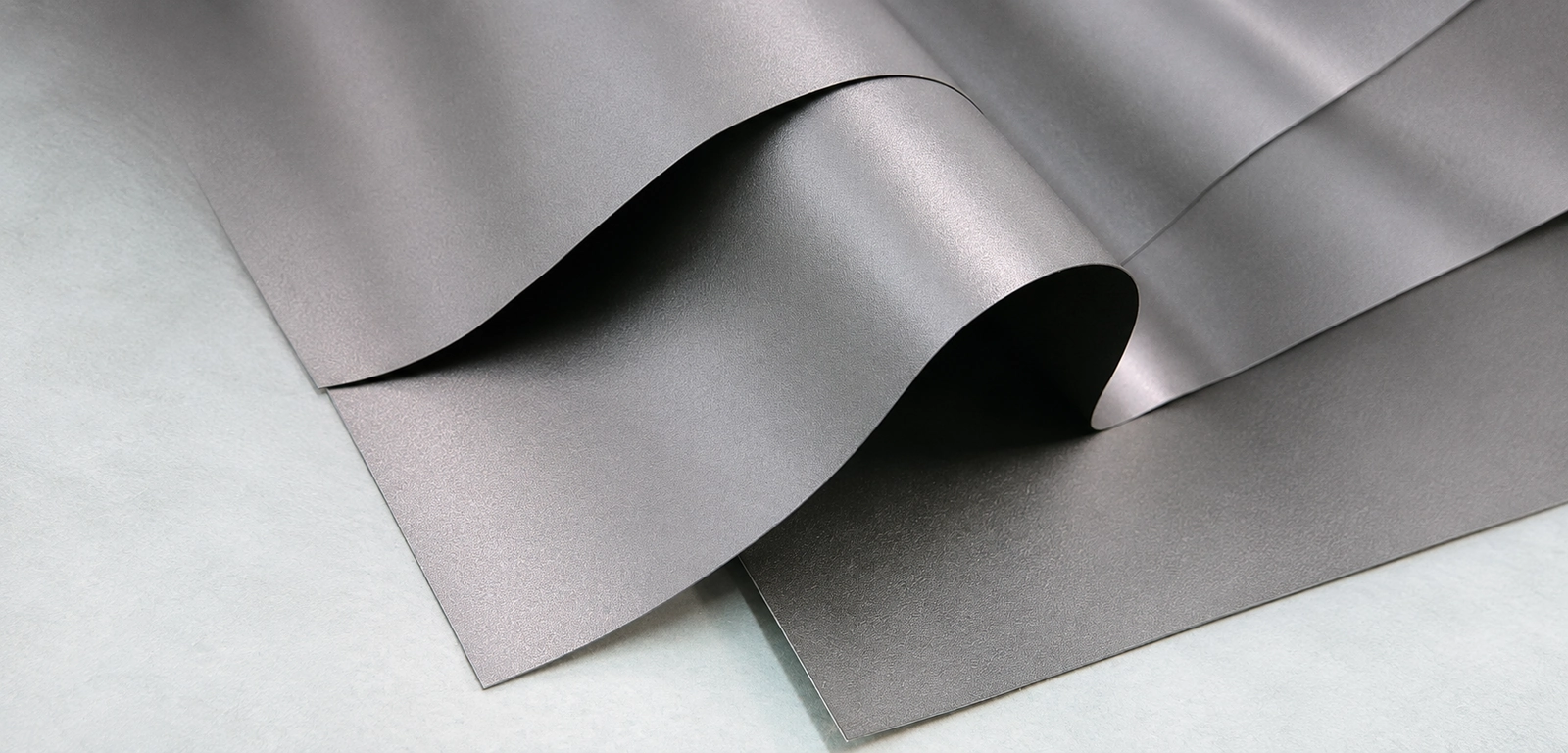
Absorber Sheet
Project-specified sheet grades need review of frequency-dependent response, thickness and application suitability using supplier data.
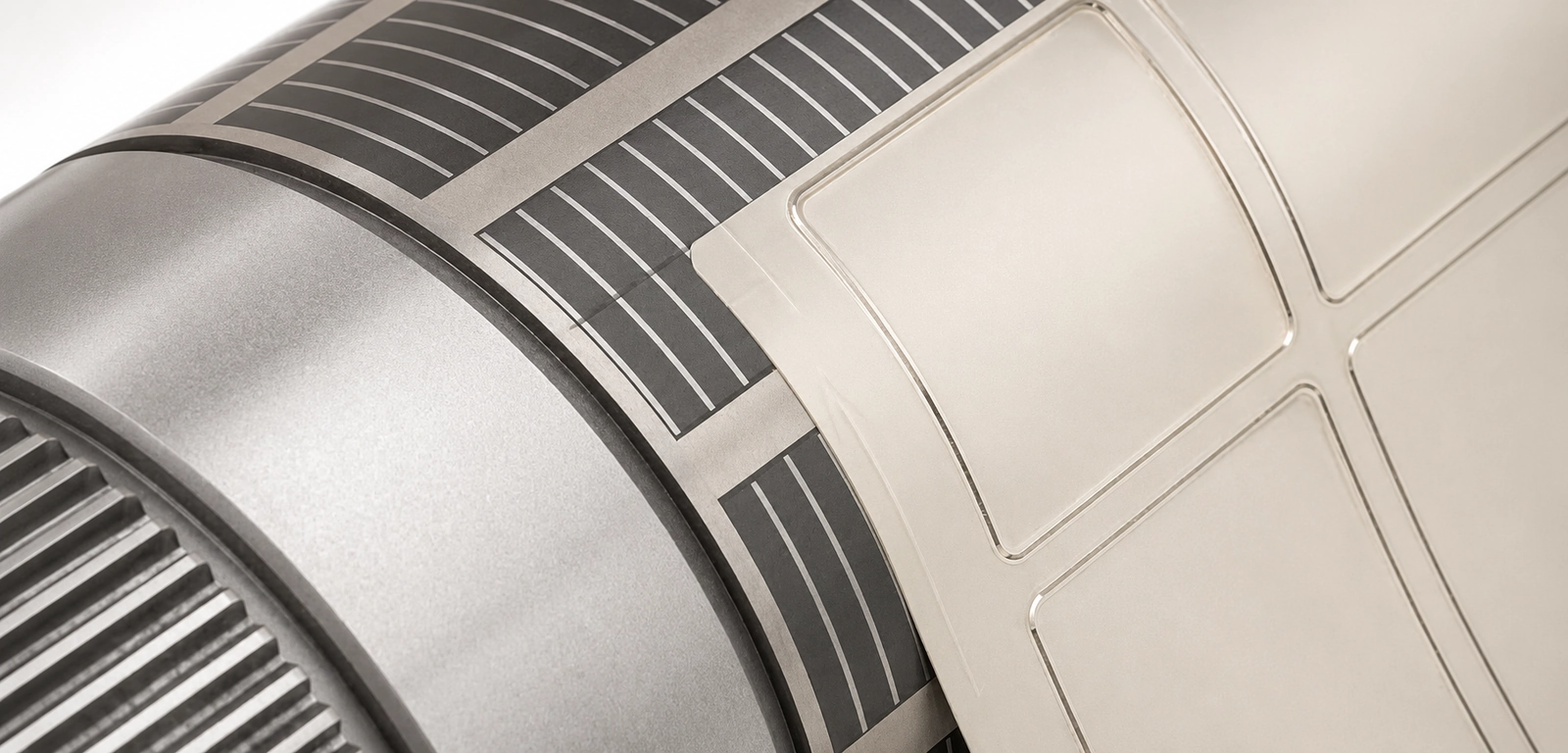
Cut Profiles
Flat patches, strips, frames, holes and cutouts follow the drawing; feature size and edge handling depend on the chosen grade.
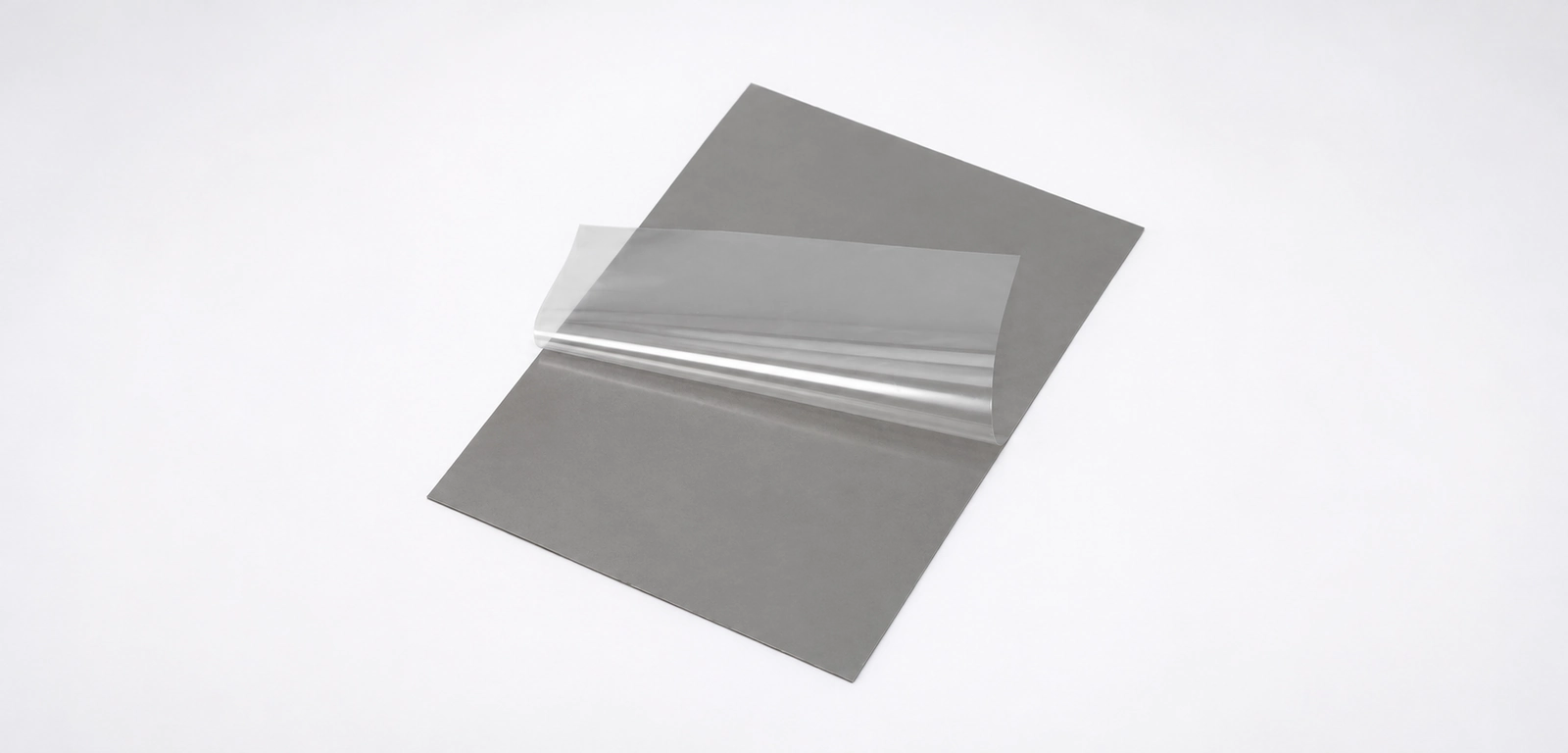
Adhesive Backing
Where specified, adhesive, mounting substrate, total thickness and liner release need review for the selected absorber construction.
Project-Specified Grade
Supplier documentation and converting feasibility are evaluated separately from installed EMI performance.
Engineering
Considerations
Frequency & Function
Identify the noise concern, relevant frequency range and intended placement for material review.
Grade & Thickness
Compare grade-specific properties and available thickness against supplier data and installation clearance.
Geometry & Attachment
Define profile, critical dimensions, mounting surface, adhesive coverage and liner-removal needs.

How We Manufacture Them

Precision Die Cutting ↗
Review sheet thickness, flat profiles, holes, narrow features, cut edges and handling before confirming the cutting method.
Lamination & Bonding ↗
Evaluate compatible adhesive, support film and release-liner constructions where specified by the material and assembly.
Quality & Tolerance Control ↗
Define material identity, thickness, critical dimensions, edge condition and layer checks against agreed requirements.
EMI Absorber Sheet FAQs
Practical answers for drawing review, materials and quotation planning.
What is an EMI absorber sheet?
An EMI absorber sheet is a material designed to interact with electromagnetic fields and help manage unwanted energy within a specified frequency range and application. Some grades use magnetic or other lossy fillers in a polymer matrix. Actual performance depends on grade, frequency, thickness, placement and the surrounding assembly. An absorber is not a universal replacement for conductive EMI shielding.
How is an absorber different from conductive shielding?
Conductive shielding uses appropriately designed conductive barriers and interfaces to manage electromagnetic coupling. EMI absorbers rely on frequency-dependent loss mechanisms in selected locations. The two approaches may address different parts of an interference problem. Compare the noise source, frequency, geometry and equipment design when reviewing EMI shielding components.
How do I select an EMI absorber for a frequency range?
Identify the interference frequency or range and the location where unwanted coupling occurs. Compare candidate absorber grades using supplier data that describes frequency-dependent properties and test conditions. Materials are not equally effective across all frequencies. If the mechanism is unclear, measurement or application engineering review may be needed before selecting a sheet.
Does a thicker absorber always perform better?
No. Response depends on composition, frequency, field coupling, thickness and installation conditions. More thickness does not guarantee better performance at every frequency or location. Evaluate grade and thickness together with clearance and mechanical requirements, then confirm performance in a representative test arrangement.
Where should EMI absorber sheets be placed?
Depending on the interference problem, absorber sheets may be considered near selected noise sources, electronic modules, cables or enclosure surfaces. The suitable position depends on field distribution, frequency, nearby components and space. A generic product illustration cannot establish placement; evaluate the intended assembly.
Can EMI absorber sheets be die cut into custom shapes?
Suitable customer-specified grades may be evaluated for patches, strips, frames, holes and other drawing-defined profiles. Feasibility depends on composition, thickness, flexibility, filler characteristics, edge requirements and feature spacing. Some materials need support or special handling to avoid cracking or damage. Confirm grade and critical dimensions before tooling or production.
Can EMI absorber sheets include adhesive backing?
Some absorber constructions have adhesive backing or removable liners; others need separate review. Adhesive material selection should consider compatibility with the chosen sheet, mounting substrate, total thickness, operating conditions and placement method. Do not assume the adhesive must be conductive without grade-specific evidence.
Are ferrite sheets and EMI absorbers the same?
Not necessarily. Ferrite-based sheets may serve specific magnetic-field or flux-management functions, while other absorber sheets are designed for frequency-dependent electromagnetic loss. Materials described as ferrite or magnetic can differ in properties and intended uses. Review frequency, field behavior, grade and assembly before treating them as interchangeable.
Can absorber sheets guarantee EMC compliance?
No. A die-cut absorber part cannot independently guarantee that finished equipment meets EMC requirements. Results depend on the interference source, frequency, material, placement and system design. Supplier material data can help identify candidates; final performance requires suitable equipment-level measurement or validation. Agree test responsibilities for each project.
What information is needed for an EMI absorber quote?
Share a drawing or sample, the intended EMI concern, known frequency range, preferred grade or supplier datasheet, installation space and thickness limit. Include dimensions, critical cut features, mounting surface, adhesive or liner needs, operating conditions and estimated quantity. If no material has been chosen, describe the equipment and noise concern for an initial feasibility review.
Have an EMI Absorber Sheet Project?
Share the interference concern, relevant frequency range, installation area, material specification if available, thickness limit, drawing and estimated quantity for an initial review.