ABOUT TC COMPONENTS
About TC Components
TC Components focuses on custom functional die-cut components for electronic, electrical and industrial equipment, combining material selection, precision converting and project-specific verification.
WHAT WE DO
What We Do
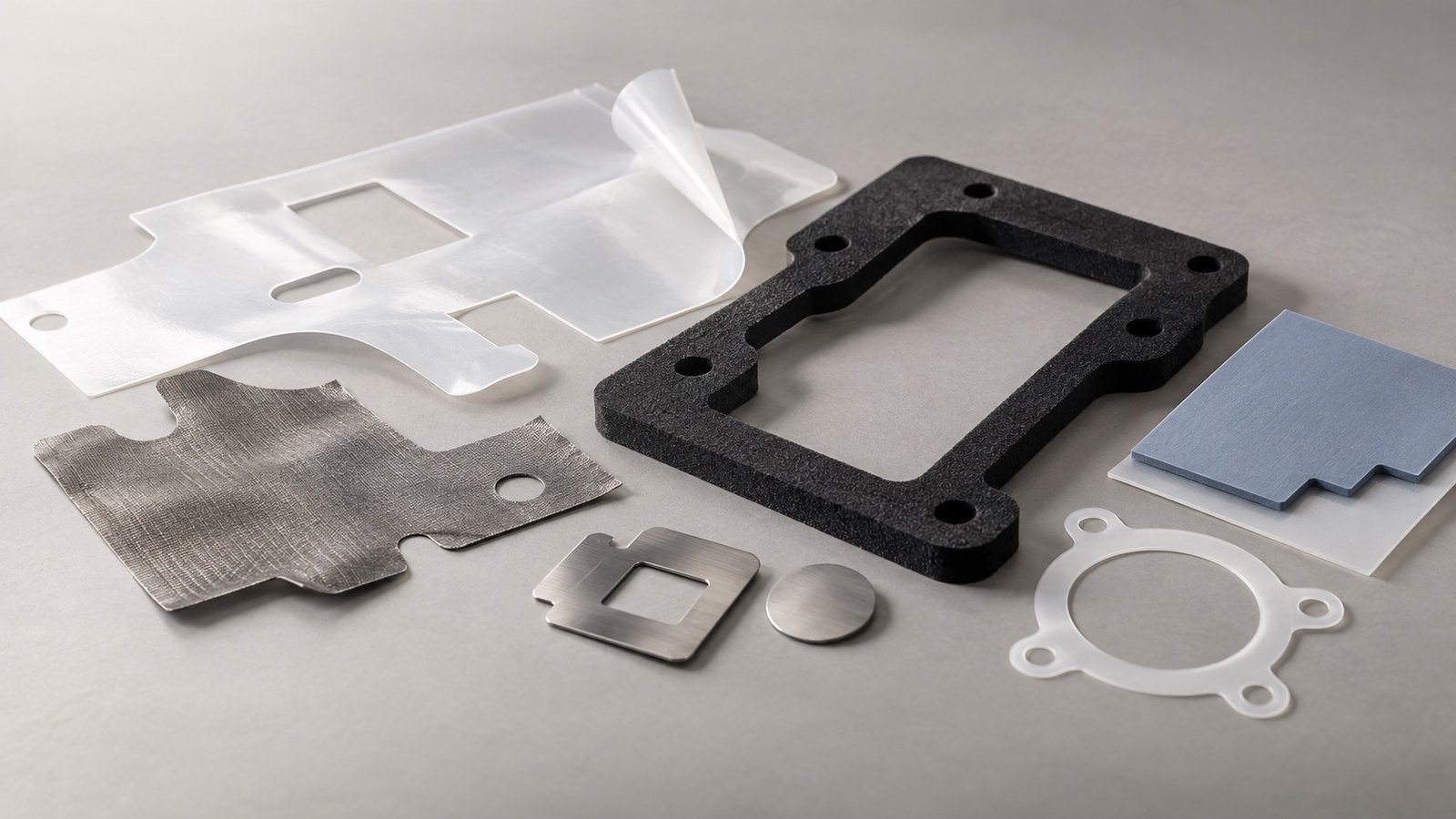
TC Components develops and manufactures custom functional components from flexible industrial materials through precision die cutting, lamination and related converting processes.
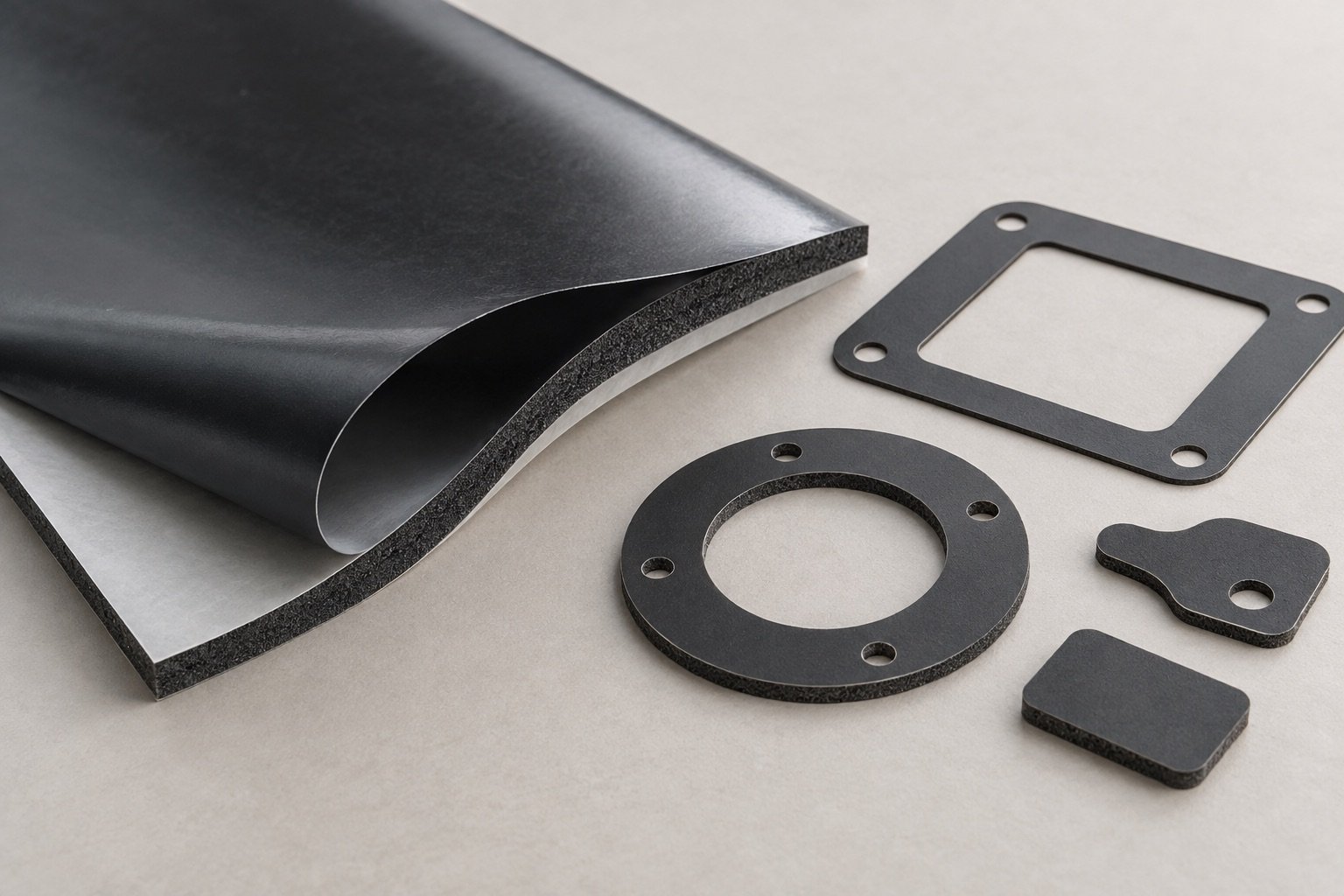
The work begins with the function a part needs to perform in its assembly.
- Insulation
- Sealing
- Cushioning
- Bonding
- Shielding
- Thermal management
COMPONENT FAMILIES
What We Manufacture
Five functional component families, each shaped around a specified assembly role.
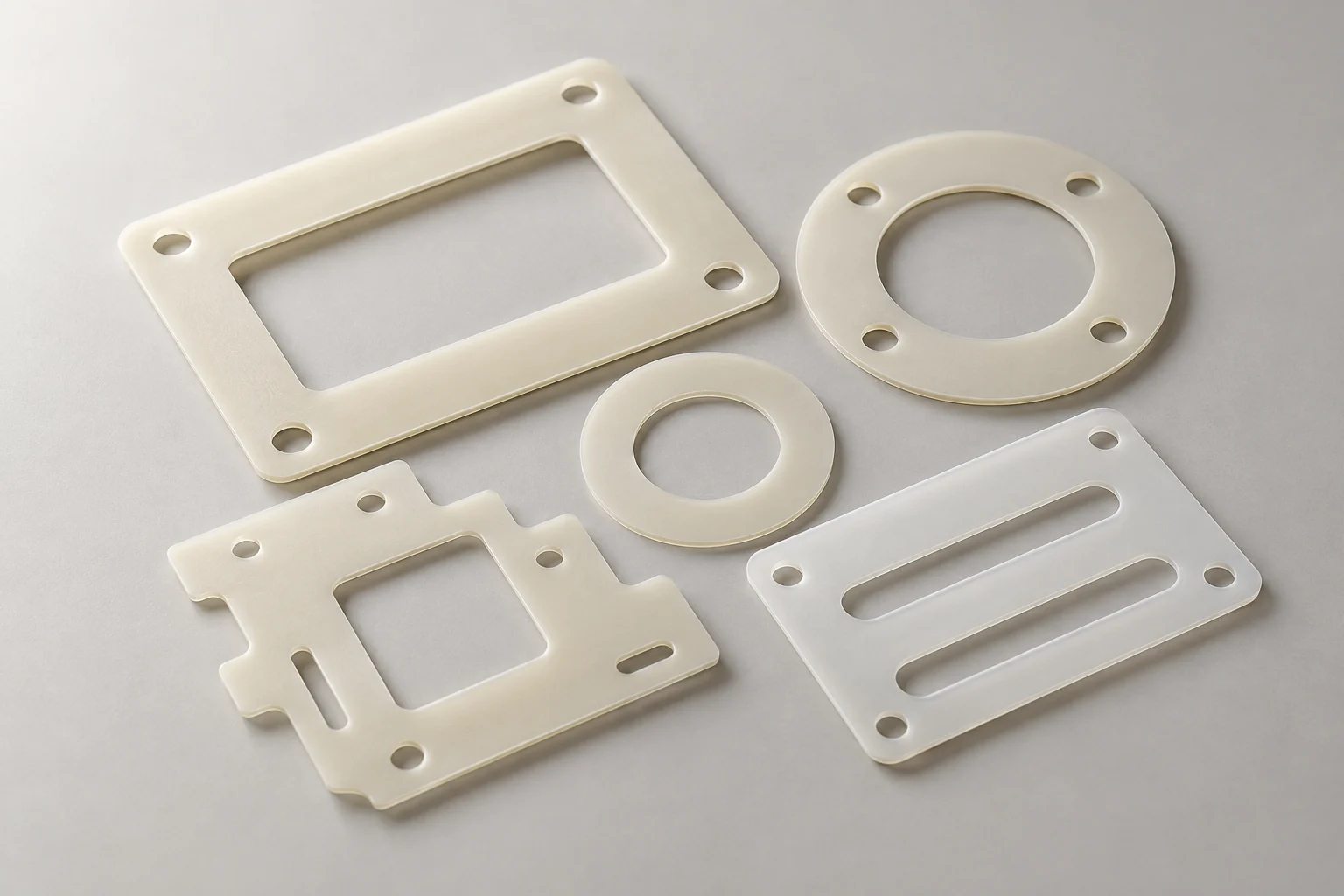
Electrical Insulation Components
Shaped films and sheets that define insulating barriers within an assembly.
Explore components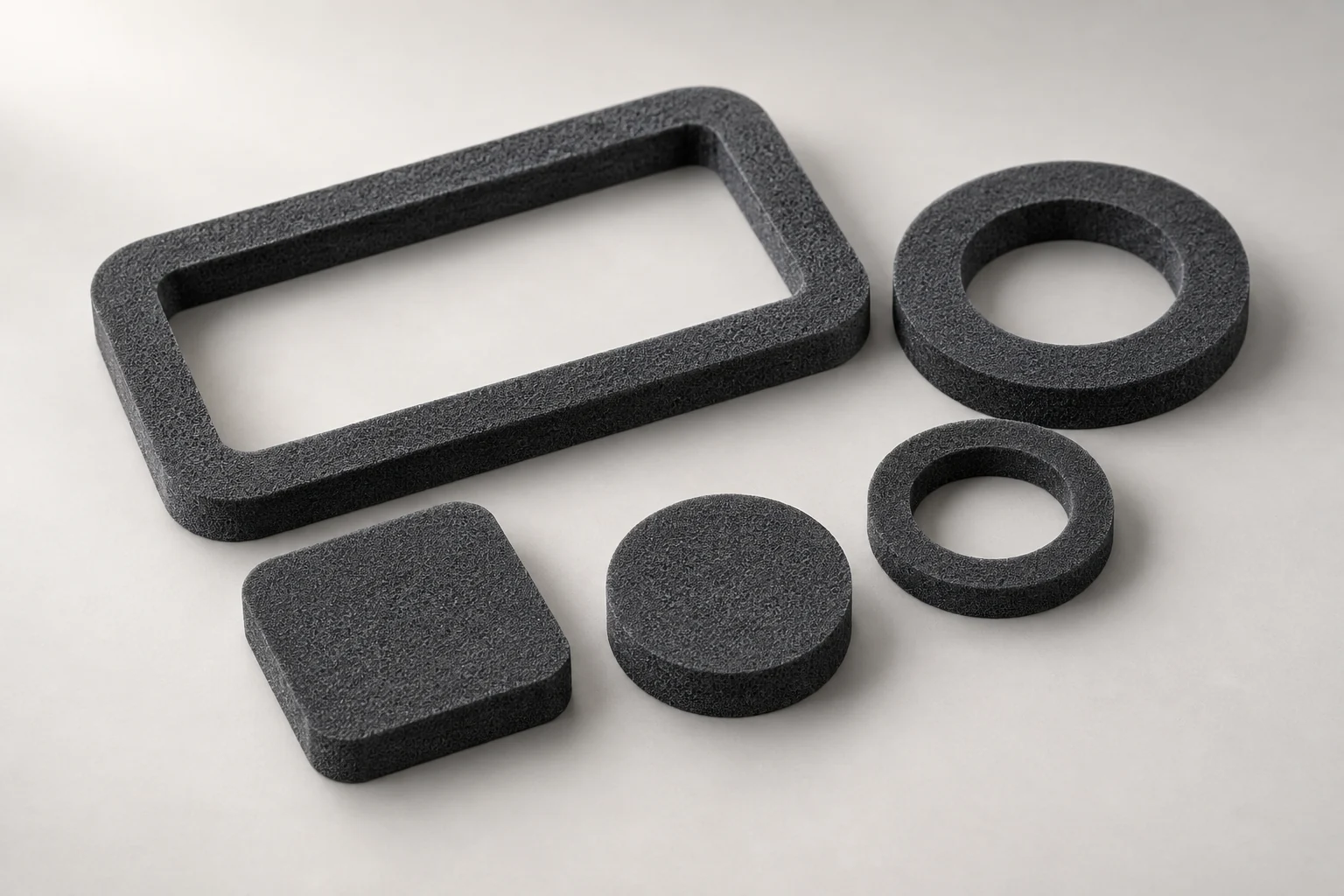
Sealing & Cushioning Components
Flexible gaskets and pads shaped for contact, compression and spacing.
Explore components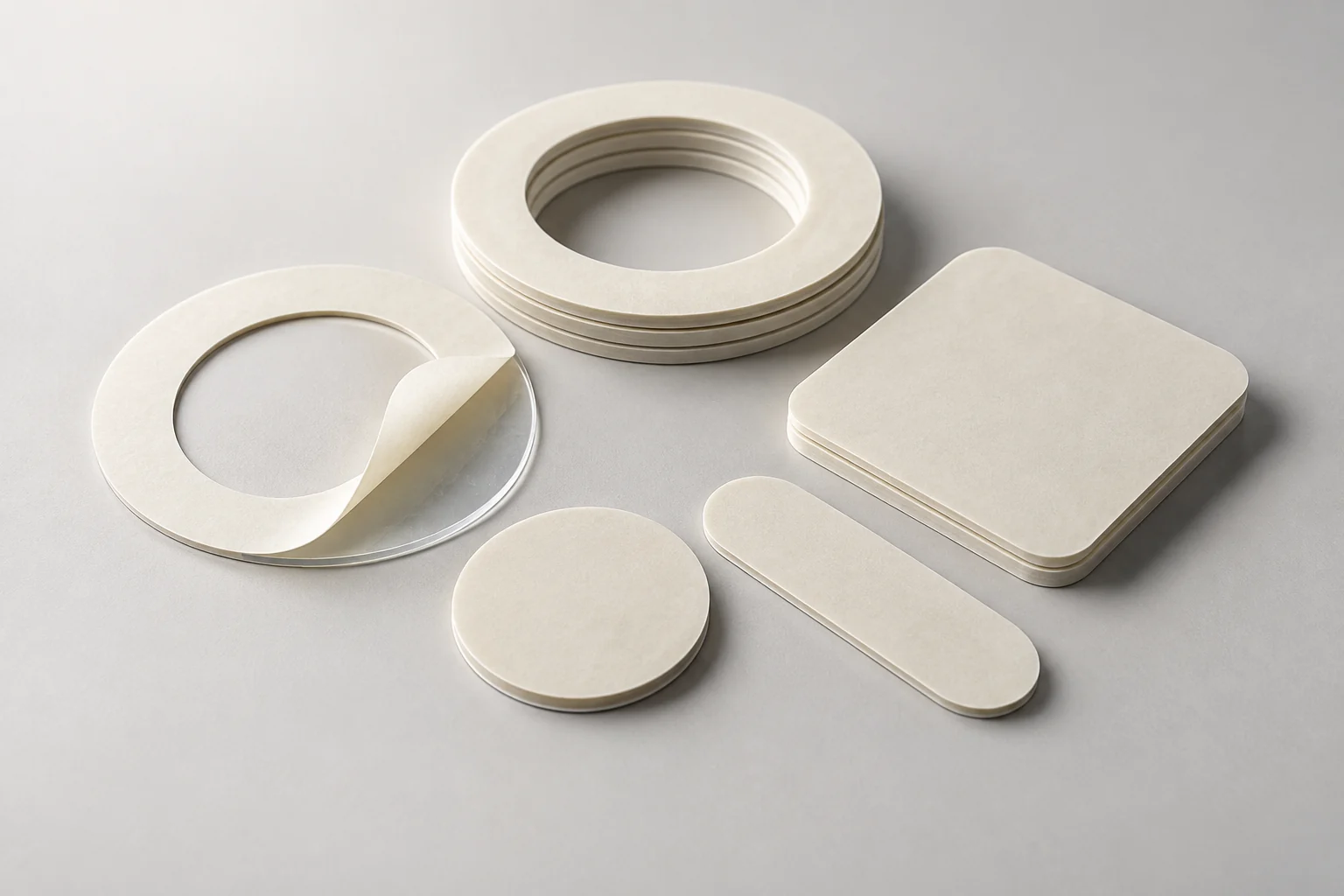
Adhesive Functional Components
Die-cut adhesive layers that position or bond functional elements.
Explore components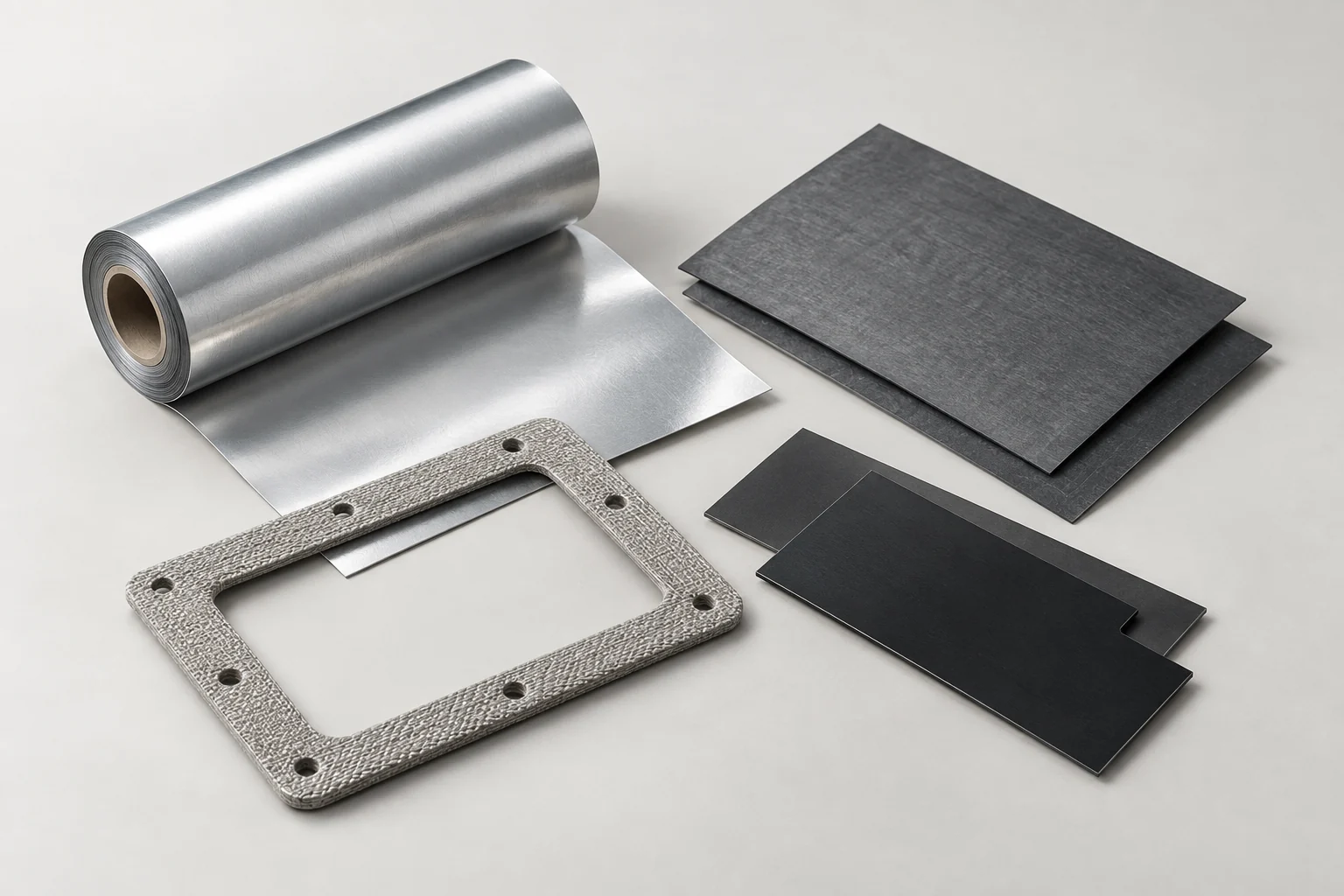
EMI Shielding & Magnetic Shielding Components
Shielding forms shaped for a specified assembly interface.
Explore components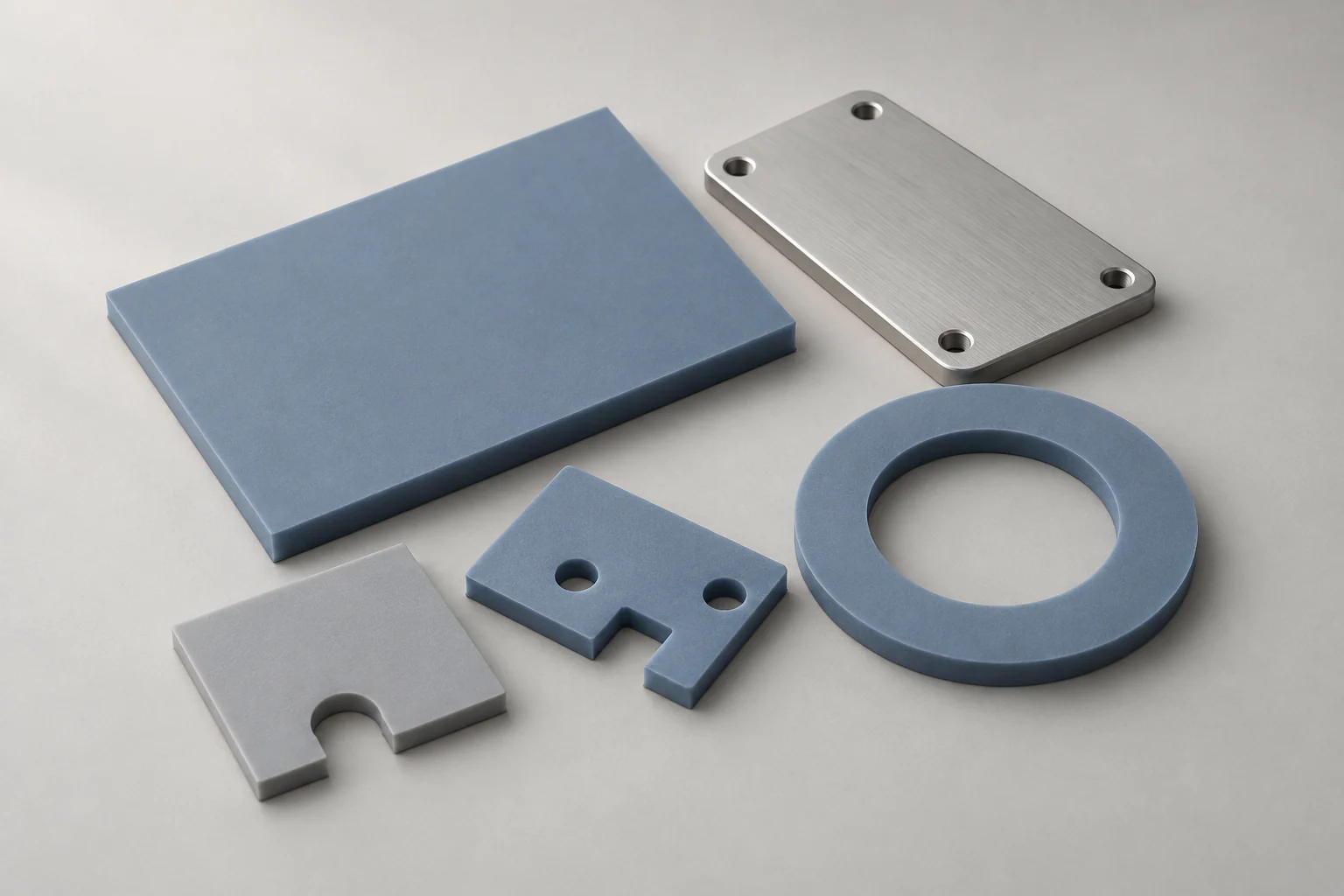
Thermal Management Components
Die-cut thermal interface forms matched to contact geometry and compression.
Explore componentsMATERIAL FAMILIES
Materials We Work With
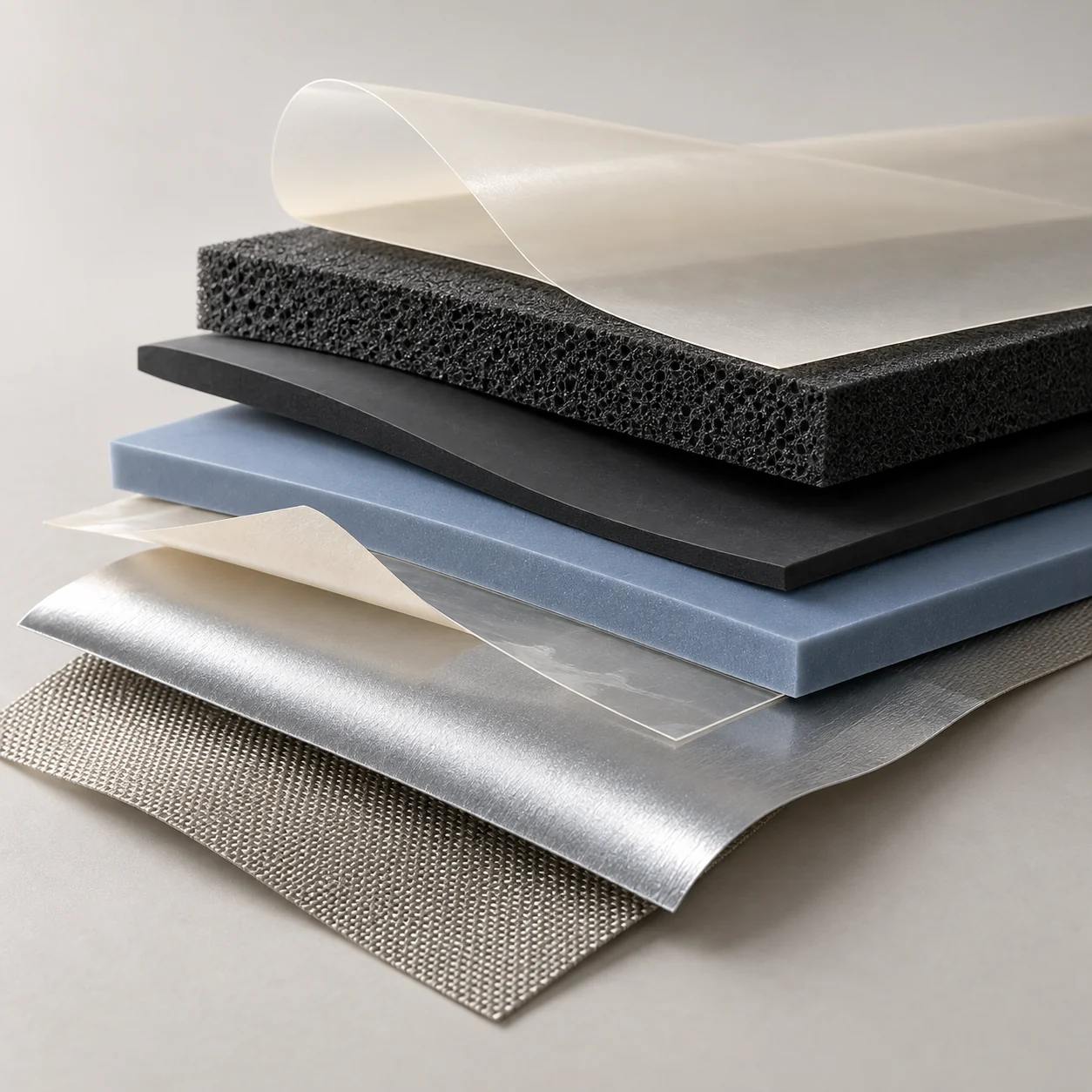
Material selection follows the function, thickness, geometry, assembly method and service environment. The goal is a suitable converted component, rather than raw material distribution.
- Insulation Materials
- Foam, Rubber & Silicone Materials
- Adhesive Materials
- Conductive & Shielding Materials
- Thermal Management Materials
CONVERTING CAPABILITIES
How We Manufacture
Three connected disciplines support a component from defined shape to assembled structure and verification.
Precision Die Cutting
Convert sheet and film materials into drawing-defined profiles, openings and features. Prototyping and low-volume requirements can be reviewed within the project.
Explore capabilityLamination & Bonding
Combine functional layers where the component needs an adhesive or multi-layer die-cut assembly.
Explore capabilityQuality & Tolerance Control
Review material, geometry and agreed inspection needs against the project drawing.
Explore capabilityEQUIPMENT CONTEXT
Applications We Support
Functional parts are specified for the needs of an assembly. Explore the current V1 application areas.
WORKING TOGETHER
How We Work With a Project
A clear drawing and functional brief give the project a useful starting point. The steps are adapted to the part and its requirements.
- 01
Requirement / Drawing
Define the function, assembly location and geometry.
- 02
Material & Structure Review
Review material family, thickness and any layered construction.
- 03
Prototype if Needed
Use a sample stage when it helps check fit or structure.
- 04
Production
Convert the agreed design into the specified part form.
- 05
Verification
Check agreed dimensions and visual requirements.
- 06
Delivery
Complete the project scope and supply the finished components.
ENGINEERING & QUALITY
Engineering & Quality Approach
The drawing, material and assembly requirement set the review. Verification is defined for the project rather than presented as a universal tolerance or inspection claim.
Quality & Tolerance Control01 Drawing and structure review
02 Material confirmation
03 Critical dimension review
04 Dimensional and visual inspection
05 First-article or other project-specific verification where applicable
WHY WORK WITH TC
Why Customers Work With TC
The value is in aligning the function, material and converting route with the actual assembly.
Function-first development
Start with what the part must do.
Multiple material families
Consider films, foams, elastomers, adhesives, shielding and thermal sheets.
Connected converting steps
Review die cutting and lamination as one component workflow.
Prototype to production
Discuss sample and production needs against the same drawing.
Project-specific review
Keep geometry, material and checks tied to the requirement.
MANUFACTURING SCOPE
A defined manufacturing scope.
TC Components focuses on customer-defined die-cut and laminated functional parts. The drawing, selected material and agreed verification needs define each project—not a stock catalog of equipment or raw materials.
FAQ
Questions about working with TC.
Practical answers for engineering and procurement teams.
What does TC Components manufacture?
TC Components manufactures custom functional die-cut parts used for insulation, sealing, cushioning, bonding, shielding and thermal management in equipment assemblies.
What types of materials do you convert?
Projects may use insulation films and sheets, foam, rubber, silicone sheet materials, adhesives, conductive or shielding materials, and thermal interface materials. Selection follows the application.
What manufacturing capabilities do you provide?
The current scope covers precision die cutting, lamination and bonding, and project-specific quality and tolerance control.
Can you work from customer drawings?
Yes. A drawing or sample helps define the profile, material, assembly interface and critical features to review.
Do you support prototypes or low-volume production?
Prototype and low-volume needs can be reviewed within a precision die-cutting project. The approach depends on geometry, material and quantity.
What equipment applications do you support?
The current application areas are power electronics, industrial automation, HVAC, electrical distribution and drives, LED lighting, and home or commercial appliances.
How do you control dimensions and quality?
The review begins with the drawing and material. Agreed checks may include dimensional and visual inspection, with first-article or other project-specific verification where applicable.
How can I start a project with TC Components?
Send your drawing or sample, application, functional requirements, material specification if available, and estimated quantity through the Request a Quote page.
START A PROJECT
Ready to Discuss a Custom Component Project?
Send us your drawing, material requirements, application details and estimated quantity for review.
Request a Quote