
Lamination & Bonding
Custom adhesive lamination combines compatible films, foams and pressure-sensitive adhesives for multi-layer die-cut components. Bonding surfaces, stack-up thickness and liner handling are reviewed for the intended assembly.

The Lamination & Bonding Process
A project-specific route from the drawing and stack-up through material review, converting and verification.
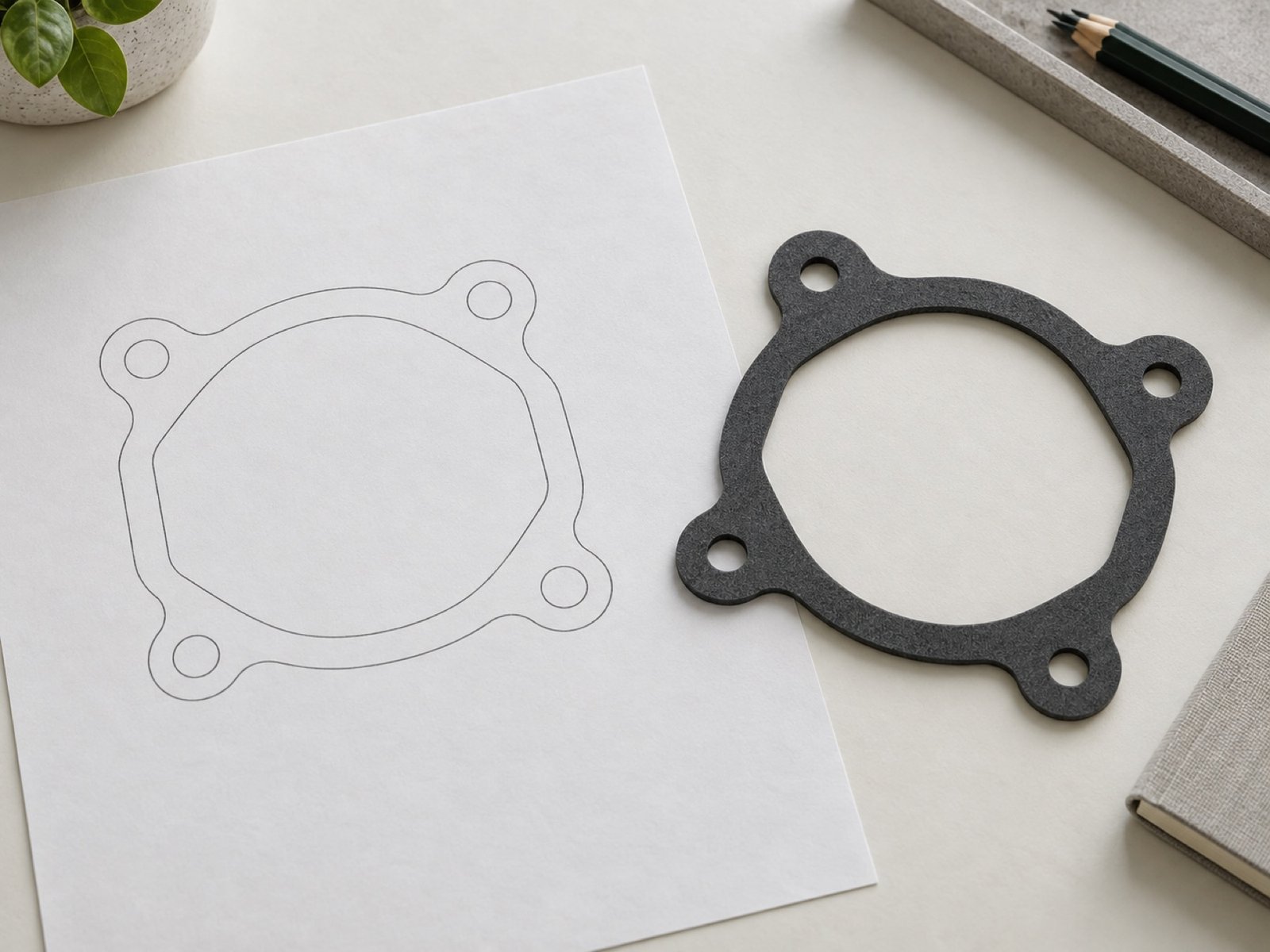
Drawing & Stack-Up Review
Define function, final profile, layer order and assembly surfaces.
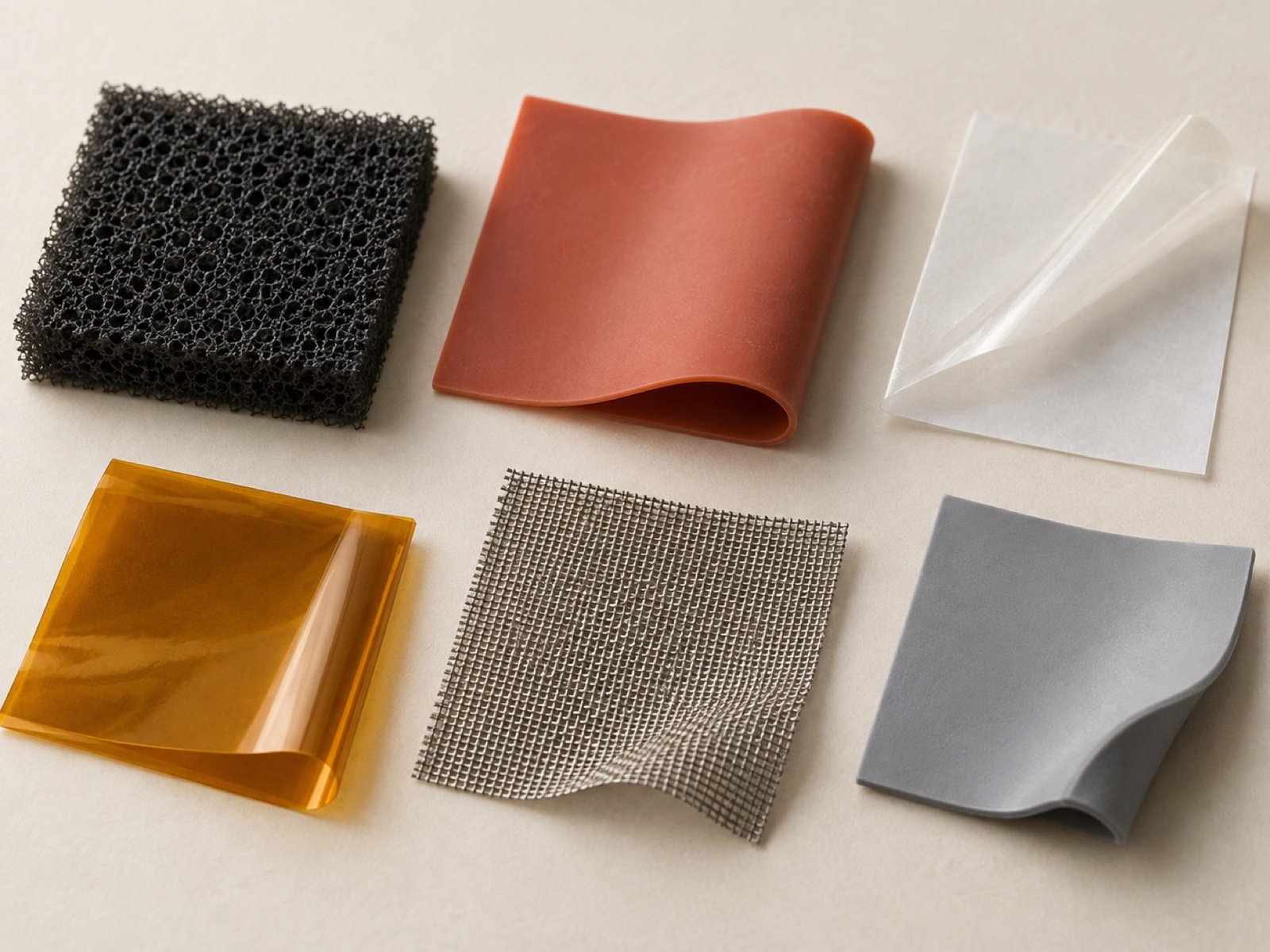
Material & Adhesive Review
Check grade, surface compatibility, adhesive type and liner needs.

Lamination Planning
Review layer interfaces, total thickness and handling format.
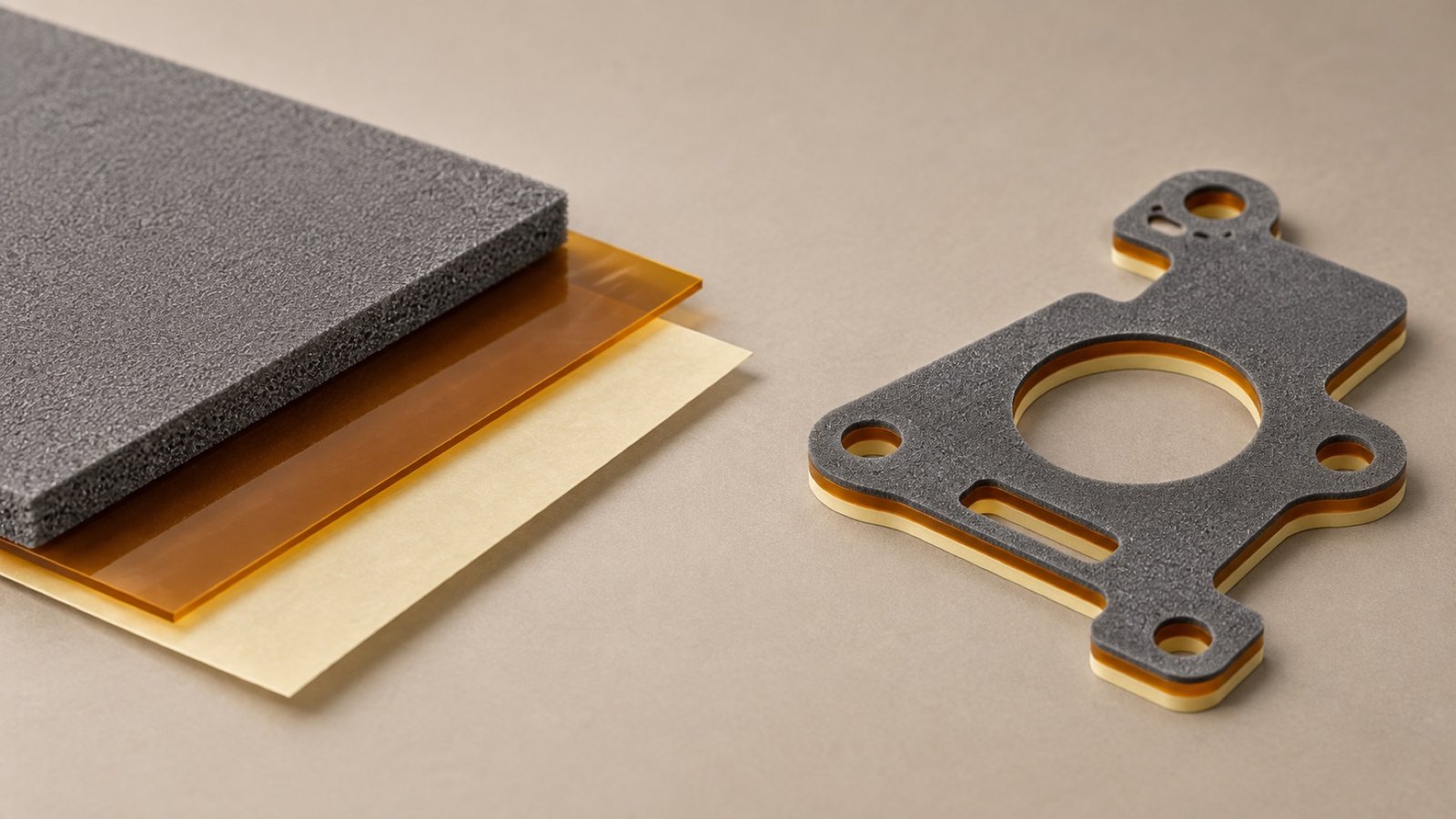
Converting & Alignment
Plan registration and cutting of the agreed layer construction.
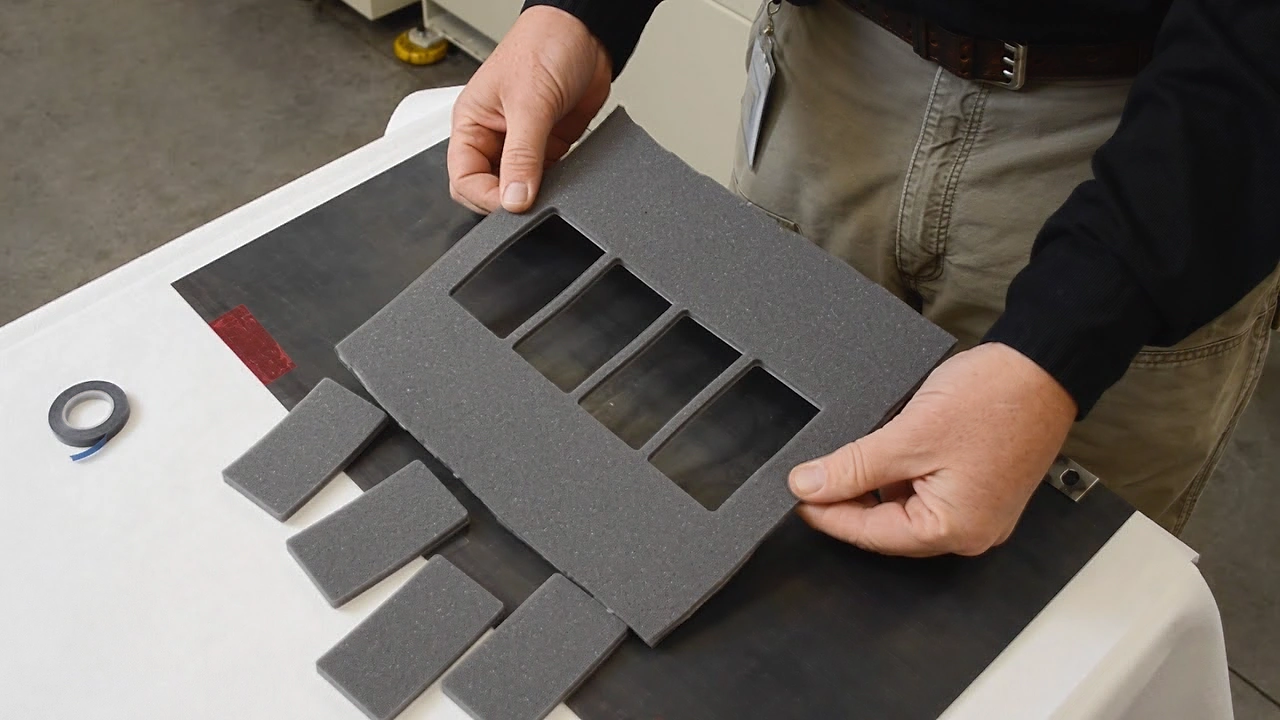
Quality Inspection & Delivery
Agree critical dimensions, visual checks and part presentation.
Illustrative site imagery. Transfer adhesive, double-sided constructions and release liners are reviewed against the bonding surface; layer sequence and delivery format are project-specific.
Materials & Constructions
Compatibility depends on the material grade, bonding surface, service conditions and intended assembly.
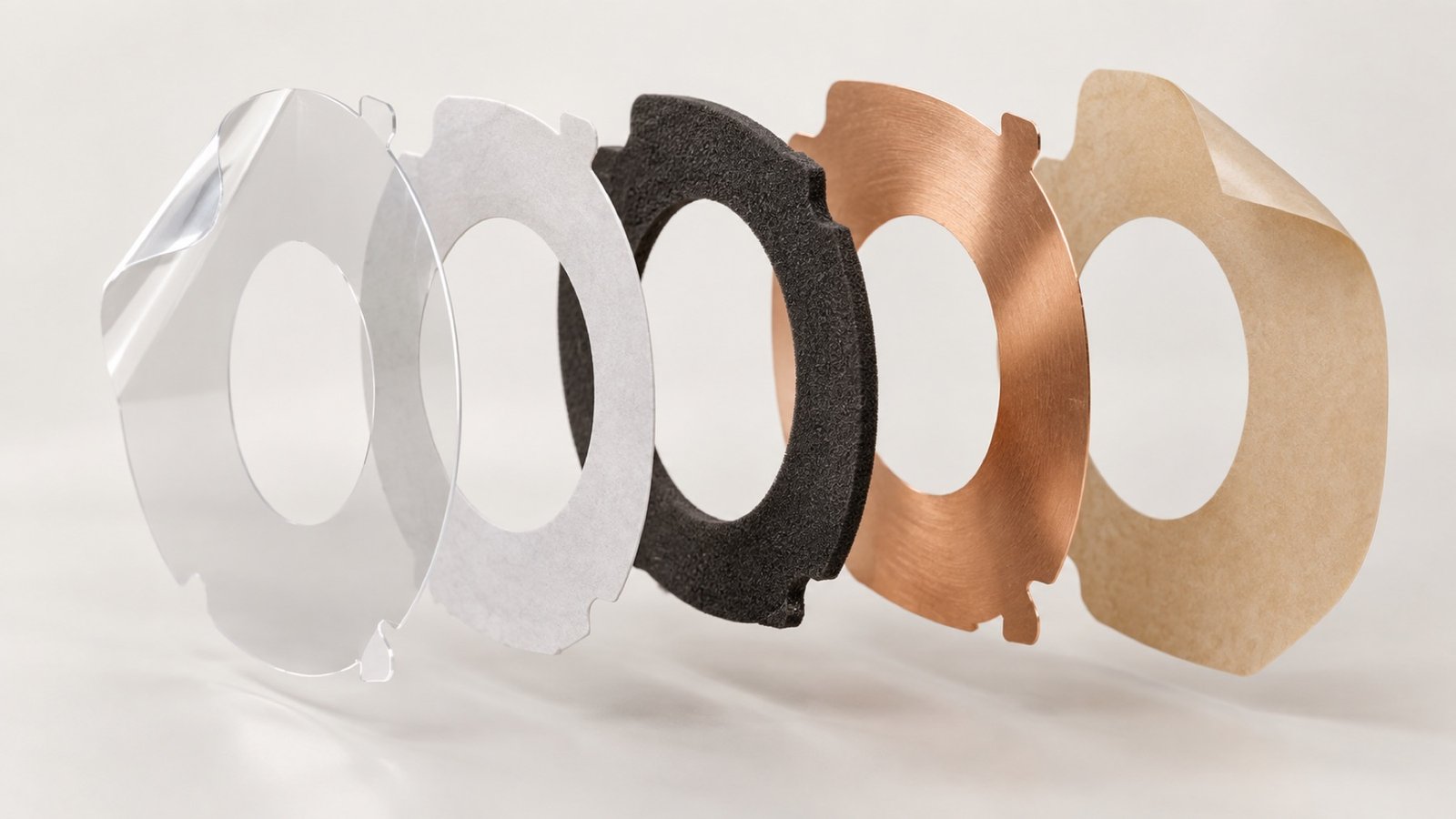
Layered Component Examples
Compatible films, foams, adhesives and functional layers can be reviewed as one construction.
Engineering Requirements
Define the interfaces and finished-part requirements before confirming a construction.
Adhesive selection, total thickness, registration and final cut profile are assessed for the actual assembly; no universal bond or alignment value is assumed.
Quality & Service Support
Connect layer construction, final converting and verification to the agreed drawing.
Lamination & Bonding FAQs
Practical answers for material stack-ups, adhesive interfaces and quotations.
What materials can be laminated before precision die cutting?
Compatible films, foams, rubber, silicone sheets, pressure-sensitive adhesives and selected insulation, shielding or thermal materials can be evaluated for lamination before die cutting. Material grade, surface properties, thickness and operating conditions determine whether a specific combination is suitable. The construction must be reviewed before selecting the converting process.
What is pressure-sensitive adhesive lamination, and when is it used?
Pressure-sensitive adhesive lamination combines a suitable adhesive construction with another material, such as film or foam, using controlled contact pressure. Transfer adhesives, carrier-backed double-sided tapes and release liners may be used depending on the design. Adhesive grade, surface preparation and bonding conditions must match the application before the laminated material is converted into finished parts.
How do you select adhesives for laminating foam, film, rubber or silicone?
Adhesive selection depends on the surface properties of each substrate, required bond performance, temperature and operating environment. Low-surface-energy or difficult-to-bond materials, including certain silicone surfaces, may require specialized adhesives or surface preparation. The proposed construction should be evaluated with the specified material grades and representative bonding surfaces.
Can insulation, foam, adhesive and shielding or thermal layers be combined in one die-cut component?
Multi-layer die-cut constructions can be evaluated when compatible materials are needed to perform different functions within one assembly. The design must define each layer's purpose, sequence, thickness and bonding interface. Adhesive placement must not compromise required electrical insulation, conductive contact or heat-transfer performance. Functional requirements should be validated for the final construction.
How are layer alignment, total thickness and registration tolerances controlled in laminated parts?
A layer stack-up drawing should define material grades, layer order, total thickness, critical alignment features and required tolerances. Material flexibility, compression, adhesive thickness and the selected process can affect dimensional control. Critical registration points and inspection criteria must be agreed before confirming achievable manufacturing tolerances.
What causes bubbles, wrinkles, edge lifting or delamination during adhesive lamination?
These defects can result from contaminated surfaces, incompatible materials, trapped air, uneven lamination pressure or unsuitable process conditions. Material tension, liner handling and adhesive behavior may also affect the result. The manufacturing route should be reviewed for appropriate surface preparation, contact conditions and project-specific inspection criteria to reduce these risks.
Can laminated materials be die cut with different cut depths or kiss-cut features?
Laminated constructions can be evaluated for full cutting or controlled-depth cutting, depending on material and process feasibility. Kiss cutting may allow selected layers to be cut while retaining an underlying release liner. The required cut sequence, layer thickness, adhesive behavior and critical geometry must be reviewed before confirming the tooling and cutting method.
What release liner, protective film and delivery formats can be used for laminated die-cut parts?
Release liners and protective films can help protect adhesive surfaces and support handling during converting and assembly. Sheet-based or roll-based delivery may be evaluated depending on the material construction and manufacturing route. Specify liner type, release direction, part orientation, spacing and removal sequence so the finished components can be reviewed for the intended assembly process.
How can laminated prototypes and bond quality be evaluated before production?
Prototype constructions can be evaluated to check layer alignment, total thickness, dimensional fit, cut quality and handling. Visual inspection may identify wrinkles, trapped air, edge lifting or liner damage. Where bond strength, aging or environmental performance is critical, representative testing methods, acceptance criteria and testing responsibilities should be agreed before regular production.
What information is needed to quote a custom multi-layer lamination and die-cutting project?
Share a drawing or layer stack-up, material grades and thicknesses if known, adhesive requirements, bonding surfaces, critical dimensions and alignment tolerances. Include release-liner needs, operating conditions, inspection requirements, prototype quantity and expected production volume. Tooling, minimum quantities, costs and lead times are evaluated against the proposed construction and manufacturing route.
Need a Laminated or Multi-Layer Die-Cut Component?
Send a drawing or sample, bonding surfaces, layer stack-up, liner needs and estimated quantity for review.