DIE-CUT COMPONENTS
Copper & Aluminum Foil Die-Cut Parts
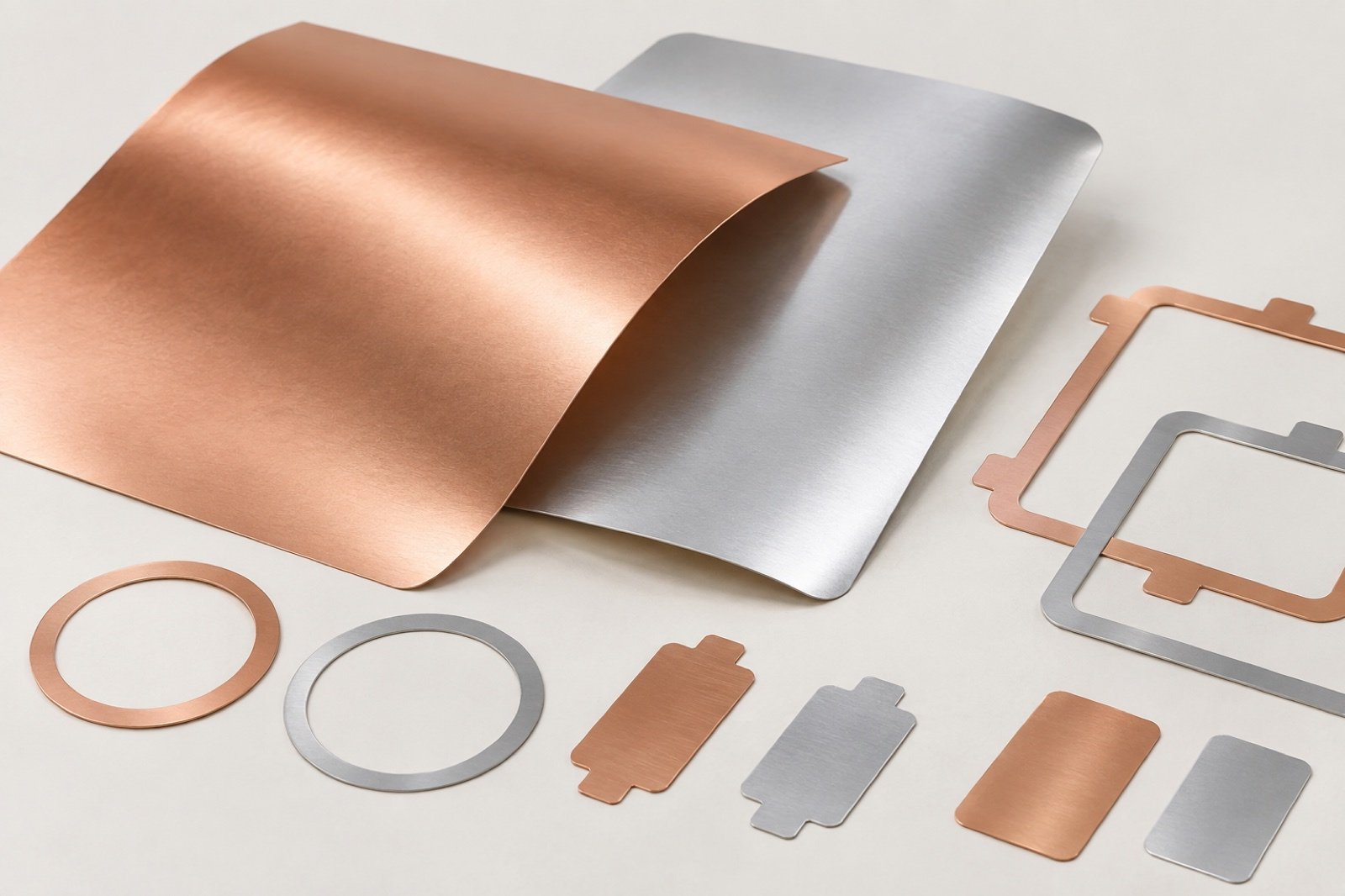
Custom copper or aluminum foil profiles for conductive, grounding and shielding interfaces.
PRODUCT OVERVIEW
A foil path cut to the contact geometry
Die-cut copper and aluminum foil parts place a thin metal layer where an assembly needs a conductive path, a ground connection or local shielding coverage. They can take the form of tabs, frames or custom shapes. The foil specification, edge geometry and contact arrangement must be defined together; a material name alone does not establish electrical performance.
COMPONENT FORMS
Typical Forms for Copper & Aluminum Foil Die-Cut Parts
Tabs, cutouts and edge clearances matter as much as the outer profile.
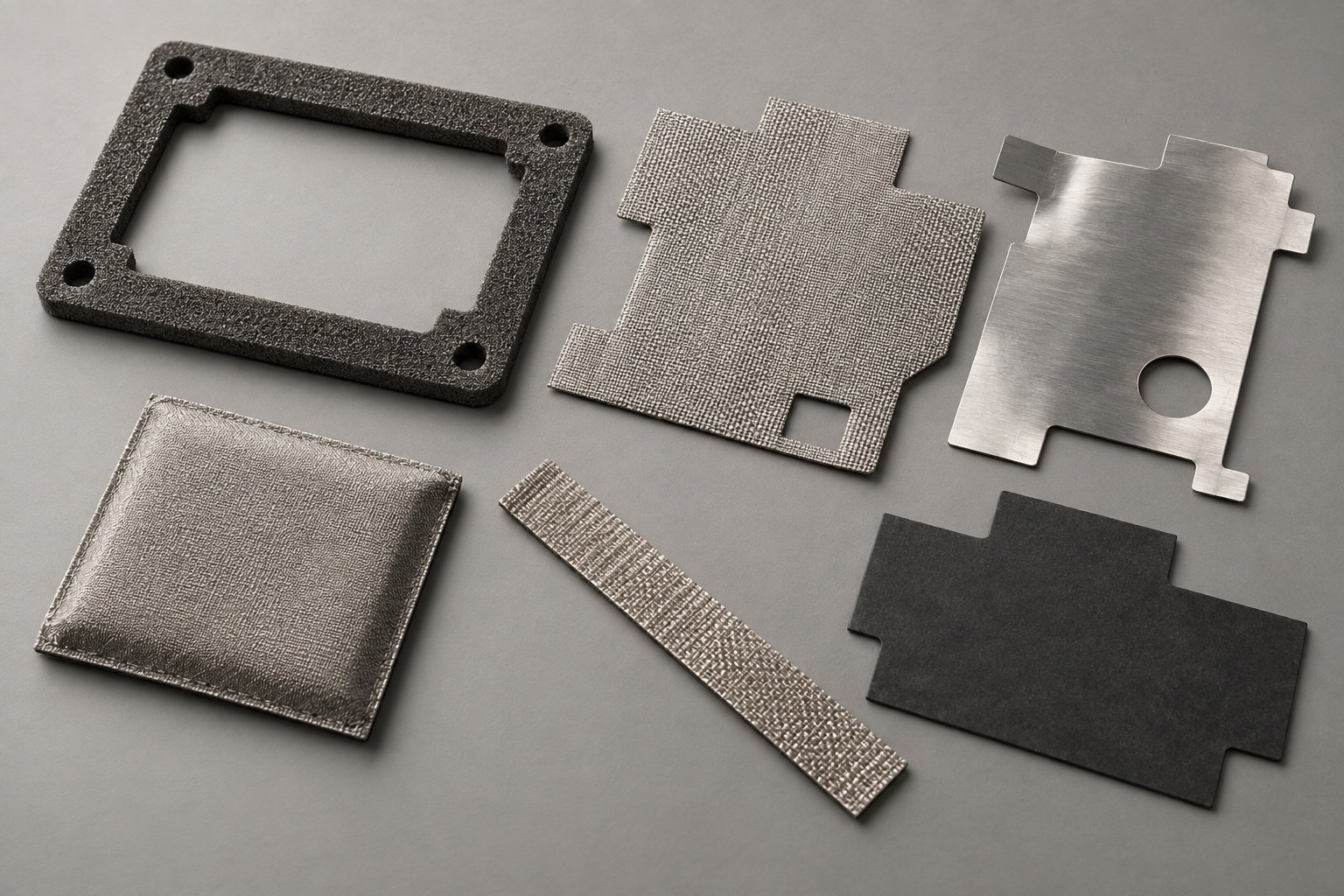
Conductive foil parts
Shaped metal layers for defined interfaces.
Grounding tabs
Extensions positioned for a contact point.
Shielding shapes
Profiles around local areas.
Foil frames
Open-center cut constructions.
Adhesive-backed foil
Foil paired with a reviewed attachment layer.
MATERIAL OPTIONS
Copper or aluminum, specified for the project
Copper foil and aluminum foil are the relevant material families. The selected foil, surface condition, backing and assembly contact determine the construction. Specific alloy, thickness, conductivity and attachment properties must be supplied or confirmed rather than assumed.
- Copper foil
- Aluminum foil
- Optional project-specified adhesive backing
ENGINEERING CONSIDERATIONS
Design factors for Copper & Aluminum Foil Die-Cut Parts
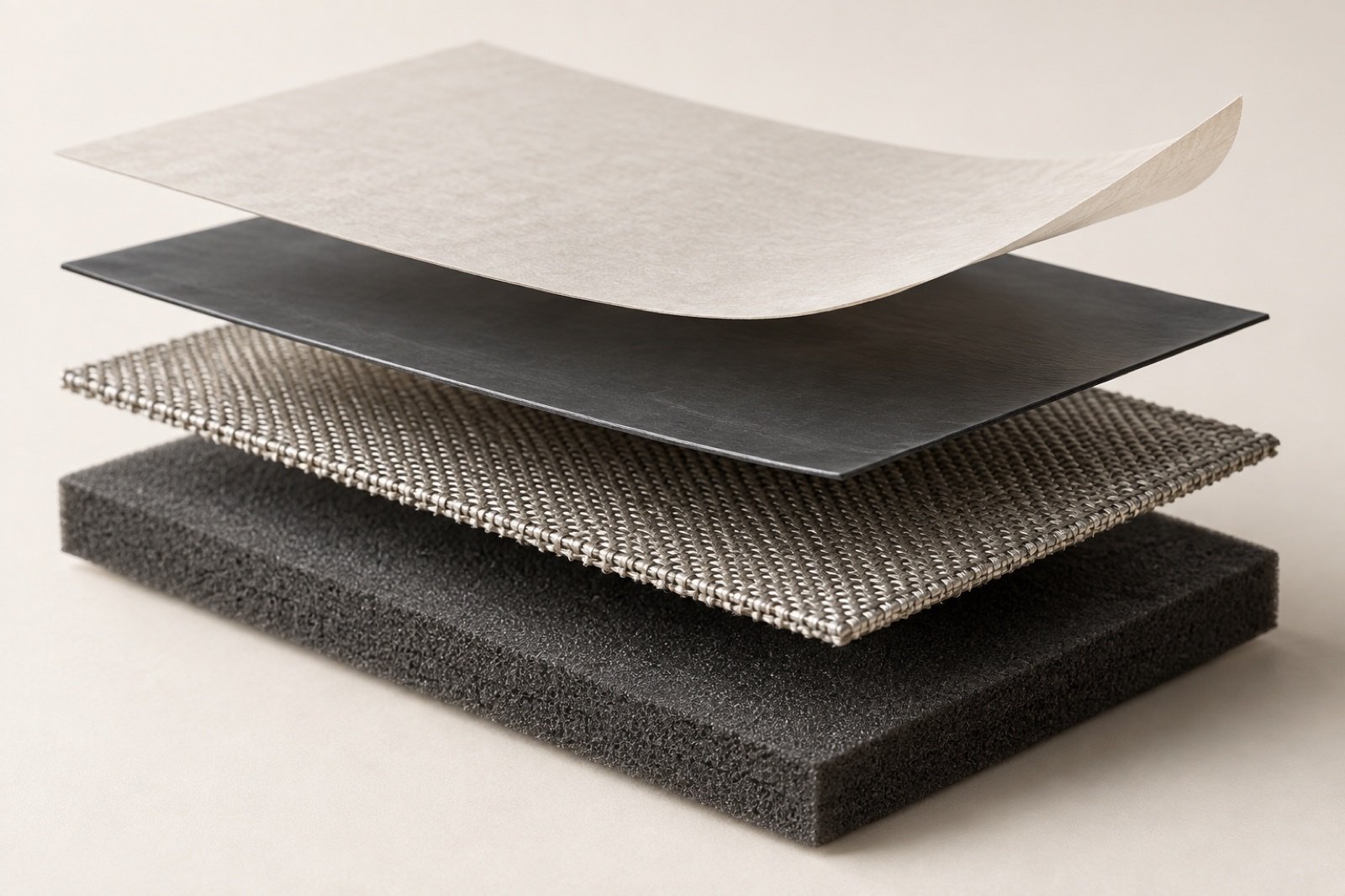
An effective metal profile depends on connection details.
Contact area
Show the intended electrical or mechanical mating surface.
Tabs & cutouts
Dimension narrow features and clearance from adjacent parts.
Backing position
If adhesive is needed, indicate where contact must remain exposed.
MANUFACTURING CAPABILITIES
Manufacturing path for Copper & Aluminum Foil Die-Cut Parts
Cutting and optional bonding follow the foil and contact specification.
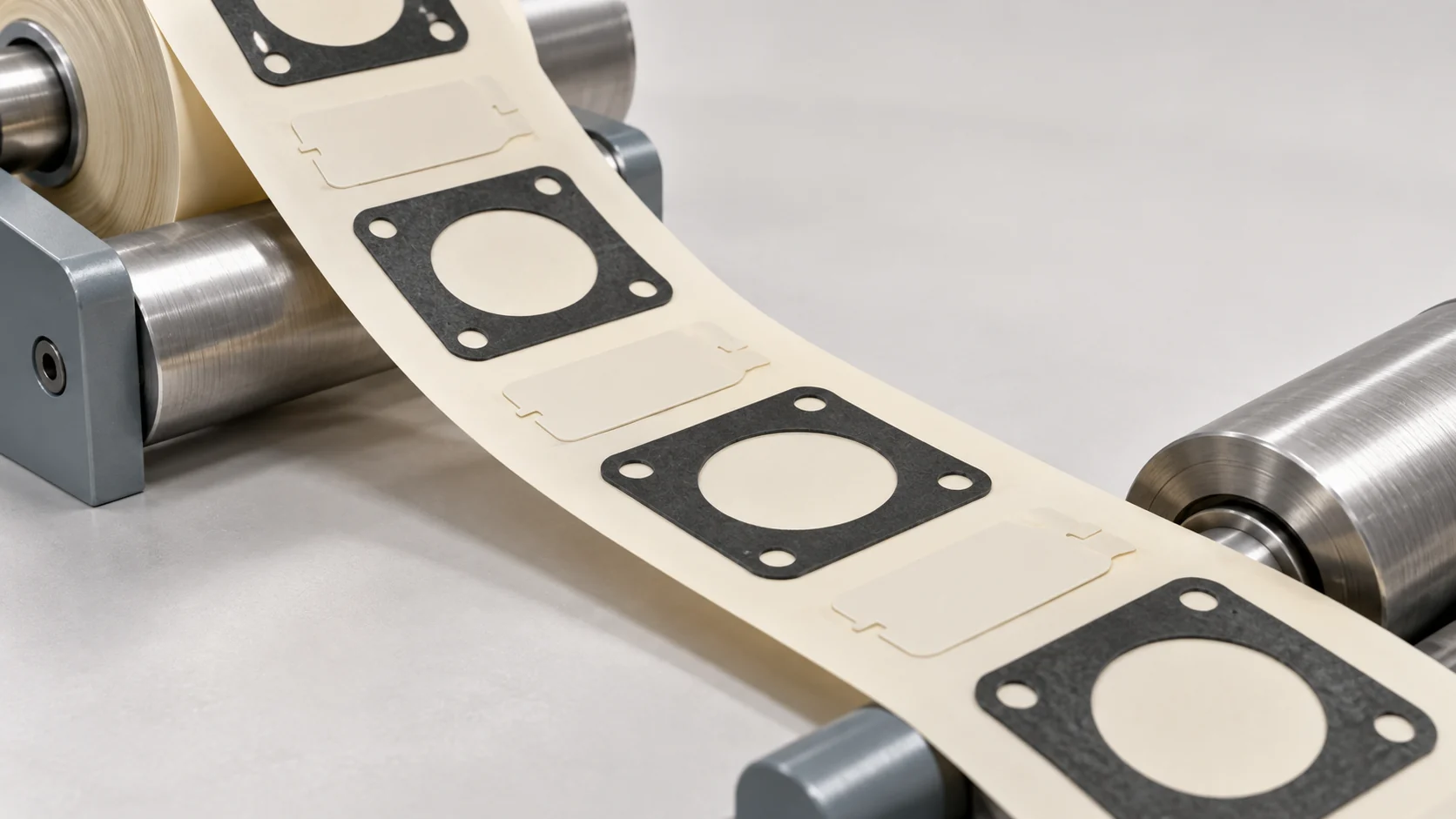
Precision Die Cutting
Profile, openings and critical cut features are reviewed against the material and drawing.
Lamination & Bonding
Adhesive or other specified layers are evaluated as part of the construction.
Quality & Tolerance Control
Material, dimensions and visible construction are checked to agreed project criteria.
APPLICATIONS
Equipment contexts for Copper & Aluminum Foil Die-Cut Parts
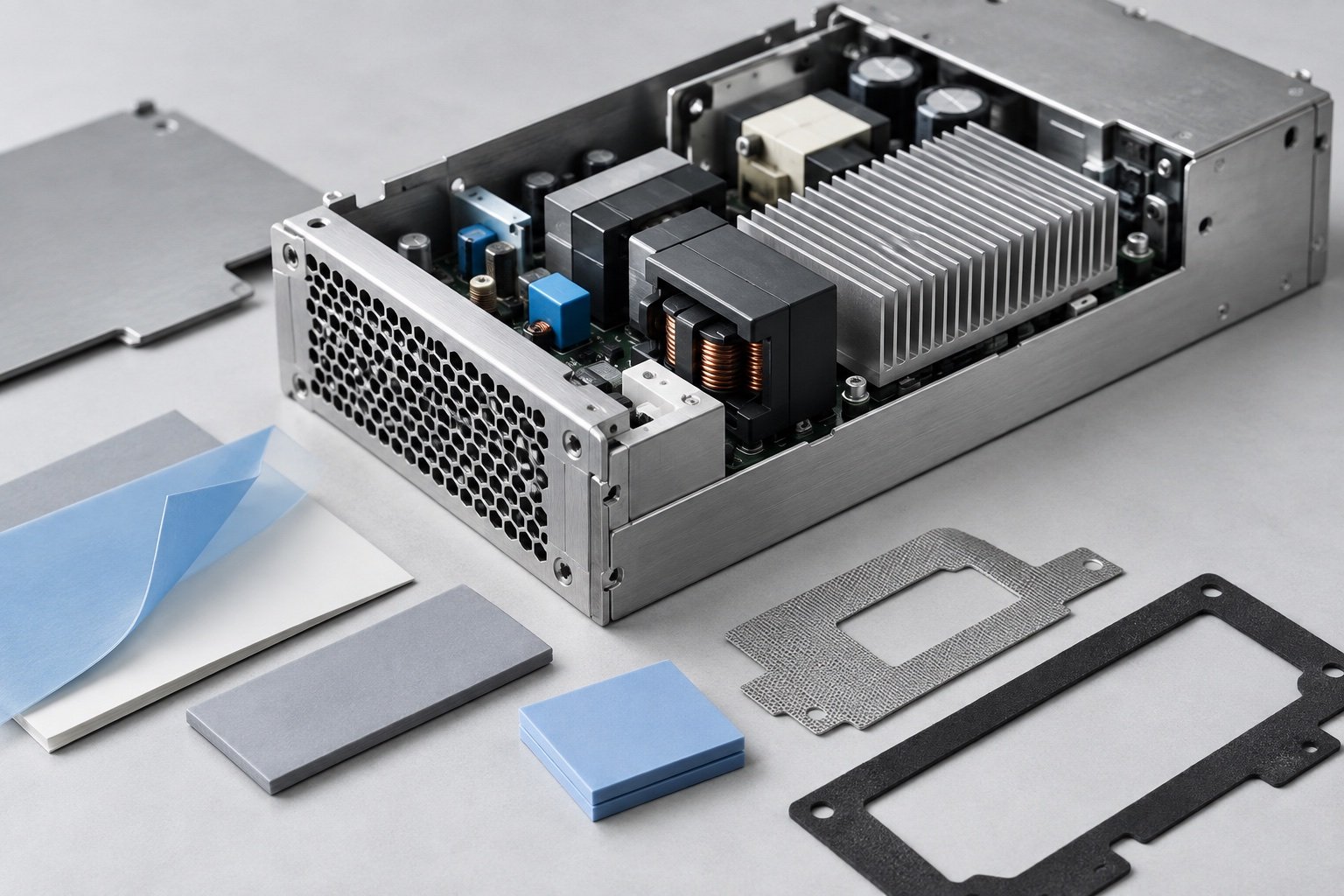
Foil shapes may be relevant to selected electronic and electrical equipment interfaces.
QUALITY / VERIFICATION
Inspect profile and construction
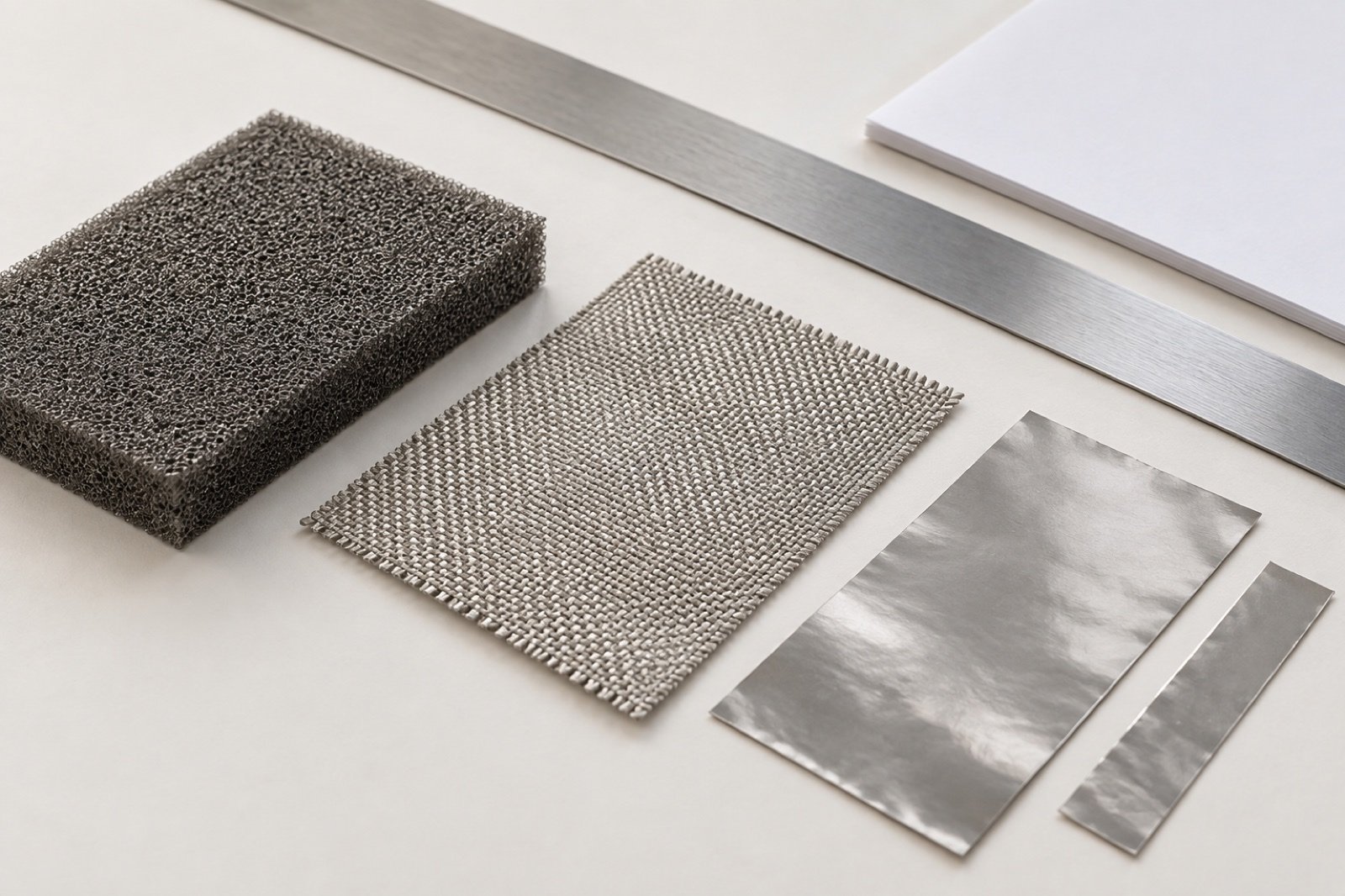
Review the specified foil and the drawing for critical tabs, openings and contact areas. Dimensional and visual checks can verify cut geometry and visible layer arrangement. Conductivity and shielding performance require separate material and application evidence.
- Foil material confirmation
- Tab and contact geometry review
- Dimensional and visual inspection
FAQ
Copper & Aluminum Foil Die-Cut Parts FAQs
Answers about construction, drawings and project requirements.
Can both copper and aluminum foil be die cut?
Both material families can be considered when the project specifies the foil and intended construction.
Can the part include a grounding tab?
A tab can be incorporated in the drawing; its width, position and contact surface should be clearly identified.
Is adhesive backing always appropriate?
No. Backing must be positioned so it does not obstruct a required electrical contact, and suitability depends on the assembly.
Does the foil type alone determine shielding performance?
No. The material specification, contact arrangement and finished assembly all matter; no universal performance value applies.
Can a foil frame include internal openings?
Openings and frames can be reviewed when the geometry is dimensioned and handling needs are clear.
What information is needed for an RFQ?
Provide the foil specification, drawing, contact areas, backing need, assembly conditions and expected quantity.
START A PROJECT
Have a Copper & Aluminum Foil Die-Cut Parts Project?
Send us your drawing, material specification if available, dimensions, quantity and application requirements for review.
Request a Quote