APPLICATION 04 / 06 · ELECTRICAL EQUIPMENT
Functional Components for Electrical Distribution, Motors & Drives
Drawing-defined insulation, thermal, sealing and bonding parts for the interfaces around motors, drives and electrical distribution equipment.
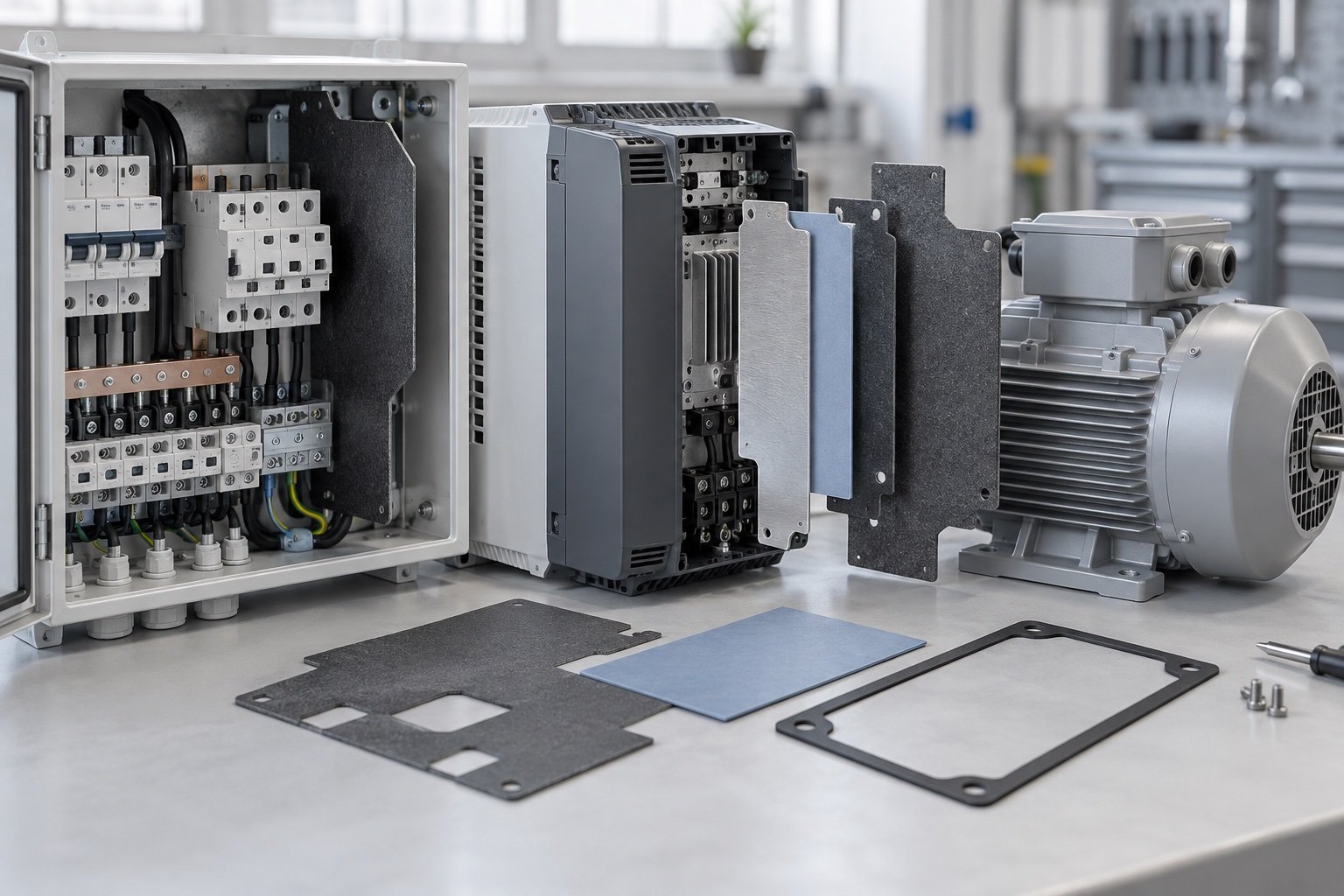
APPLICATION OVERVIEW
Electrical equipment is built from many interfaces.
A motor, variable-frequency drive and distribution enclosure each brings different electrical and thermal constraints. Converted films, thermal sheets and flexible gaskets can serve local interfaces around those assemblies.
The component is specified for a location and function within the equipment. TC does not position itself as a supplier of rotors, stators, windings or complete drives.
FUNCTIONAL REQUIREMENTS
Insulation, heat and enclosure fit.
The critical requirement depends on whether the part sits at an electrical, thermal or enclosure interface.
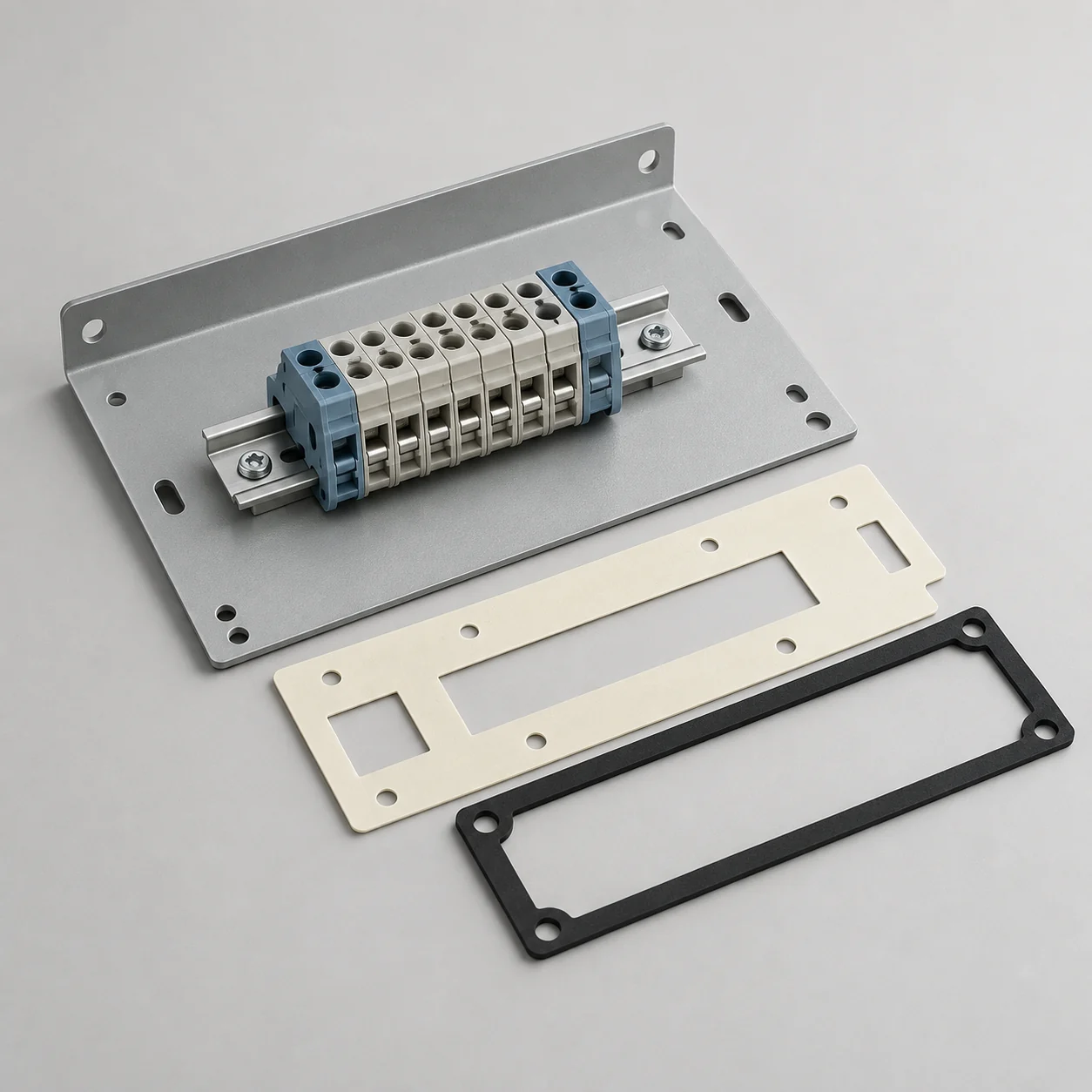
Electrical insulation
A shaped film or sheet barrier can help separate specified conductive regions.
Thermal management
A thermal interface shape can be reviewed around a defined heat-transfer contact point.
Sealing and cushioning
Flexible gaskets or pads can address enclosure edges and local contact surfaces.
Adhesive bonding
Adhesive-backed parts may help locate a functional layer during equipment assembly.
COMPONENT SOLUTIONS
Functional parts around the electrical system.
The converted part complements the equipment design rather than replacing a motor or drive core component.
Electrical Insulation Components
Custom barrier profiles for defined electrical separation points.
Explore component →Thermal Management Components
Thermal interface shapes for specified contact geometry in drive electronics.
Explore component →Sealing & Cushioning Components
Enclosure gaskets and cushioning pads for covers and local interfaces.
Explore component →Adhesive Functional Components
Adhesive forms for positioning insulation or other functional layers.
Explore component →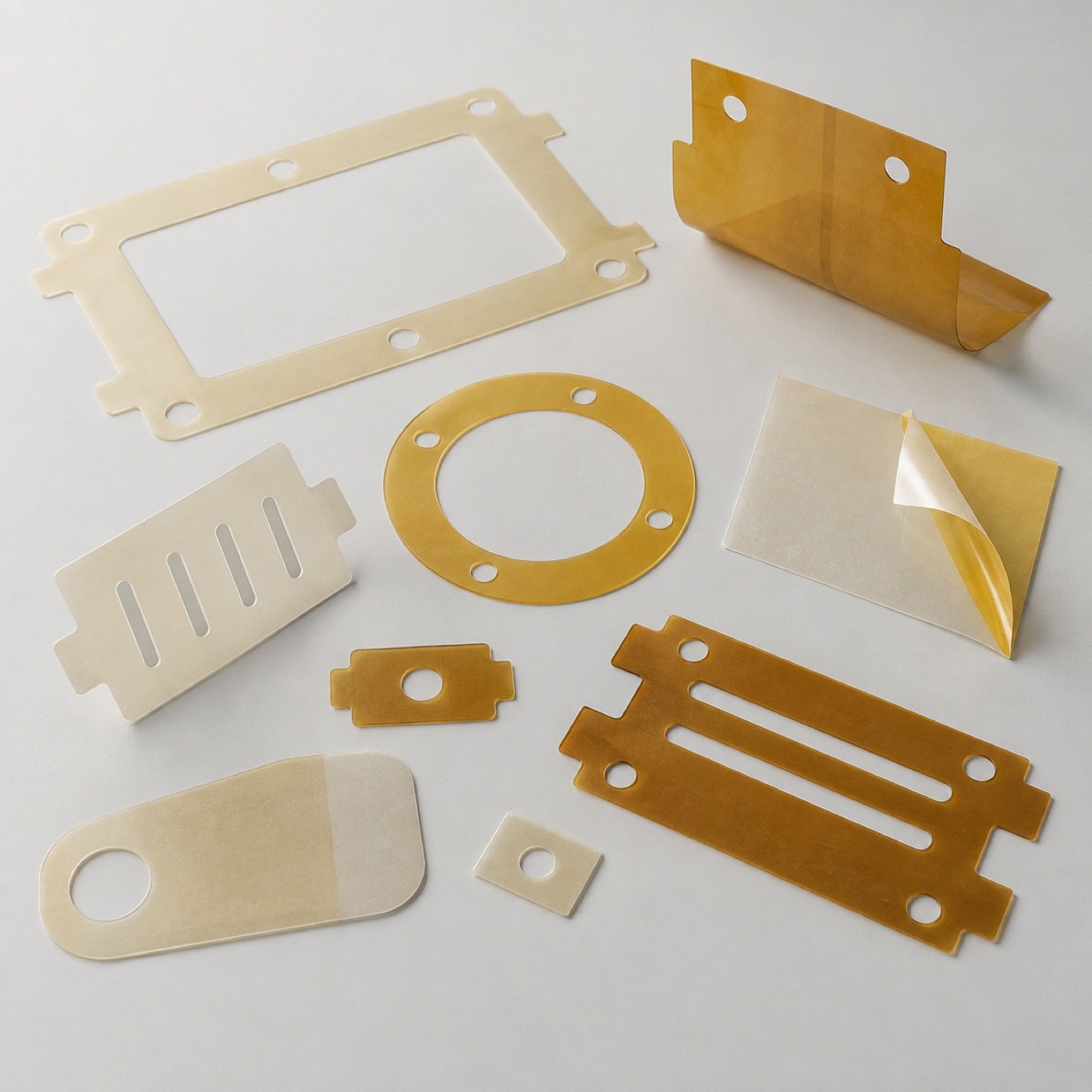
MATERIAL OPTIONS
Different interfaces call for different sheets.
Electrical isolation, thermal contact and enclosure sealing should be reviewed separately.
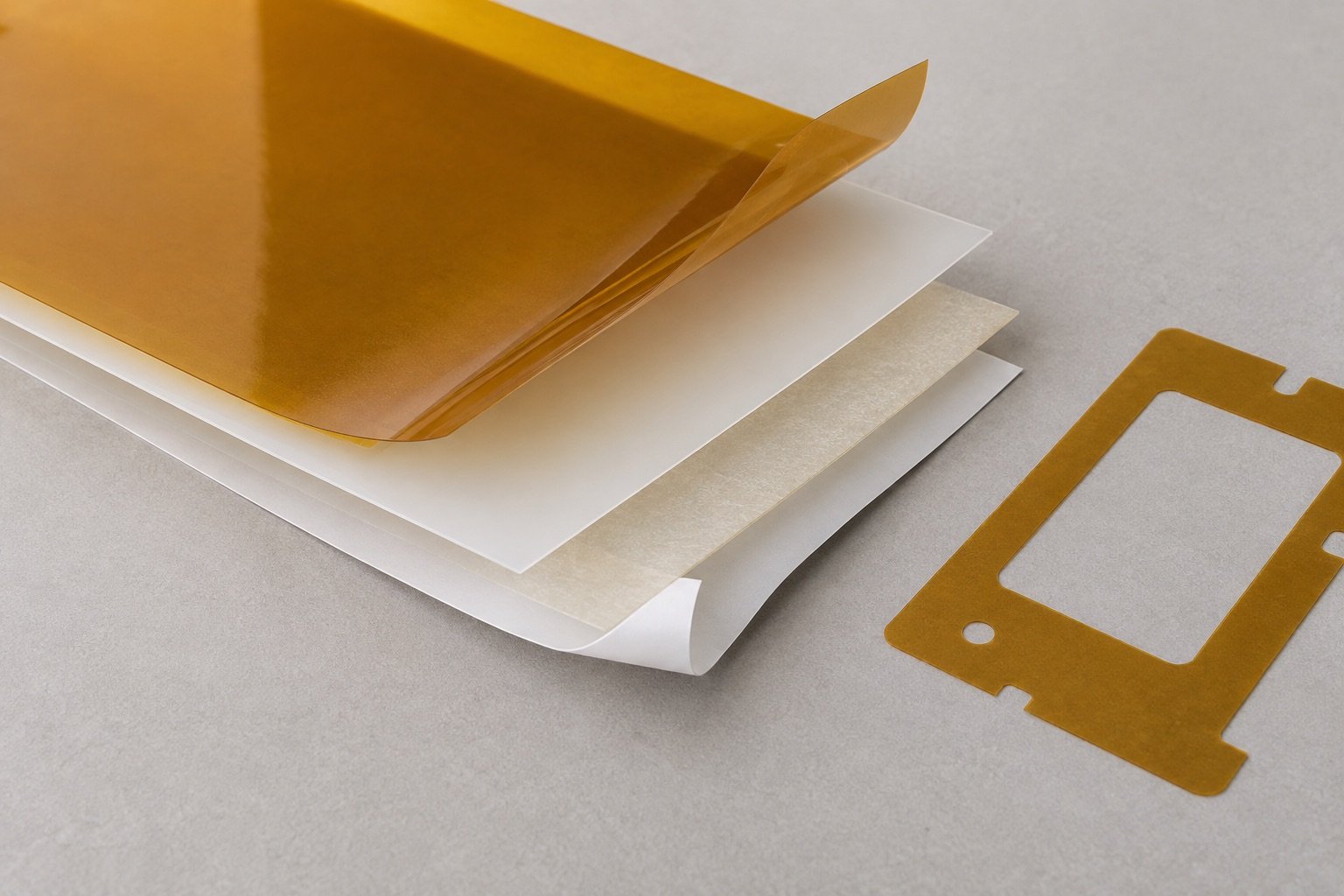
Insulation Materials
Film and sheet materials for insulating barriers and local protection.
Explore material →Thermal Management Materials
Thermal material options for defined drive-electronics contact areas.
Explore material →Foam, Rubber & Silicone Materials
Foam, rubber and silicone sheets for enclosure sealing or cushioning.
Explore material →Adhesive Materials
Adhesive materials considered for assembly positioning and bonding.
Explore material →ENGINEERING CONSIDERATIONS
Locate the electrical and thermal boundary.
Start with the equipment drawing and the function of each contact surface.
Isolation zone
Mark conductors, mounting points and barriers where electrical separation is needed.
Thermal interface
Review contact area, gap and compression in the drive-electronics assembly.
Enclosure geometry
Trace the gasket path, openings and fastener clearance on the housing drawing.
Service environment
Confirm expected temperature and exposure before choosing a material construction.
MANUFACTURING CAPABILITIES
Convert each interface to its profile.
A common process family can serve several distinct parts in one equipment design.
Precision Die Cutting
Cut thin insulation, thermal and flexible gasket sheets to specified profiles.
Explore capability →Lamination & Bonding
Bond or laminate functional layers where the construction calls for it.
Explore capability →Quality & Tolerance Control
Review material identity and drawing-critical dimensions for each part.
Explore capability →QUALITY & VERIFICATION
The drawing defines what to check.
Electrical equipment can use several different die-cut parts. Material and geometry verification are set for each project and its assembly interface.
- Drawing review
- Material confirmation
- Dimensional inspection
- Visual inspection
- Project-specific verification
RELATED PAGES
Continue from the equipment context.
Compare another application, or return to the full application overview.
FAQ
Motors and drives questions, answered.
Practical questions about this equipment application and its functional components.
What die-cut insulation parts can be used around motors or drives?
Film or sheet barriers may be shaped for a specified electrical interface or drive-electronics assembly. The location and geometry come from the equipment drawing.
Can thermal interface materials be die cut for drive electronics?
Yes. A sheet-form thermal interface can be evaluated for a drawing-defined contact area, gap and expected compression.
Can you make a gasket for an electrical enclosure?
Flexible sheet material can be converted into a gasket profile after the enclosure outline, fastener locations and assembled gap are reviewed.
Do these components replace motor core parts?
No. This page concerns converted functional layers and gaskets used at equipment interfaces, not rotors, stators, shafts or windings.
What matters when combining insulation and adhesive backing?
The electrical requirement, substrate, placement method and layer construction should be reviewed together before an adhesive-backed part is specified.
What should I send for a motors or drives quotation?
Provide the part drawing or sample, equipment location, required function, material specification if available and estimated quantity.
START A PROJECT
Have a Motors, Drives or Electrical Equipment Project?
Send us your drawing, functional requirements, material specification if available and estimated quantity for review.
Request a Quote →