APPLICATION 02 / 06 · INDUSTRIAL AUTOMATION
Functional Components for Industrial Automation & Control Systems
Custom die-cut functional layers for the interfaces inside control cabinets and industrial electronic assemblies.
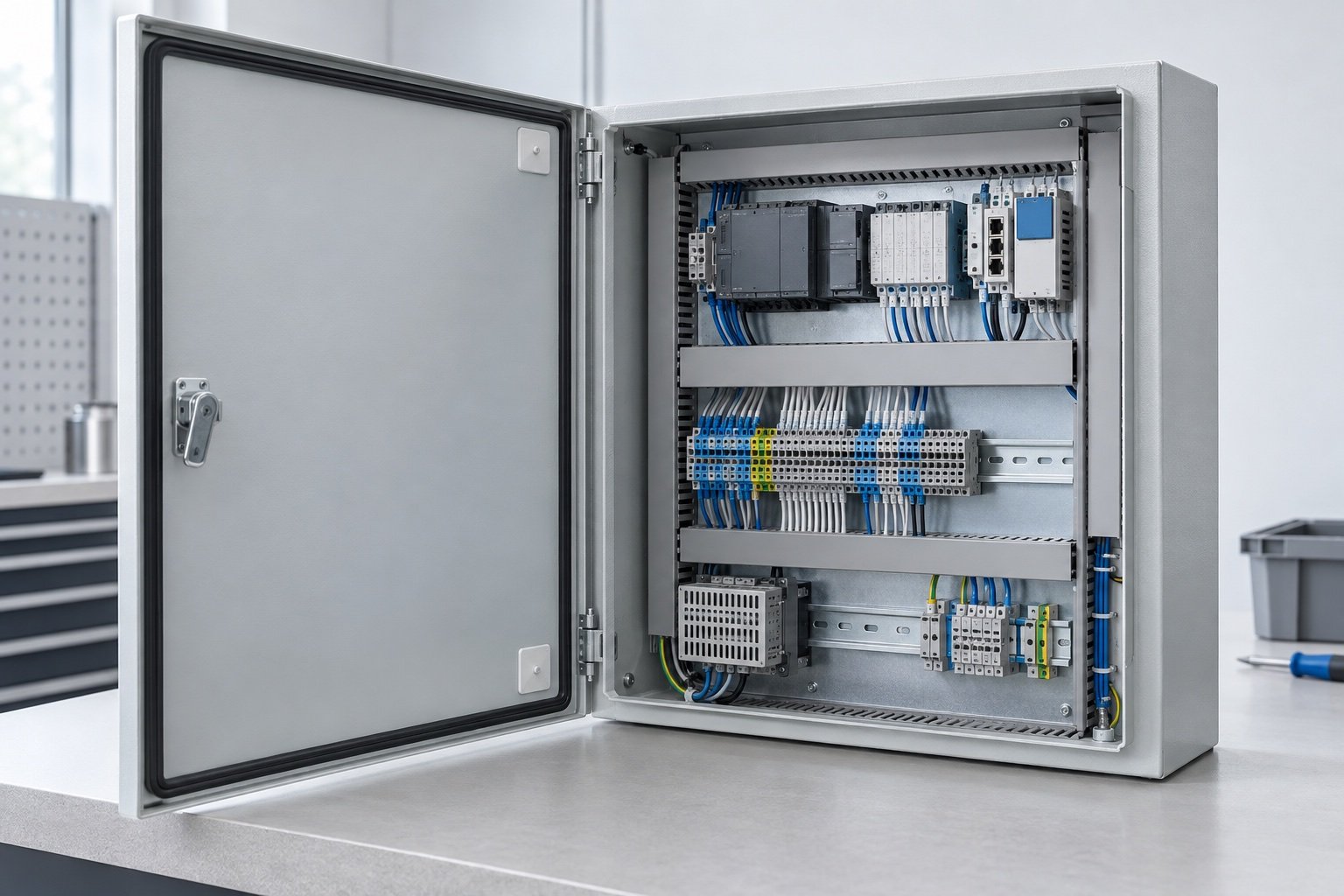
APPLICATION OVERVIEW
Protect the control assembly, not just the enclosure.
Industrial control equipment brings electronics, wiring and enclosure interfaces together in an environment where a small part can perform an important local function. A gasket may follow a panel perimeter while a film barrier separates electrical contacts inside.
TC's role is to convert specified material into a functional part that fits the control assembly. The page addresses insulation, sealing, bonding and shielding—not controllers, sensors or other complete automation products.
FUNCTIONAL REQUIREMENTS
Functional needs inside control equipment.
The required function changes with the location: a panel edge, mounting point or electronic interface.
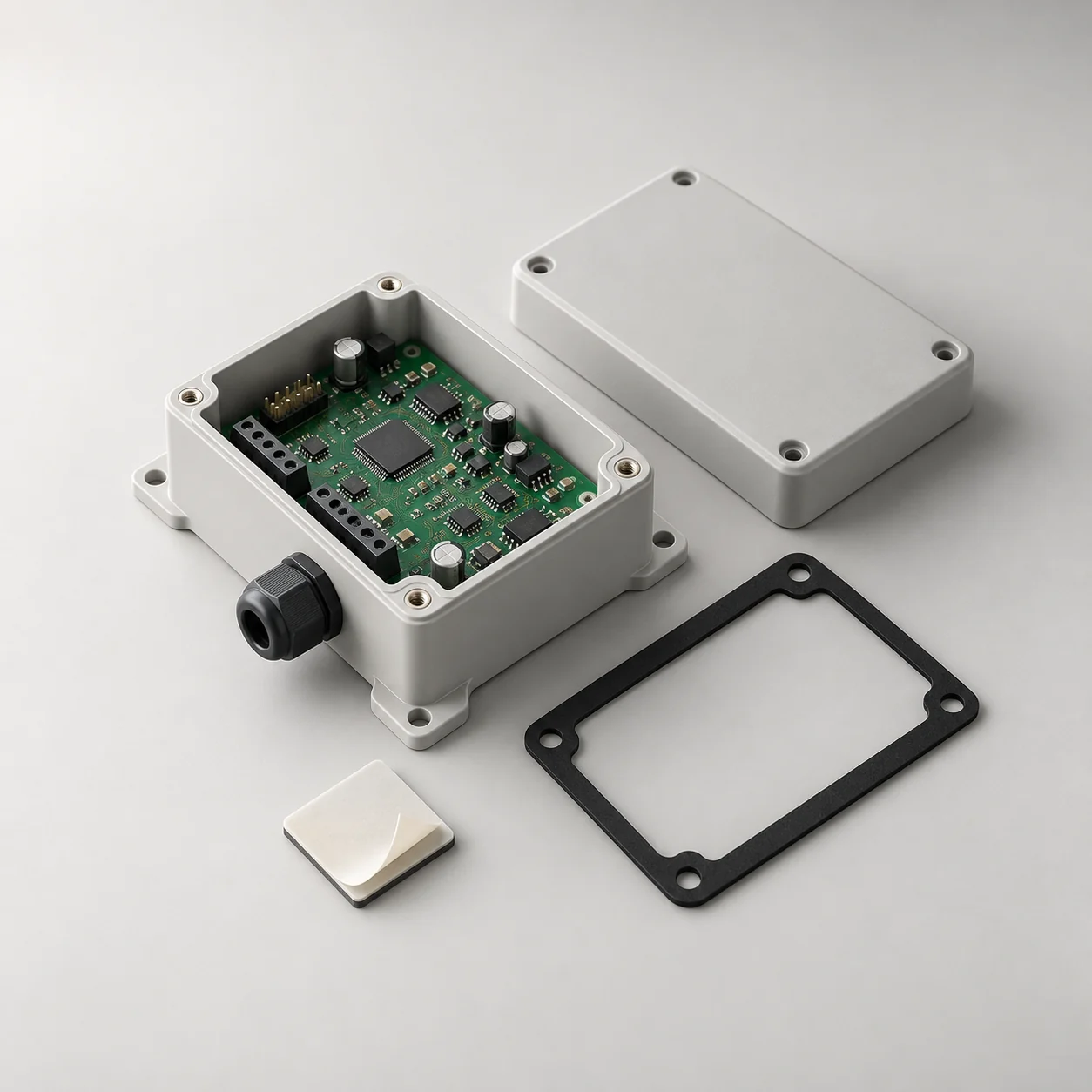
Electrical insulation
Die-cut barriers can be shaped around mounting points and conductive areas in a control assembly.
Sealing and cushioning
Compliant gaskets and pads can address enclosure edges, contact pressure and local protection.
Adhesive bonding
Adhesive-backed forms can position a gasket, film or functional layer during assembly.
EMI shielding
Shielding materials can be considered at an interface where the design calls for conductive contact.
COMPONENT SOLUTIONS
Converted parts for control assemblies.
These families describe the custom part within the equipment, not the automation device itself.
Electrical Insulation Components
Profiled insulation films for electrical separation around compact control layouts.
Explore component →Sealing & Cushioning Components
Perimeter gaskets and cushioning pads for covers, panels and local interfaces.
Explore component →Adhesive Functional Components
Adhesive shapes for locating a functional layer or supporting assembly.
Explore component →EMI Shielding & Magnetic Shielding Components
Conductive shielding forms evaluated for the specified enclosure contact.
Explore component →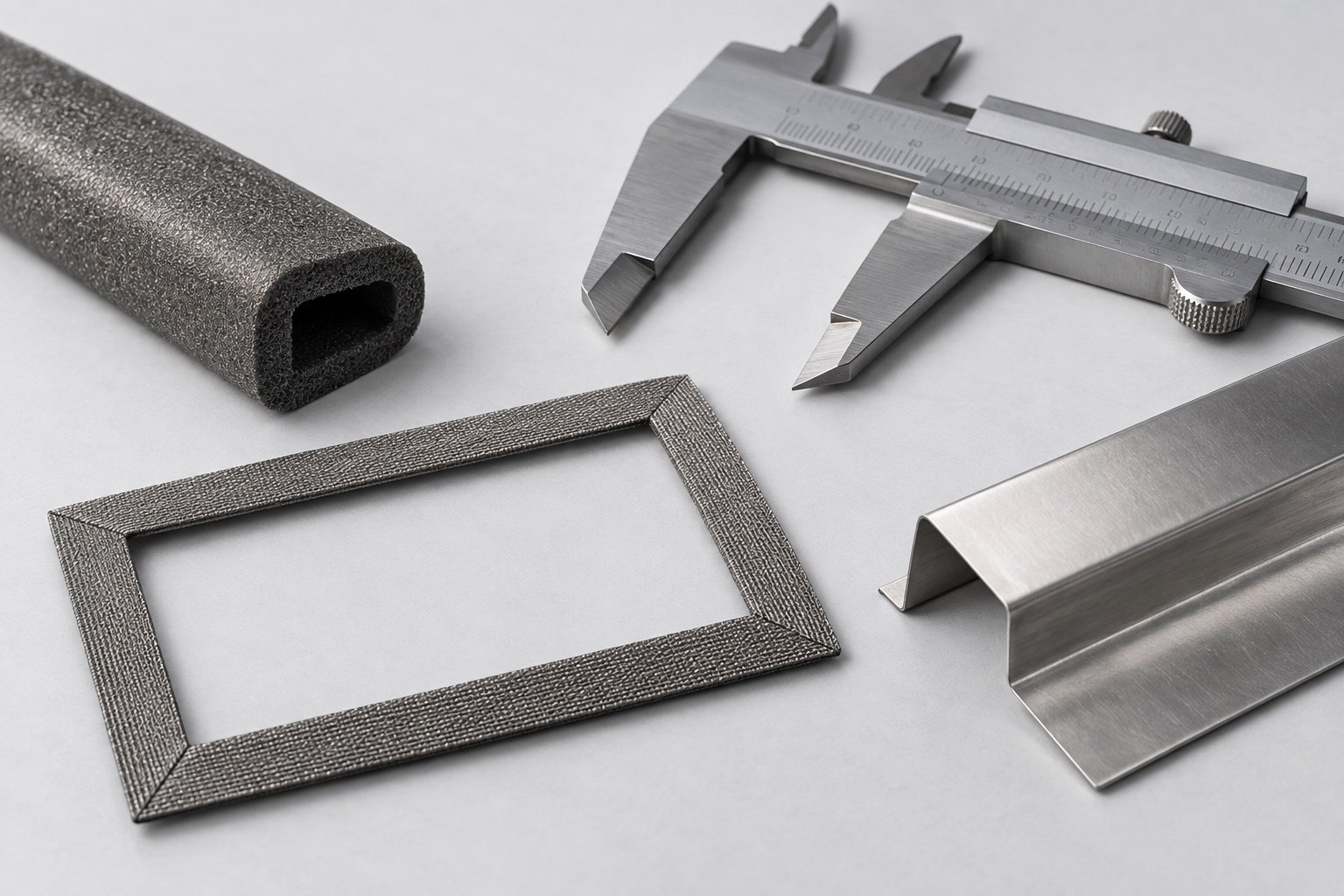
MATERIAL OPTIONS
Match the sheet to the control environment.
The material family follows the required function, enclosure conditions and contact surfaces.
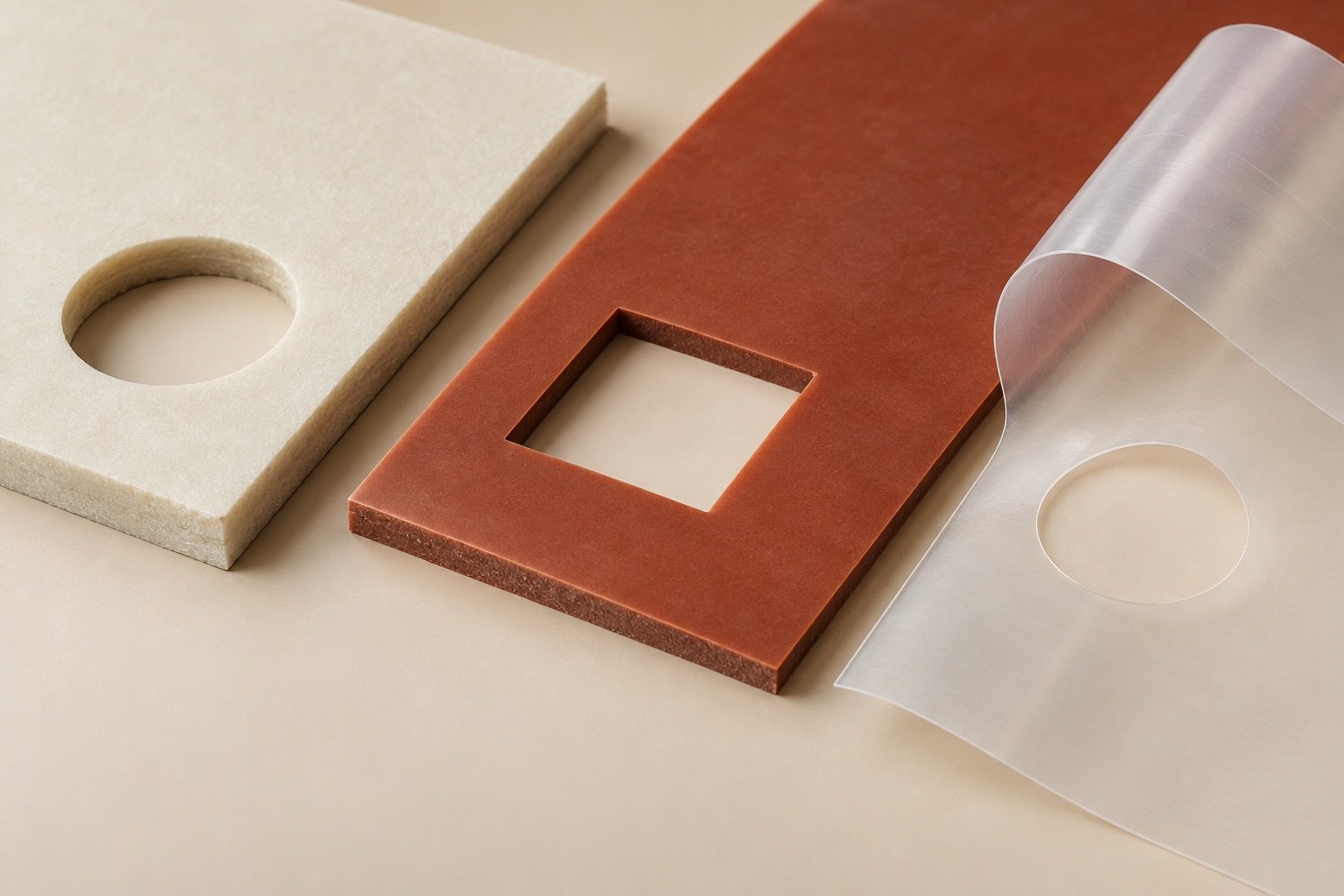
Insulation Materials
Film and sheet options for localized electrical barriers.
Explore material →Foam, Rubber & Silicone Materials
Foam, rubber and silicone forms for sealing and cushioning interfaces.
Explore material →Adhesive Materials
Adhesive constructions for part placement and bonding.
Explore material →Conductive & Shielding Materials
Shielding materials considered where an electrical contact path is defined.
Explore material →ENGINEERING CONSIDERATIONS
Review the enclosure and electronics together.
Geometry, interface and environment guide the component specification.
Panel perimeter
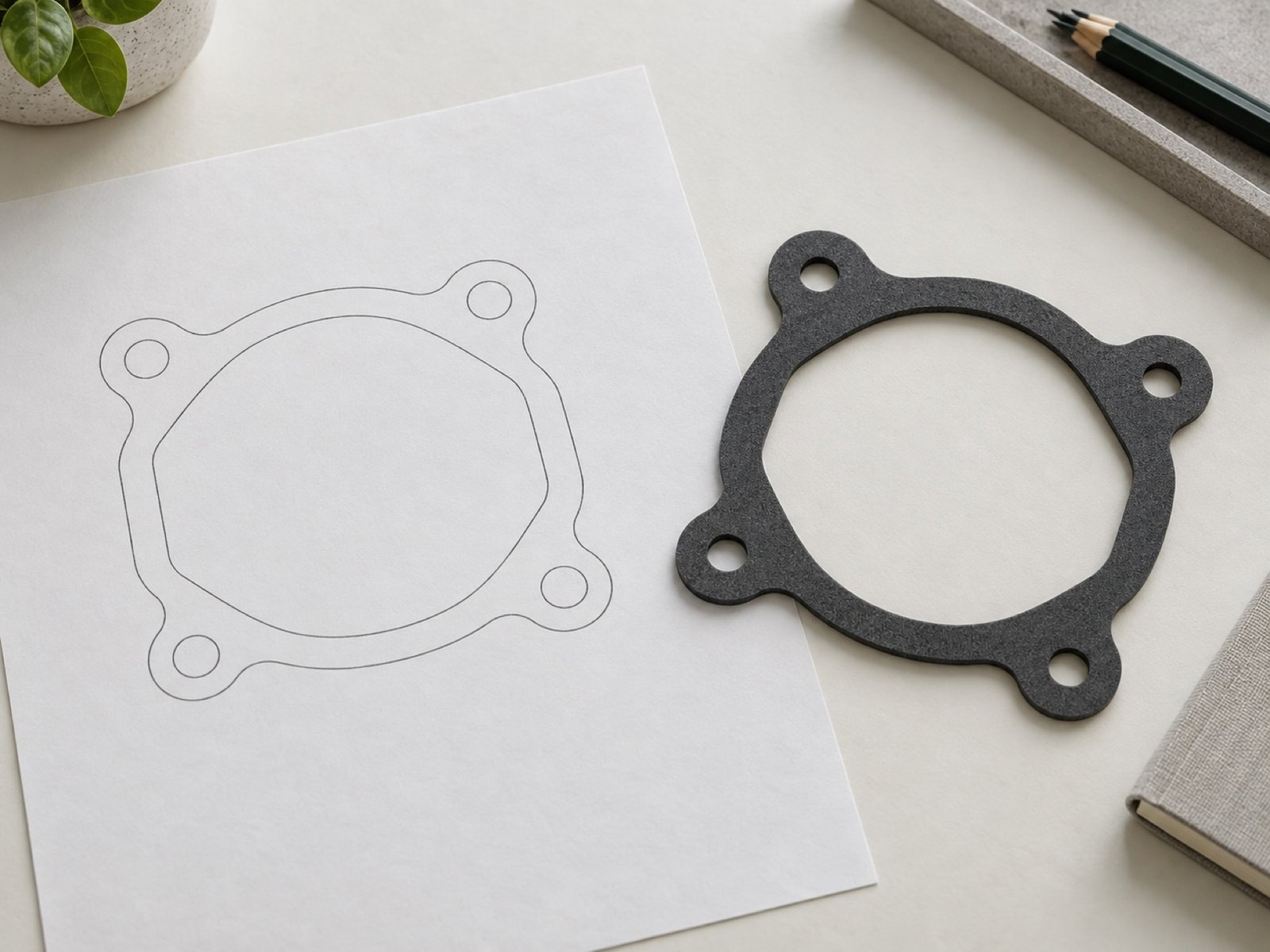
Trace the sealing path, fastener openings and compression region on the enclosure drawing.
Electrical spacing
Locate the insulating barrier around conductors and mounting features.
Shielding contact
Distinguish intended conductive contact from areas that must remain insulated.
Mounting method
Confirm the substrate and placement requirement before selecting an adhesive-backed construction.
MANUFACTURING CAPABILITIES
A route from sheet to fitted part.
Cut geometry and layer construction are determined by the customer's assembly design.
Precision Die Cutting
Convert films, flexible sheets and gasket materials to drawing-defined outlines.
Explore capability →Lamination & Bonding
Add adhesive or combine layers where the application requires a bonded construction.
Explore capability →Quality & Tolerance Control
Check the material and critical geometry against project requirements.
Explore capability →QUALITY & VERIFICATION
Check the features that control fit.
For a control-equipment part, the review starts with the drawing and the intended enclosure or electronics interface. Verification remains project-specific.
- Drawing review
- Material confirmation
- Dimensional inspection
- Visual inspection
- Project-specific verification
RELATED PAGES
Continue from the equipment context.
Compare another application, or return to the full application overview.
FAQ
Industrial control questions, answered.
Practical questions about this equipment application and its functional components.
What die-cut parts are used inside industrial control equipment?
Depending on the assembly, control equipment may use insulation films, enclosure gaskets, cushioning pads, adhesive-backed parts or shielding forms.
Can a custom gasket follow the outline of a control panel?
A gasket profile can be reviewed against the panel drawing, fastener locations, sealing path and expected compression.
How can insulation be placed around dense electronics?
Die-cut sheet or film barriers can include cutouts and openings defined by the assembly drawing and electrical spacing requirement.
When should a conductive shielding material be considered?
Use the electrical design to identify the desired contact path, interface geometry and areas that must remain isolated before selecting a shielding construction.
Can an enclosure gasket have adhesive backing?
An adhesive-backed construction can be evaluated if it helps position the gasket and suits the substrate and assembly conditions.
What information helps quote a control-system part?
Provide the drawing or sample, equipment location, functional need, material specification if available and estimated quantity.
START A PROJECT
Have an Industrial Control Component Project?
Send us your drawing, functional requirements, material specification if available and estimated quantity for review.
Request a Quote →